

Working Principle and Characteristics of Petroleum Coke Pneumatic Conveying
Understanding the working principle and characteristics of petroleum coke pneumatic conveying is crucial for optimizing material handling processes in industrial applications. This article provides a detailed overview of the technology, focusing on how it operates and its key attributes.
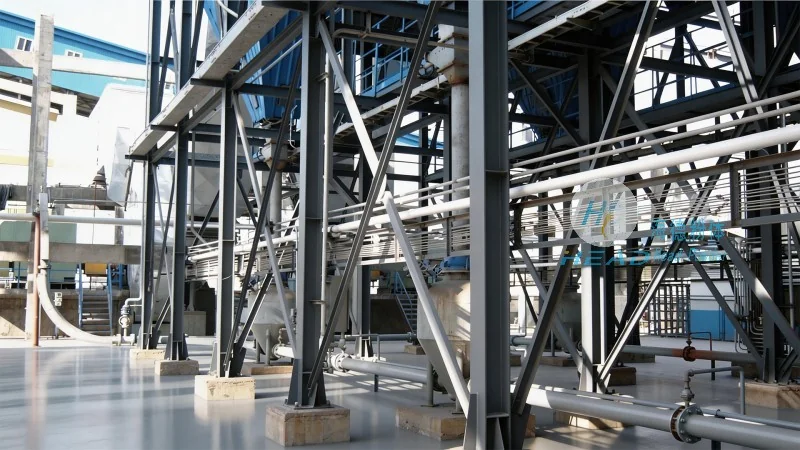
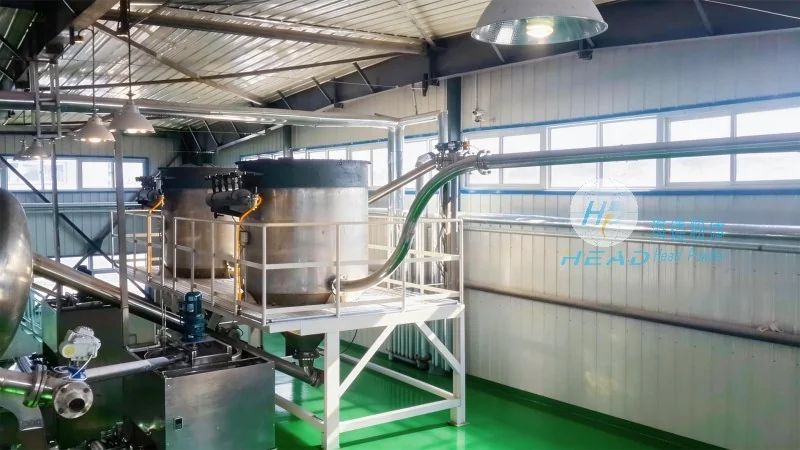
Working Principle of Petroleum Coke Pneumatic Conveying
Petroleum coke pneumatic conveying utilizes air or other gases to transport solid materials, such as petroleum coke, through a pipeline system. The process typically involves a combination of positive and negative pressure or vacuum to move the material from the source to the destination. The system generally consists of a hopper, a feeder, a conveying line, and a receiver. The material is first loaded into the hopper, where it is then fed into the conveying line via a feeder. The air or gas is introduced into the line, creating a flow that carries the material particles along. The velocity of the gas is critical, as it must be sufficient to overcome the gravitational force and frictional resistance of the material particles. The conveying line may include bends, expansions, and contractions, which are designed to minimize pressure loss and ensure efficient material transport. The receiver at the end of the line collects the material, and the air is typically filtered and recycled back into the system to maintain efficiency and reduce environmental impact.
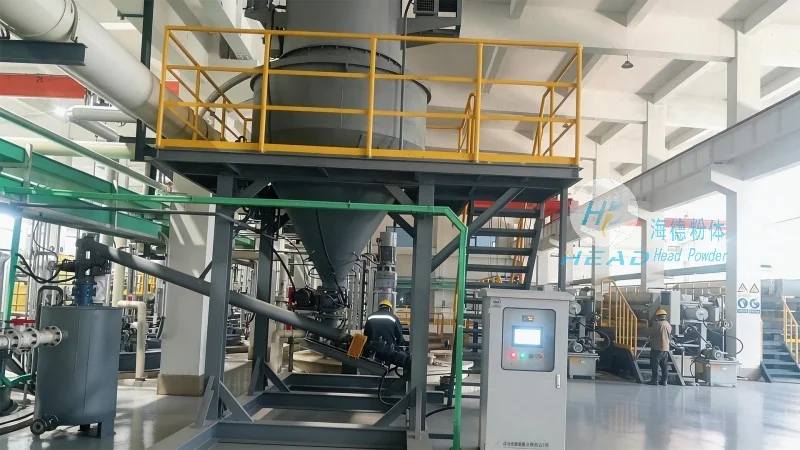
Key Characteristics of Petroleum Coke Pneumatic Conveying
The pneumatic conveying of petroleum coke offers several advantages that make it a preferred method in many industrial settings. One of the primary characteristics is its ability to handle fine or abrasive materials like petroleum coke without causing excessive wear on equipment. The system can operate in both positive and negative pressure modes, providing flexibility in different application scenarios. Another key characteristic is the enclosed nature of the conveying process, which helps to minimize dust emissions and improve safety in the workplace. Additionally, the technology allows for a relatively compact system layout, as the material is transported through a pipeline rather than via bulk handling equipment. The system also offers good control over material flow, enabling precise dosing and regulation of the conveying rate. However, it is important to note that the efficiency of the system depends on factors such as the particle size distribution, moisture content, and the type of gas used, which can affect the overall performance and energy consumption.
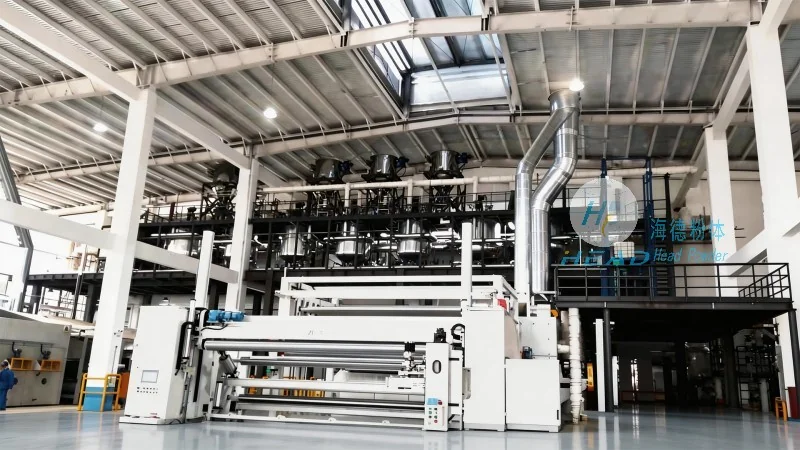
About Shandong HeadPowder Engineering Co., Ltd.
Shandong HeadPowder Engineering Co., Ltd., a leading provider of material handling solutions, specializes in the design, manufacturing, and installation of pneumatic conveying systems for various industrial applications. With a focus on innovation and customer satisfaction, the company has established itself as a trusted partner in the industry. The company's expertise in petroleum coke handling has enabled it to develop advanced systems that meet the specific needs of clients, ensuring reliable and efficient material transport. HeadPowder's commitment to quality and technical excellence is reflected in its products and services, which are tailored to enhance operational efficiency and reduce costs for its clients. The company's headquarters is located in Shandong, China, where it continues to expand its capabilities and serve the global market.