

Working Principle and Characteristics of Polyolefin Pneumatic Conveying
Polyolefin pneumatic conveying is a critical technology in the handling and transportation of polyolefin materials, which are widely used in various industrial applications such as plastics manufacturing, chemical processing, and material handling. This method involves the use of air or other gases to transport polyolefin powders or granules through a pipeline system. Understanding the working principle and key characteristics of this technology is essential for optimizing material handling processes and ensuring efficient operation in industrial settings.
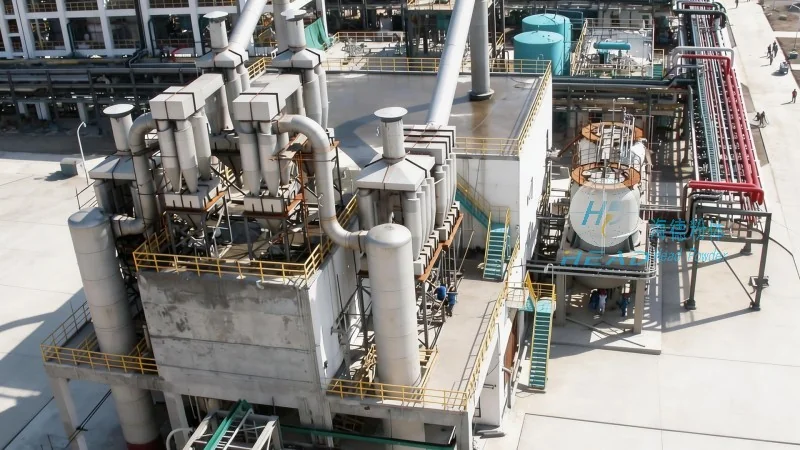
Working Principle of Polyolefin Pneumatic Conveying
The core of polyolefin pneumatic conveying lies in the use of air flow to move polyolefin particles. The process typically involves several key components: a material feed hopper, a conveyor line (usually a pipeline), a fan or blower to generate airflow, and a discharge point where the material is deposited. The working principle can be broken down into the following steps:
First, the polyolefin material is fed into the hopper. The material then falls into the conveyor line, where it is entrained by the high-velocity air flow generated by the fan. The air flow carries the polyolefin particles along the pipeline, transporting them from the source to the destination. At the discharge point, the air flow slows down, allowing the polyolefin particles to settle out due to gravity. The air is then typically filtered and recycled back into the system to maintain efficiency and reduce energy consumption.
Key Characteristics of Polyolefin Pneumatic Conveying
Polyolefin pneumatic conveying systems exhibit several notable characteristics that make them suitable for handling polyolefin materials. These characteristics include:
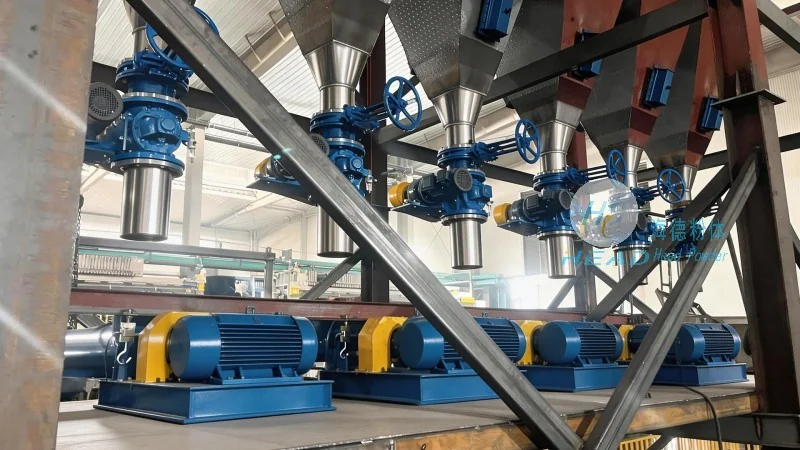
1. **Efficiency and Speed**: The system allows for rapid and continuous transportation of polyolefin materials, reducing handling time and increasing production throughput. The high-velocity air flow ensures that the material is moved quickly and reliably.
2. **Versatility in Material Handling**: Polyolefin pneumatic conveying can handle a wide range of polyolefin particle sizes and shapes, from fine powders to larger granules. This versatility makes it suitable for various applications, including the transportation of polyethylene, polypropylene, and other polyolefin-based products.
3. **Reduced Downtime and Maintenance**: Compared to traditional mechanical conveying systems, pneumatic conveying systems often require less maintenance and have lower downtime. The absence of moving parts in the conveying line reduces the risk of mechanical failure and simplifies maintenance procedures.
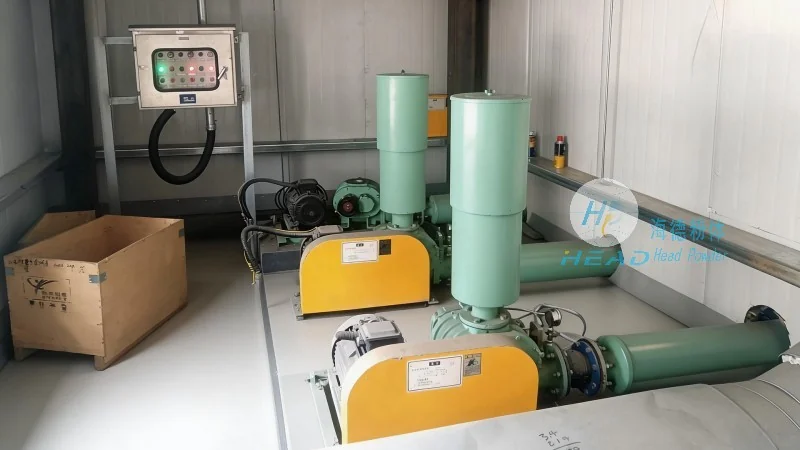
4. **Energy Efficiency**: Modern polyolefin pneumatic conveying systems are designed to be energy-efficient. The use of high-efficiency fans and the recycling of air help to minimize energy consumption while maintaining optimal performance.
5. **Cleanliness and Hygiene**: The enclosed pipeline system prevents dust and contamination, ensuring that the polyolefin material remains clean and free from external pollutants. This is particularly important for applications where material purity is critical, such as in food processing or pharmaceutical industries.
Applications and Industrial Relevance
Polyolefin pneumatic conveying is widely used in industries that rely on the handling of polyolefin materials. Some common applications include:
1. **Plastics Manufacturing**: In the production of polyethylene and polypropylene, pneumatic conveying is used to transport raw materials from storage silos to processing equipment, ensuring a continuous supply of material.
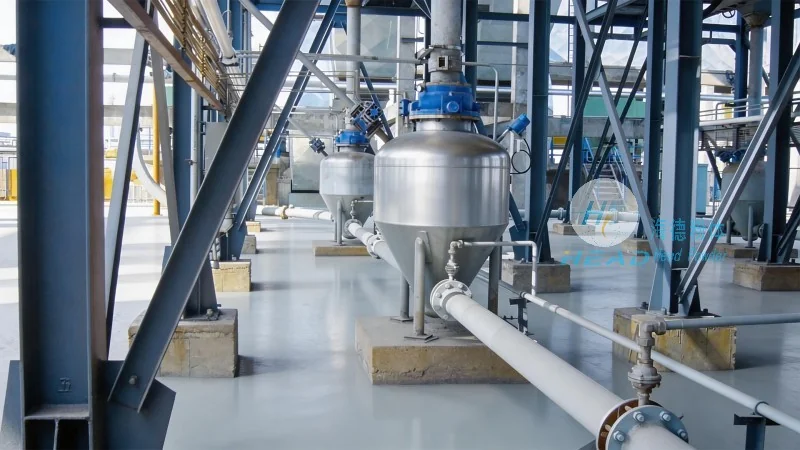
2. **Chemical Processing**: The technology is used to transport polyolefin powders and granules in chemical plants, where precise control over material flow is essential for maintaining product quality and safety.
3. **Material Handling in Manufacturing Facilities**: Industrial facilities that handle polyolefin-based products often use pneumatic conveying systems to move materials between different processing stages, such as from mixing to molding.
Conclusion
Polyolefin pneumatic conveying is a sophisticated and efficient method for handling polyolefin materials. Its working principle, based on air flow and particle entrainment, combined with its key characteristics such as efficiency, versatility, and cleanliness, makes it a preferred choice in many industrial applications. Companies like Shandong HeadPowder Engineering Co., Ltd. (headpowder) specialize in designing and implementing such systems, providing tailored solutions to meet the specific needs of their clients in the polyolefin industry.