

[WOKING PRINCIPLE AND CHARACTERISTICS OF STRAW POWDER PNEUMATIC CONVEYING]
Straw powder pneumatic conveying is a critical technology in the agricultural and biomass processing industries, enabling the efficient transport of straw-derived powders from production sites to processing or storage facilities. This method utilizes compressed air to move solid particles through a pipeline system, offering advantages over traditional mechanical conveying methods.
Working Principle of Pneumatic Conveying for Straw Powder
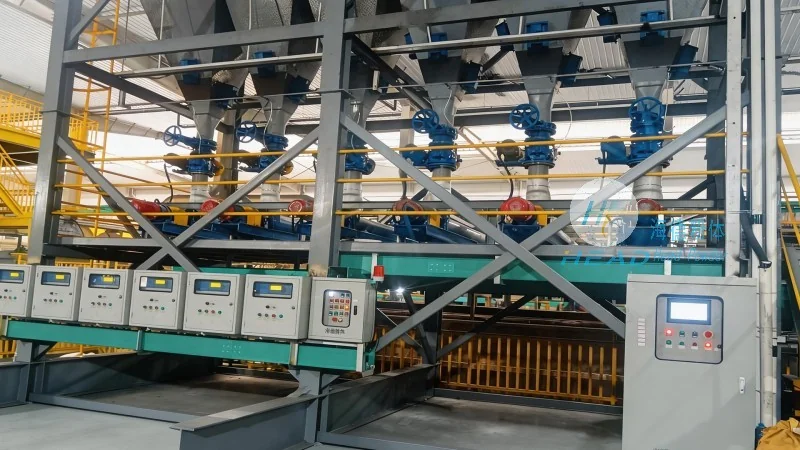
The core working principle of straw powder pneumatic conveying involves the use of a gas stream, typically compressed air, to transport particulate materials. There are two primary modes of operation: suction and pressure systems. In suction systems, a vacuum is created at the material inlet to draw the straw powder into the conveying line. This mode is suitable for short to medium distances and is often used for collecting material from multiple sources. Pressure systems, on the other hand, use compressed air to push the material through the pipeline from a storage silo or hopper. These systems are ideal for longer distances and continuous operation.
Key components of a pneumatic conveying system for straw powder include the material hopper or silo, a rotary valve or feeder to control the flow rate, the conveying pipeline, a venturi or air nozzle to accelerate the material-air mixture, a separation and collection unit (such as a cyclone or bag filter), and a dust collection system. The process begins when the feeder releases the straw powder into the pipeline, where it is entrained by the high-velocity air stream. The mixture travels through the pipeline to the destination, where the air is separated from the powder in the collection unit. The separated air is then filtered to remove residual dust before being released or recirculated.
Key Characteristics of Straw Powder Pneumatic Conveying Systems
Straw powder pneumatic conveying systems exhibit several distinct characteristics that make them suitable for handling fine, dry materials like straw powder. One of the most notable features is the ability to transport materials over long distances with minimal loss and degradation. The air stream maintains the material in suspension, preventing clumping or agglomeration that can occur with mechanical conveyors. This results in higher material recovery rates and reduced product quality issues.
Another significant characteristic is the system's flexibility in terms of layout and integration. Pneumatic conveying can be configured in various pipeline arrangements, including straight lines, loops, or complex networks, to accommodate different facility layouts. This adaptability allows for efficient material movement even in challenging or space-constrained environments. Additionally, the system is relatively low in maintenance compared to mechanical conveyors, as there are fewer moving parts exposed to wear and tear from the abrasive straw powder.
Environmental considerations are also a key characteristic of pneumatic conveying systems. By using enclosed pipelines and efficient dust collection, these systems minimize dust emissions and improve workplace air quality. This is particularly important in agricultural processing facilities where fine powders can pose respiratory hazards. The closed system design also helps prevent material contamination from external sources, ensuring the purity of the straw powder for downstream applications.
Application Scenarios and Advantages
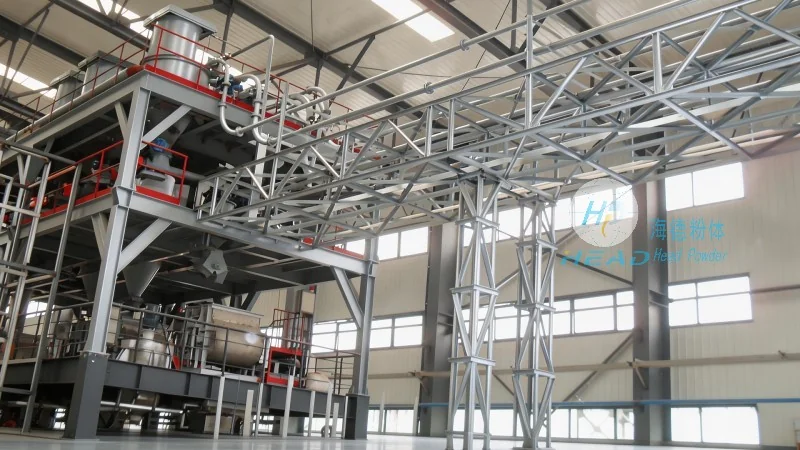
Straw powder pneumatic conveying is widely applied in various sectors of the biomass industry. In the production of biofuels, such as bioethanol or biogas, the system efficiently transports straw powder from storage silos to processing reactors. This ensures a consistent feedstock supply, which is critical for maintaining production efficiency. In the manufacturing of animal feed, pneumatic conveying is used to move straw-derived powders to mixing and packaging lines, enabling high-speed production and reduced labor costs.
Another common application is in the production of straw-based building materials, where the fine powder is used as a raw material for panels or insulation. The ability to transport the powder over long distances without degradation allows manufacturers to centralize production facilities and supply materials to regional markets. The system's ability to handle large volumes of material at high speeds also contributes to increased productivity in these applications.
The advantages of straw powder pneumatic conveying extend beyond efficiency and flexibility. The system's low energy consumption compared to other transport methods makes it cost-effective for long-term operation. Additionally, the enclosed design reduces the risk of material spillage and environmental contamination, aligning with modern sustainability goals. For companies operating in the agricultural and biomass processing sectors, these advantages make pneumatic conveying a preferred choice for material handling.
Technical Specifications and Performance Metrics
When evaluating straw powder pneumatic conveying systems, several technical specifications and performance metrics are important to consider. The conveying capacity, typically measured in tons per hour (t/h), depends on factors such as the material's bulk density, particle size, and the system's air pressure. For straw powder, which has a bulk density of approximately 50-100 kg/m³, the conveying capacity can range from 0.5 to 10 t/h depending on the system design. The maximum conveying distance is another critical parameter, with suction systems generally limited to 50-100 meters and pressure systems capable of transporting material over several kilometers.
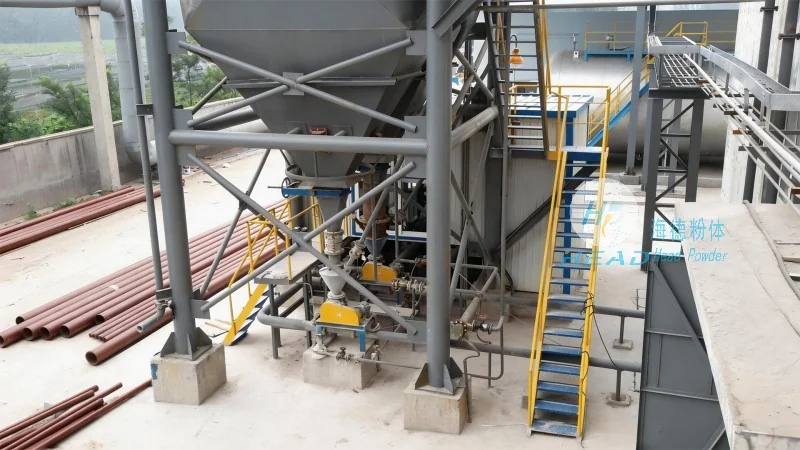
System pressure is a key variable that affects performance. Suction systems operate at negative pressures, usually ranging from -0.5 to -2 bar, while pressure systems use positive pressures of 1-6 bar. The choice of pressure mode depends on the distance, material characteristics, and facility layout. Efficiency metrics, such as material recovery rate and air consumption, are also important. High-quality systems achieve material recovery rates of 98% or higher, with air consumption typically ranging from 0.5 to 2 m³ of air per kg of material. These metrics indicate the system's effectiveness in minimizing waste and optimizing energy use.
Component specifications, including the size and material of the conveying pipeline, also impact performance. Stainless steel or PVC pipes are commonly used due to their resistance to corrosion and abrasion from the straw powder. The diameter of the pipeline is determined by the required flow rate and the material's particle size, with typical diameters ranging from 50 to 200 mm. The selection of components, such as the feeder and separation unit, is critical to ensuring consistent operation and preventing system downtime.
Company Profile: Shandong HeadPowder Engineering Co., Ltd.
Shandong HeadPowder Engineering Co., Ltd., operating under the brand name HeadPowder, is a leading manufacturer of pneumatic conveying systems for agricultural and biomass applications. HeadPowder specializes in designing and manufacturing customized solutions tailored to the specific needs of straw powder processing facilities. The company is headquartered in Shandong, China, and has extensive experience in the development of efficient, reliable, and environmentally friendly material handling systems.
HeadPowder's product line includes a range of pneumatic conveying systems, from small-scale suction units for laboratory use to large-scale pressure systems for industrial production. The company's systems are designed to handle various types of straw powders, including those with high moisture content or abrasive particles. Each system is engineered to meet the unique requirements of the customer, ensuring optimal performance and minimal maintenance.
With a commitment to innovation and quality, HeadPowder continuously improves its products to enhance efficiency and reduce operational costs for its clients. The company's team of engineers and technicians works closely with customers to understand their material handling challenges and develop tailored solutions. By leveraging advanced technology and rigorous testing, HeadPowder ensures that its systems deliver consistent performance and meet the highest industry standards.