

[W]Working Principle and Characteristics of Pneumatic Conveying for Rice Grains
HeadPowder, a leading provider of material handling solutions, specializes in pneumatic conveying systems tailored for rice grain processing. This article explores the fundamental working principle and key characteristics of such systems, offering insights into their application and benefits in the rice industry.
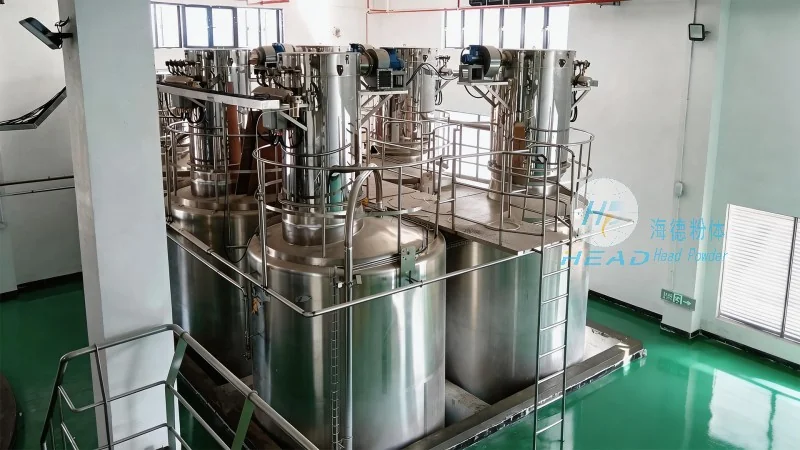
Understanding the Working Principle of Pneumatic Conveying for Rice Grains
Pneumatic conveying systems operate by utilizing air or gas to transport solid particles, such as rice grains, through a pipeline. The process involves several critical components that work in tandem to ensure efficient material movement. At the core of the system is a conveying line, which may be operated under either positive pressure (using compressed air) or negative pressure (using vacuum). For rice grains, the choice of pressure type depends on factors like the distance to be covered, the volume of material, and the need to maintain product integrity.
The system typically begins with a feed hopper or feeder that meters the rice grains into the conveying line. This component ensures a consistent flow of material, preventing blockages and maintaining system efficiency. As the rice grains enter the pipeline, they are entrained by the moving air, which carries them along the entire length of the conveyor. The velocity of the air is carefully controlled to ensure that the rice grains are fully suspended and transported without damage. At the receiving end, a separator or de-duster is used to separate the rice grains from the air stream, allowing the product to be collected in a storage bin or processing unit.
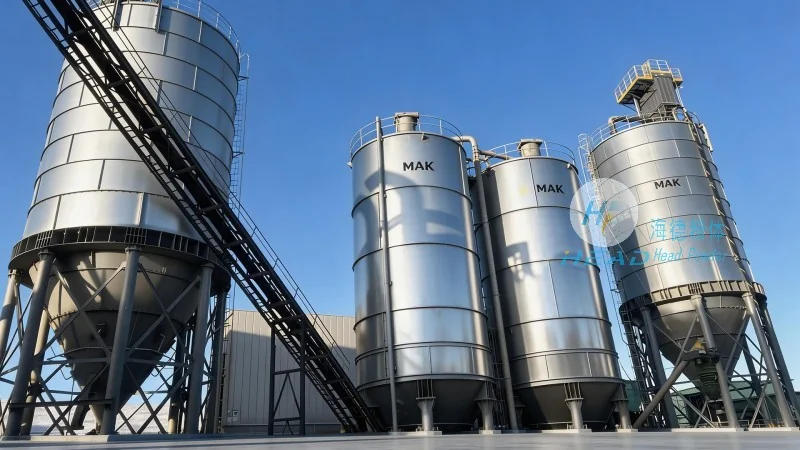
Key Characteristics of Pneumatic Conveying Systems for Rice Grains
When considering pneumatic conveying for rice grain handling, several distinct characteristics make this technology particularly suitable for the industry. First, the system offers a clean and hygienic transfer method, as it eliminates the need for mechanical contact between the rice and the conveying equipment. This is crucial for maintaining the quality and safety of the product, especially in food processing applications. Additionally, pneumatic conveying is highly flexible, allowing for changes in the layout of the conveying line without significant modifications to the system. This adaptability is valuable in rice processing facilities where space constraints or operational changes may occur.
Another notable characteristic is the energy efficiency of pneumatic conveying systems. By using compressed air or vacuum, the system can transport large volumes of rice grains with relatively low energy consumption compared to traditional methods like belt conveyors or bucket elevators. This efficiency not only reduces operational costs but also minimizes the environmental impact of the process. Furthermore, the system is compact and space-saving, as the conveying line can be installed in a variety of configurations, including vertical, horizontal, or a combination of both, to suit the specific layout of the rice processing plant.
Applications and Benefits in Rice Processing
Pneumatic conveying systems are widely used in various stages of rice processing, from raw grain reception to final product packaging. For instance, in the initial stage, the system can efficiently transport bulk rice from storage silos to processing equipment such as cleaners, graders, or milling machines. During the milling process, pneumatic conveying is used to move the milled rice to packaging lines or storage areas, ensuring a smooth and continuous workflow. The ability to handle different grain sizes and moisture content makes this technology versatile for various rice varieties, including long-grain, short-grain, and parboiled rice.
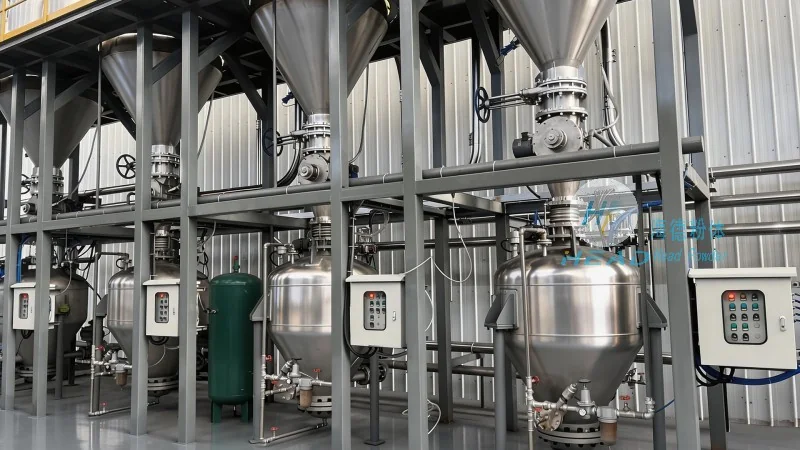
The benefits of using pneumatic conveying for rice grains extend beyond operational efficiency. The system reduces product contamination and damage, as the grains are not subjected to friction or impact during transport. This is particularly important for high-value rice varieties that require careful handling to maintain their quality and market value. Moreover, the system can be integrated with other processing equipment, such as air classifiers or de-stoners, to enhance the overall processing capabilities of the rice facility.
Conclusion
Shandong HeadPowder Engineering Co., Ltd., based in China, specializes in designing and manufacturing advanced pneumatic conveying systems for rice grain processing. By understanding the working principle and key characteristics of these systems, rice processing facilities can optimize their material handling operations, improve product quality, and reduce operational costs. The adaptability, efficiency, and hygiene of pneumatic conveying make it an ideal solution for modern rice processing industries, ensuring that rice grains are transported safely and effectively from the field to the consumer.