

What is a Dry Gravel Material Conveying Line? What Are Its Design Principles?
Understanding the dry gravel material conveying line is essential for industries that handle bulk materials efficiently. This system is specifically designed to transport dry gravel and similar granular materials over long distances with minimal loss and optimal performance. The technology behind such lines integrates mechanical components and control systems to ensure reliable operation in various industrial applications.
What is a Dry Gravel Material Conveying Line?
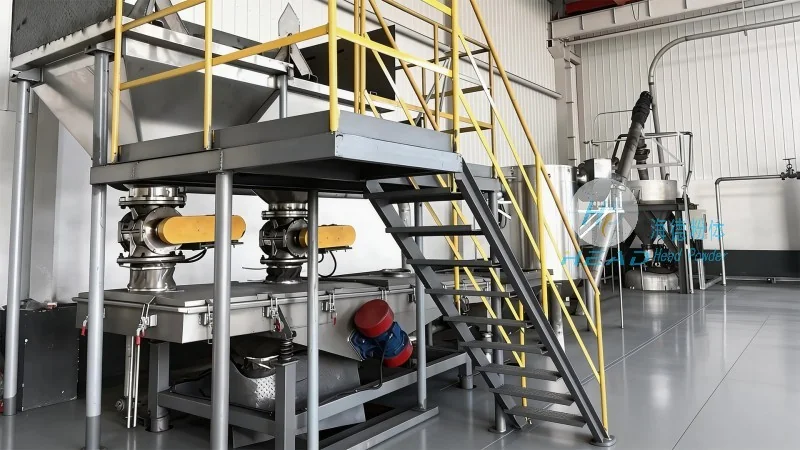
A dry gravel material conveying line, also known as a dry material conveyor system, is a specialized piece of industrial equipment used to transport dry gravel, crushed stone, or other granular materials from one location to another. Unlike wet or slurry-based conveying systems, this type of line operates without the need for water or other liquids, making it ideal for applications where moisture control is critical. The system typically consists of a series of components including a feeding mechanism, a conveyor belt or chain, a drive system, and a control panel. These elements work together to move the dry gravel through the system with precision and efficiency.
The primary purpose of a dry gravel material conveying line is to facilitate the movement of bulk materials in construction, mining, and landscaping industries. By eliminating the need for water or other additives, this system reduces operational costs and simplifies maintenance. The design allows for continuous operation, ensuring that material handling processes remain uninterrupted and productive. Industries such as road construction, mining operations, and gravel processing facilities rely on these systems to streamline their material handling workflows.
Design Principles of Dry Gravel Material Conveying Lines
The design of a dry gravel material conveying line is based on several key principles that ensure optimal performance and durability. These principles focus on material handling efficiency, system reliability, and operational safety. The first principle is the selection of appropriate components that can withstand the abrasive nature of dry gravel. This includes using high-quality conveyor belts or chains made from materials resistant to wear and tear, such as rubber or synthetic fabrics. The drive system is another critical component, as it must provide sufficient power to move the heavy loads of gravel over long distances without excessive energy consumption.
A key design consideration is the feeding mechanism, which ensures that the dry gravel is evenly distributed onto the conveyor belt. This prevents material buildup and ensures consistent flow. The control panel plays a vital role in monitoring and adjusting the system's operation. Modern systems often include sensors and automation features that allow for real-time monitoring of speed, load, and other parameters. This not only enhances efficiency but also reduces the risk of equipment failure or material spillage.
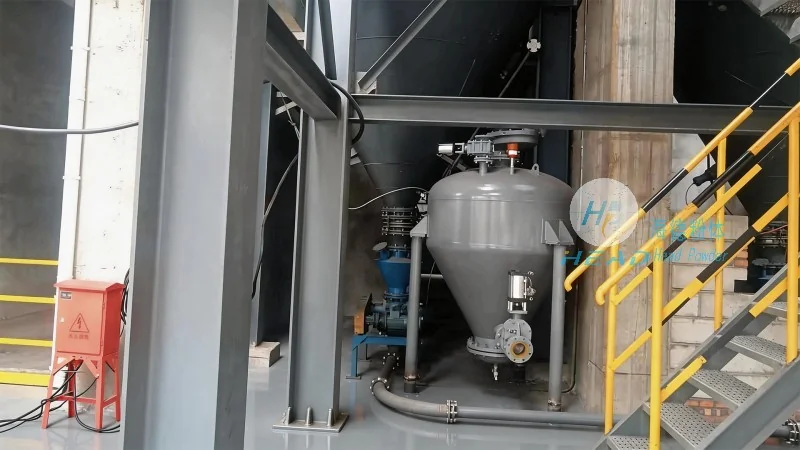
The structural design of the conveying line is also crucial. The system must be built to handle the weight and movement of the gravel while maintaining stability. This involves using robust frames and supports that can withstand the forces exerted by the material and the operational environment. Additionally, the design incorporates features to minimize dust generation and environmental impact, which is important for compliance with industrial regulations and environmental standards.
Components and Functionality
The dry gravel material conveying line consists of several interconnected components, each with a specific function. The feeding hopper is the first component, where the dry gravel is loaded and then transferred to the conveyor system. The hopper is designed to ensure a consistent flow of material, preventing blockages and ensuring smooth operation. The conveyor belt or chain is the core of the system, responsible for transporting the gravel from the hopper to the discharge point. The drive system, typically powered by electric motors, provides the necessary force to move the belt or chain at the desired speed.
The control panel is another essential component, housing the electrical and electronic systems that regulate the operation of the conveyor line. It includes controls for speed adjustment, start/stop functions, and safety features such as emergency stop buttons. Sensors are often integrated into the system to detect changes in load, speed, or position, providing feedback to the control panel and allowing for automated adjustments. This ensures that the system operates within safe and efficient parameters at all times.
Applications and Benefits
Dry gravel material conveying lines are widely used in various industrial applications due to their versatility and efficiency. In the construction industry, these systems are used to transport gravel for road and building projects, ensuring that materials are delivered to the job site in a timely and cost-effective manner. In mining operations, they help move crushed stone and other materials from processing plants to storage or transportation facilities. Landscaping and gardening businesses also benefit from these systems, as they can efficiently move gravel for garden design and maintenance projects.
The benefits of using a dry gravel material conveying line extend beyond just material transport. These systems reduce labor costs by automating the material handling process, allowing workers to focus on other tasks. They also minimize material loss and spillage, which is important for maintaining a clean and safe work environment. Additionally, the lack of water or other liquids in the system reduces the risk of contamination and makes it easier to maintain hygiene standards, which is particularly important in food processing or pharmaceutical industries where dry materials are handled.
Maintenance and Operational Considerations
Proper maintenance is crucial to ensure the long-term performance and reliability of a dry gravel material conveying line. Regular inspections should be conducted to check for wear and tear on components such as the conveyor belt, drive system, and feeding mechanism. This includes checking for signs of damage, such as fraying or cracks, and replacing parts as needed. Lubrication of moving parts is also essential to reduce friction and prevent overheating, which can lead to equipment failure.
The operational considerations for these systems include ensuring that the dry gravel is properly prepared before it enters the conveying line. This may involve screening or cleaning the material to remove debris or moisture, which can affect the system's performance. Additionally, the system should be operated within its specified load capacity to avoid overloading and potential damage. Regular cleaning of the conveyor belt and hopper is also important to prevent material buildup and maintain efficiency.
Training operators on the proper use and maintenance of the dry gravel material conveying line is another key consideration. Proper training ensures that the system is operated safely and efficiently, reducing the risk of accidents and equipment damage. It also helps to maximize the lifespan of the equipment and minimize downtime due to maintenance or repairs.
Conclusion
In conclusion, a dry gravel material conveying line is a vital piece of industrial equipment that plays a crucial role in the efficient handling of dry granular materials. The design principles and components of such systems are carefully engineered to ensure reliability, efficiency, and safety. By understanding the functionality and maintenance requirements of these systems, industries can optimize their material handling processes and achieve greater productivity. The use of advanced technology and proper maintenance practices ensures that dry gravel material conveying lines remain a reliable and cost-effective solution for bulk material transport in various applications.