

What Are Sawdust and Husk Material Conveying Equipment? What Are Their Design Principles?
When it comes to handling bulk materials like sawdust and husks, specialized equipment is essential for efficient and reliable transport. These materials, often produced in woodworking and agricultural processing industries, require machinery that can manage their unique properties such as low density, high moisture content, and irregular shapes. The sawdust and husk material conveying equipment from Shandong HeadPowder Engineering Co., Ltd. is designed to address these challenges, offering a robust solution for material transport in various industrial applications.
Key Components and Design Principles
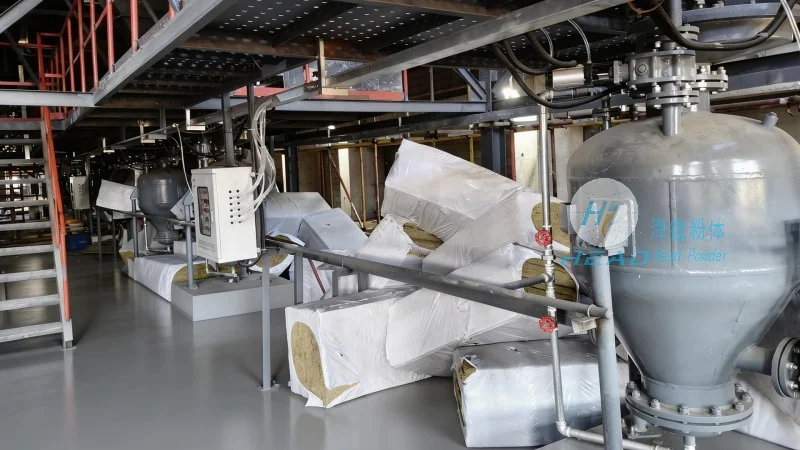
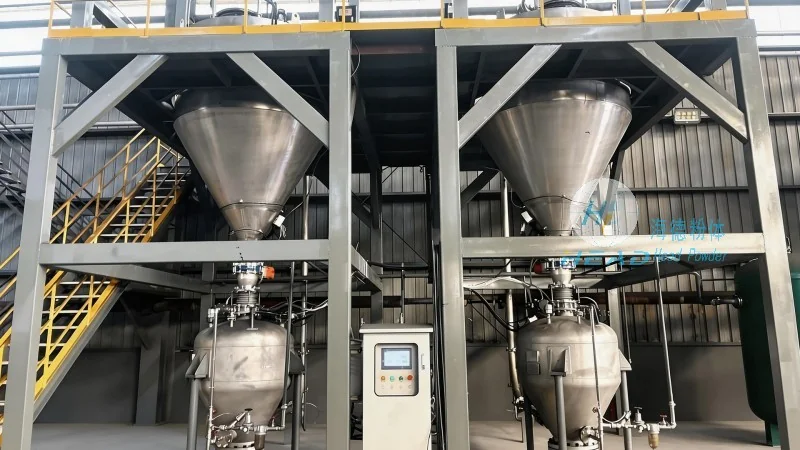
The design of sawdust and husk material conveying equipment is centered on several critical components that ensure optimal performance. The primary components include a hopper for material intake, a conveyor system (often a screw or belt conveyor), and a discharge mechanism. The hopper is typically designed with a wide opening to facilitate easy loading of the bulk material, while the interior may feature smooth or slightly angled surfaces to prevent material buildup and ensure consistent flow. The conveyor system, whether a screw conveyor or a belt conveyor, is engineered to handle the low density and potential stickiness of sawdust and husks. For screw conveyors, the screw pitch and diameter are carefully selected to maintain a balance between material transport efficiency and power consumption. The material of construction, often stainless steel or corrosion-resistant alloys, is chosen to withstand the abrasive and moisture-rich nature of these materials, ensuring long-term durability and minimal maintenance.
How the Equipment Works
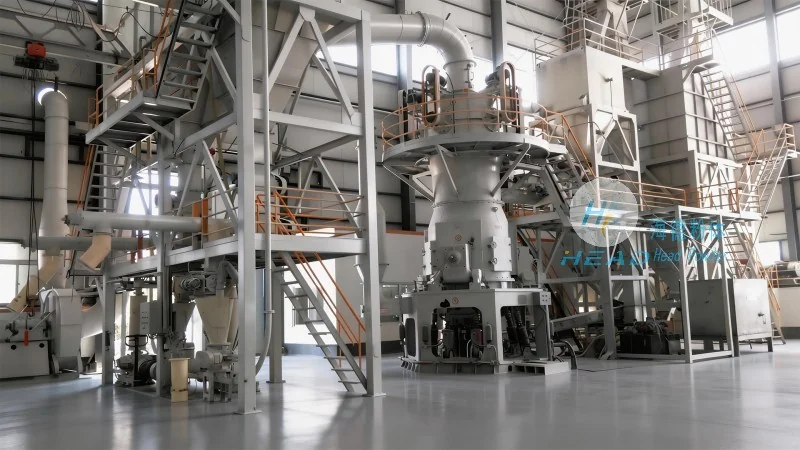
The operation of sawdust and husk material conveying equipment is straightforward yet highly effective. The process begins with the material being fed into the hopper from a storage silo or processing unit. As the material accumulates in the hopper, it is gradually drawn into the conveyor system by the rotating screw or moving belt. The screw conveyor, for instance, uses a helical screw to push the material forward, while the belt conveyor relies on the friction between the belt and the material to move it along the path. The discharge mechanism at the end of the conveyor then releases the material into a collection bin or processing line. This continuous process allows for a steady flow of material, minimizing downtime and maximizing productivity in industrial settings.
Benefits of Using Sawdust and Husk Conveying Equipment
Implementing sawdust and husk material conveying equipment offers numerous benefits for industrial operations. Firstly, it enhances material handling efficiency by reducing manual labor and increasing the speed of transport. The automated system can handle large volumes of material consistently, ensuring a steady supply for downstream processes such as drying, pelletizing, or packaging. Secondly, the equipment improves safety by eliminating the need for workers to handle bulk materials manually, which can be hazardous due to the potential for dust inhalation or physical injury. Additionally, the design of the equipment minimizes material loss and contamination, as the enclosed system prevents spillage and exposure to external elements. Finally, the equipment is designed for low maintenance, with easy access to components for cleaning and repair, reducing operational costs over time.
Applications in Different Industries
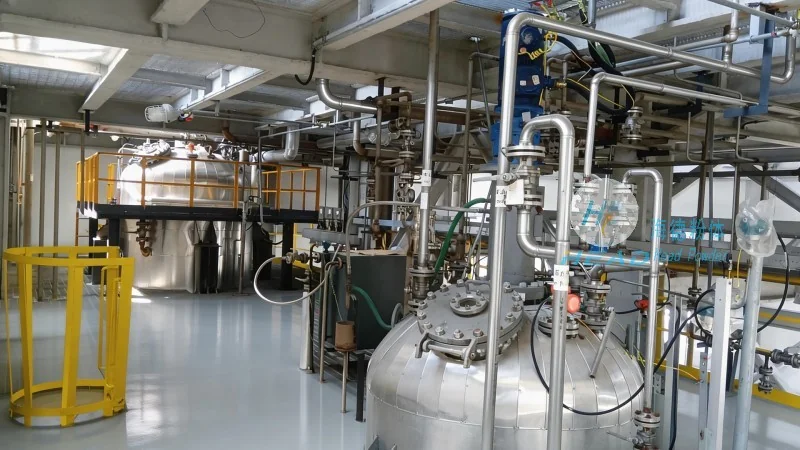
The versatility of sawdust and husk material conveying equipment makes it suitable for a wide range of industries. In the woodworking industry, it is commonly used to transport sawdust from cutting and shaping operations to storage or further processing. In agricultural processing, the equipment is employed to move husks from threshing and cleaning stages to storage or animal feed production. Additionally, in biofuel production, the equipment plays a crucial role in transporting raw materials to the processing units for conversion into energy. The adaptability of the system allows it to be customized for specific applications, with adjustments to the conveyor length, speed, and material handling capacity to meet the unique requirements of each industry.