

What is a Furfural Ash Slag Material Handling Equipment? Exploring Its Design Principles
When it comes to industrial material handling, especially in processes involving furfural production and related byproducts, the efficient and reliable transport of ash slag materials is crucial. Furfural ash slag, a byproduct from furfural manufacturing, poses unique challenges in terms of handling due to its abrasive nature and potential for dust generation. To address these challenges, specialized equipment like furfural ash slag material handling systems are developed to ensure safe, efficient, and environmentally compliant material transport. This article delves into what such equipment entails and the underlying design principles that make it effective.
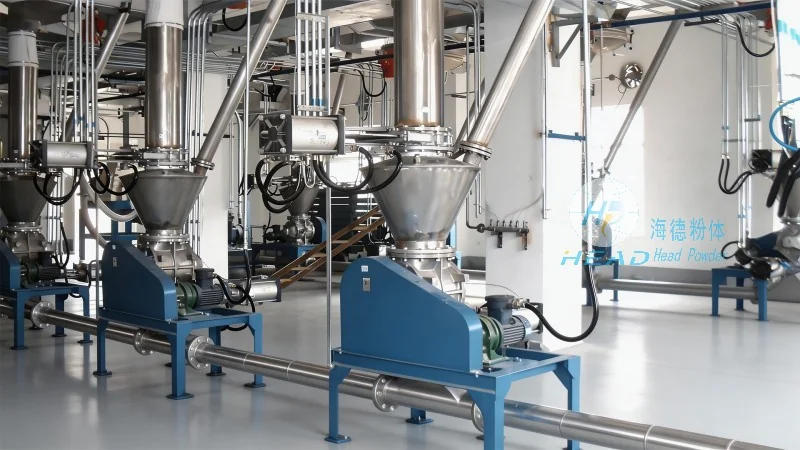
Understanding the Role of Furfural Ash Slag Material Handling Equipment
Furfural, a valuable chemical intermediate derived from agricultural residues like corn cobs or oat hulls, undergoes a series of chemical reactions during its production. The byproduct, furfural ash slag, consists of inorganic residues that require proper disposal or reuse. Traditional methods of handling this material often involve manual labor or basic conveyors, which can lead to inefficiencies, safety hazards, and environmental concerns. Modern furfural ash slag material handling equipment is engineered to overcome these limitations by providing a comprehensive solution for transporting, storing, and managing the ash slag. The equipment is designed to handle the abrasive and potentially hazardous nature of the material while ensuring operational safety and compliance with environmental regulations.
Key Design Principles of Furfural Ash Slag Material Handling Systems
The design of furfural ash slag material handling equipment is guided by several critical principles to ensure optimal performance and durability. First, the equipment must be constructed from materials that can withstand the abrasive properties of the ash slag. High-quality stainless steel, wear-resistant alloys, and specialized coatings are commonly used to protect the components from corrosion and wear. Second, the system is engineered for efficient material flow, minimizing blockages and ensuring consistent throughput. This involves the use of robust conveyor belts, heavy-duty pulleys, and precise drive mechanisms that can handle the weight and density of the ash slag. Third, safety is a paramount consideration. The equipment incorporates features such as enclosed systems to contain dust, emergency stop buttons, and protective guards to prevent accidents. Additionally, the design prioritizes ease of maintenance, with accessible components and modular designs that allow for quick repairs and replacements.
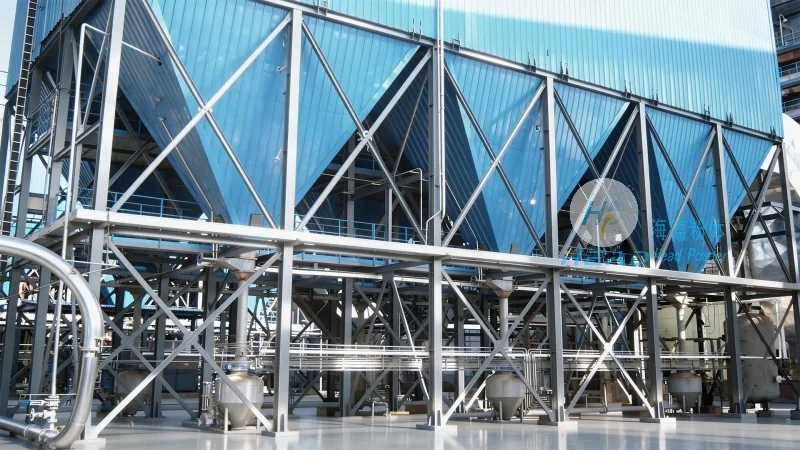
Components and Functionalities of the Material Handling Equipment
A typical furfural ash slag material handling system comprises several key components that work in tandem to achieve efficient material transport. The primary components include a feeding hopper, which collects and feeds the ash slag into the system, a conveyor belt or screw conveyor for transporting the material, a control panel for monitoring and adjusting the system's operation, and a discharge mechanism for delivering the material to its destination. The feeding hopper is designed with a sloped bottom to facilitate the flow of the ash slag, preventing clogging and ensuring a steady supply to the conveyor. The conveyor system, often a belt conveyor, is equipped with heavy-duty rollers and a robust frame to support the weight of the material and withstand the abrasive forces. The control panel allows operators to adjust the speed of the conveyor, monitor the system's performance, and receive alerts in case of any issues. The discharge mechanism, such as a chute or a rotating valve, ensures that the material is discharged safely and efficiently, without causing spills or blockages.
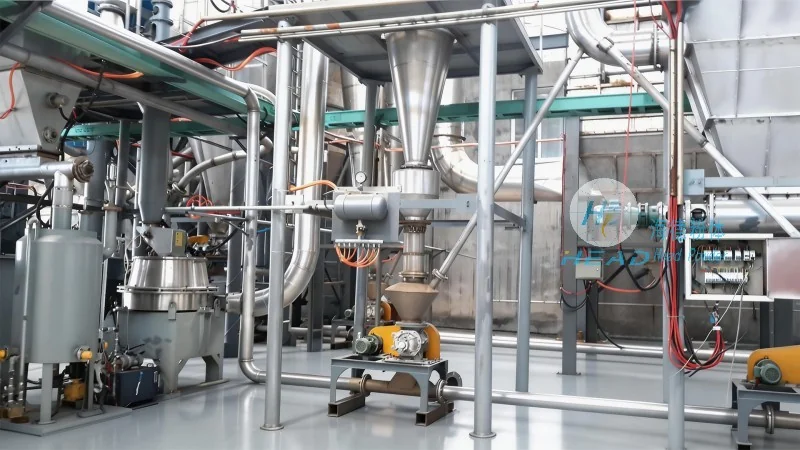
Benefits of Using Furfural Ash Slag Material Handling Equipment
Implementing specialized furfural ash slag material handling equipment offers numerous benefits for industrial operations. Firstly, it enhances operational efficiency by reducing the time and labor required for material transport. The automated system can handle large volumes of ash slag continuously, minimizing downtime and increasing overall productivity. Secondly, it improves safety by eliminating manual handling of the abrasive and potentially hazardous material. The enclosed design and safety features prevent dust exposure and reduce the risk of accidents, creating a safer working environment. Thirdly, the equipment promotes environmental compliance by containing dust and preventing spills, which helps in meeting regulatory requirements and reducing the environmental impact of the furfural production process. Additionally, the use of durable materials and robust design ensures long-term reliability, reducing maintenance costs and extending the equipment's lifespan.
Customization and Application Considerations
Due to the diverse nature of furfural production processes and the varying characteristics of ash slag, furfural ash slag material handling equipment is often customized to meet specific operational needs. Manufacturers, such as Shandong HeadPowder Engineering Co., Ltd., offer tailored solutions that consider factors like the volume of ash slag, the distance it needs to be transported, and the specific environmental conditions of the facility. Customization may include adjustments to the conveyor speed, the size of the feeding hopper, or the type of discharge mechanism. Additionally, the equipment can be integrated with other systems, such as dust collection systems or material storage facilities, to create a comprehensive material handling solution. When selecting a furfural ash slag material handling system, it is essential to consider the specific requirements of the operation and work with experienced manufacturers who can provide tailored solutions that ensure optimal performance and reliability.