

What is an Alumina Powder Conveying System? What Are Its Design Principles?
Alumina powder, a critical raw material in the production of aluminum and various high-value chemicals, requires efficient and reliable conveying systems to ensure smooth industrial processes. The alumina powder conveying system is a specialized equipment setup designed to transport this fine powder from one location to another within industrial facilities. This article explores the components of such a system and delves into the underlying design principles that make it effective for handling alumina powder.
Understanding the Alumina Powder Conveying System
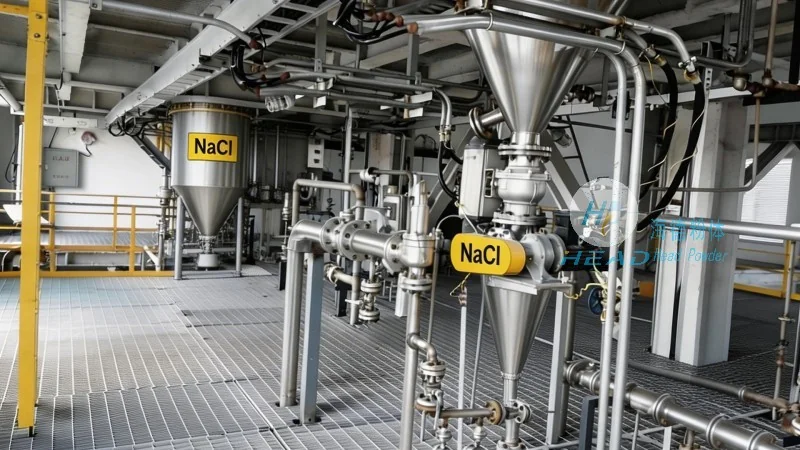
The alumina powder conveying system typically consists of several key components that work in tandem to ensure the safe and efficient transport of the material. These components include feeders, conveyors, control systems, and sometimes dust collection units. Each part plays a crucial role in the overall operation of the system. The feeders are responsible for regulating the flow of alumina powder from storage silos or hoppers into the conveyor system. They ensure a consistent and controlled feed rate, which is vital to prevent overloading or underloading of the conveyor. Common types of feeders used in alumina powder handling include rotary valves, vibratory feeders, and screw feeders, each offering different advantages depending on the specific application and material characteristics.
Design Principles for Efficient Alumina Powder Conveying
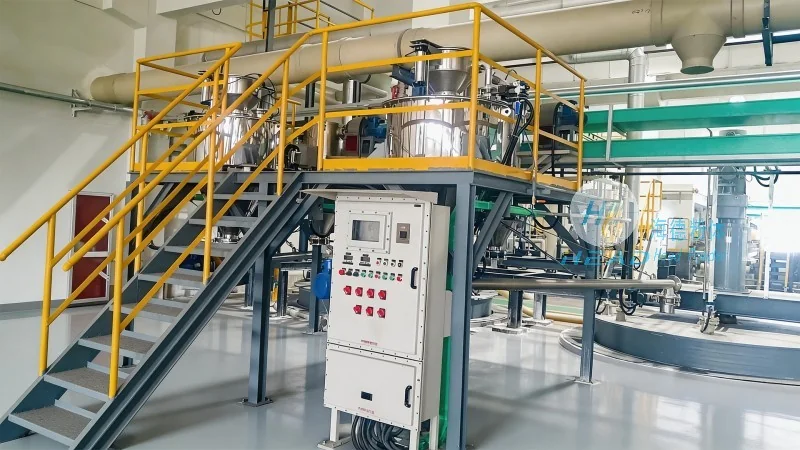
The design of an alumina powder conveying system is guided by several fundamental principles aimed at optimizing performance, minimizing material degradation, and ensuring operational safety. One of the primary design considerations is the prevention of material buildup and blockages, which are common issues with fine powders like alumina. To address this, the system is often designed with smooth, non-stick surfaces and appropriate incline angles to facilitate flow. The use of air-assisted conveying systems, such as pneumatic conveyors, is also prevalent in alumina powder handling. These systems use compressed air to move the powder through a pipeline, reducing friction and preventing material degradation. The design of the pipeline itself is critical, with considerations for material compatibility, pressure ratings, and the ability to handle the specific properties of alumina powder, including its particle size distribution and moisture content.
Key Components and Their Functions
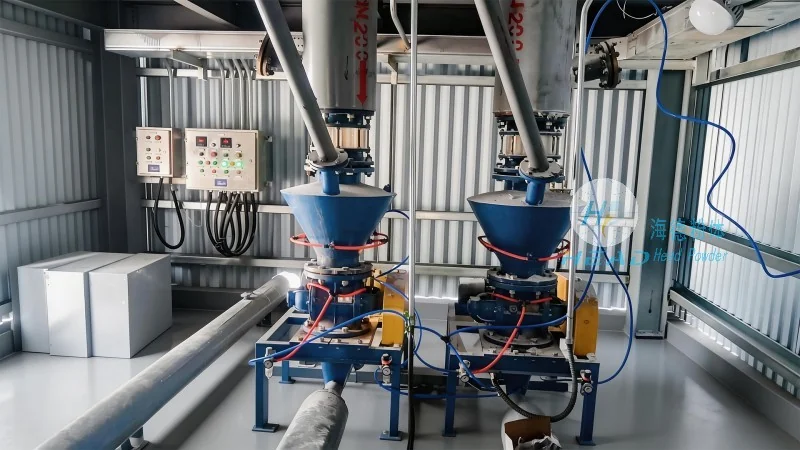
Within the alumina powder conveying system, each component is engineered to meet specific operational requirements. The feeders, as mentioned earlier, are designed to handle the bulk material and regulate its flow into the conveyor. The conveyors, which can be either mechanical (like belt conveyors or bucket elevators) or pneumatic, are responsible for the actual movement of the powder. Mechanical conveyors are often used for horizontal or slight incline transport, while pneumatic systems excel in vertical or long-distance transport. The control systems integrate sensors and automation to monitor the flow rate, pressure, and other parameters, ensuring the system operates within optimal conditions. Additionally, dust collection systems are often incorporated to manage the fine particles and maintain a safe working environment, as alumina powder can be hazardous if inhaled in large quantities.
Application and Operational Considerations
The alumina powder conveying system is widely used in various industrial applications, including the aluminum smelting industry, chemical manufacturing, and the production of refractory materials. The efficiency of the system directly impacts the overall productivity and cost-effectiveness of these processes. Operational considerations include maintaining the system's cleanliness to prevent clogging, regular maintenance of components to ensure longevity, and monitoring for any signs of material degradation or equipment wear. The design principles discussed above are applied to tailor the system to the specific needs of each application, ensuring that the conveying process is both efficient and safe.
About Shandong HeadPowder Engineering Co., Ltd.
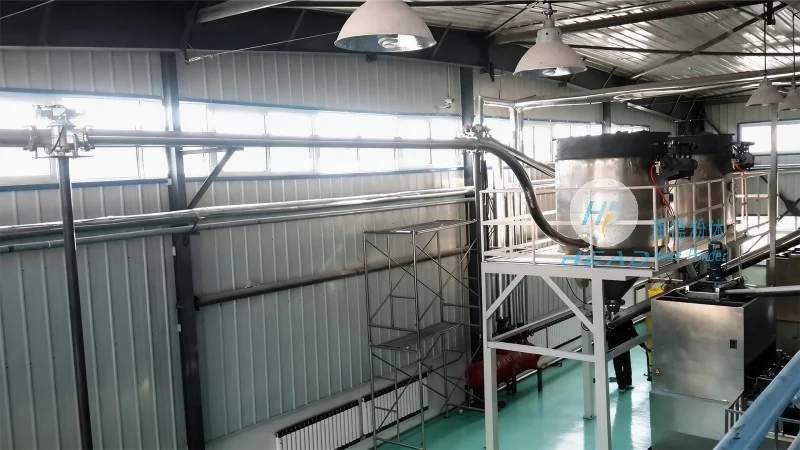
Shandong HeadPowder Engineering Co., Ltd., commonly known as HeadPowder, is a leading manufacturer and supplier of specialized powder handling equipment. With a strong focus on innovation and quality, HeadPowder provides comprehensive solutions for the transportation and processing of various powders, including alumina. The company's expertise lies in designing and manufacturing systems that meet the unique challenges of industrial powder handling, ensuring reliability, efficiency, and safety. HeadPowder's commitment to customer satisfaction and technological advancement has made it a trusted partner in the industry, delivering high-performance alumina powder conveying systems that enhance operational efficiency and reduce costs for its clients.