

What is a Monocrystalline Silicon Powder Conveying System Equipment? And What Are Its Design Princip
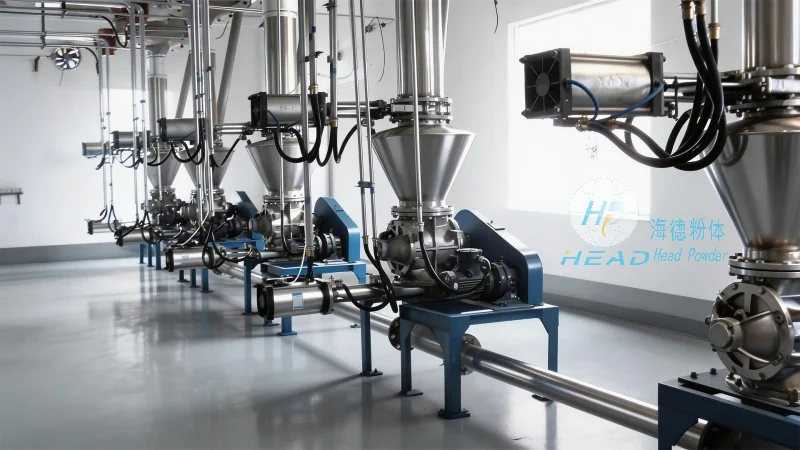
Monocrystalline silicon powder conveying systems are specialized equipment designed to handle and transport fine silicon powders, which are crucial raw materials in the semiconductor and solar energy industries. These systems ensure efficient and reliable material movement from storage to processing units, maintaining the purity and integrity of the silicon powder throughout the process.
About Shandong HeadPowder Engineering Co., Ltd.
HeadPowder, the brand under Shandong HeadPowder Engineering Co., Ltd., is a leading manufacturer specializing in the design and production of advanced powder handling equipment. With a focus on precision engineering and customer-specific solutions, the company has established itself as a trusted partner in the silicon processing sector. HeadPowder's facilities are located in Shandong, China, where the company leverages local expertise and resources to deliver high-quality products tailored to the needs of the semiconductor and renewable energy markets.
Design Principles of Monocrystalline Silicon Powder Conveying Systems
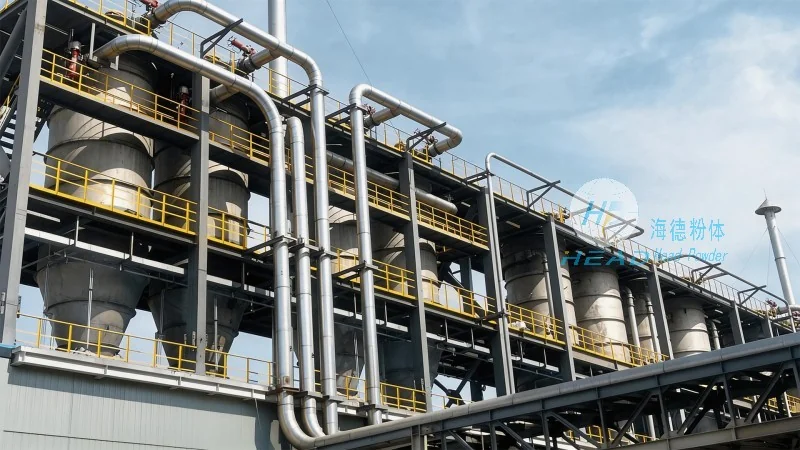
The design of monocrystalline silicon powder conveying systems adheres to several key principles to ensure optimal performance. Firstly, the system must maintain the purity of the silicon powder by minimizing contamination from external sources. This is achieved through the use of inert materials, sealed components, and careful selection of construction materials that do not react with the silicon powder. Secondly, the system is engineered for low particle attrition, as silicon powder is sensitive to mechanical stress that can alter its properties. Specialized conveying mechanisms, such as pneumatic or mechanical feeders, are employed to handle the powder gently while ensuring consistent flow rates. Thirdly, the system incorporates advanced control systems that monitor and regulate the conveying process in real-time. These controls help maintain uniform material distribution, prevent overloading, and adjust flow rates based on process requirements. Additionally, the design prioritizes ease of maintenance and cleaning to ensure long-term operational efficiency and compliance with industry standards.
Key Components and Functional Aspects
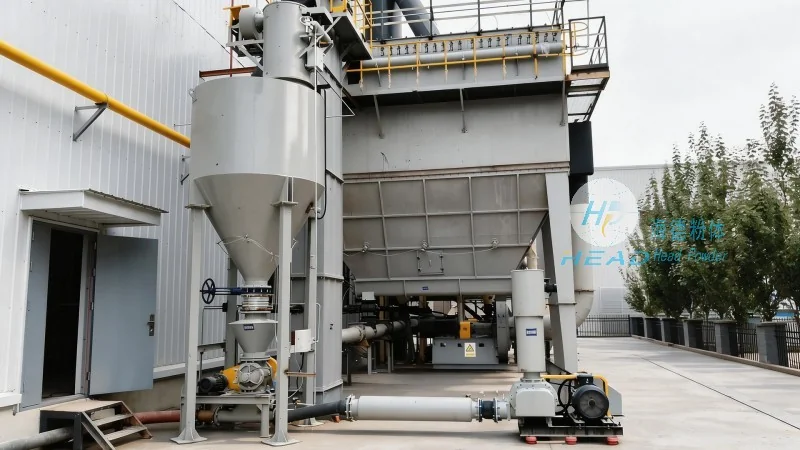
A typical monocrystalline silicon powder conveying system consists of several interconnected components that work in harmony to achieve efficient material transport. The primary components include a storage hopper, a feeding mechanism (such as a rotary valve or vibratory feeder), a conveying line (often using air or mechanical means), and a receiving hopper or processing unit. The storage hopper is designed to hold the silicon powder in a controlled environment, preventing moisture absorption and contamination. The feeding mechanism ensures a consistent and controlled flow of powder from the hopper to the conveying line, avoiding surges or blockages. The conveying line, which may be pneumatic (using compressed air to move the powder) or mechanical (using screws or belts), transports the powder to the processing unit. The receiving hopper or processing equipment then utilizes the powder for further manufacturing steps, such as silicon wafer production or solar cell fabrication. Each component is carefully selected and integrated to ensure seamless operation and minimal downtime.
Applications in the Semiconductor and Solar Industries
Monocrystalline silicon powder conveying systems play a critical role in the production of high-purity silicon wafers and solar cells. In semiconductor manufacturing, the system ensures that silicon powder is delivered to the melting and casting processes with minimal impurities, which is essential for producing defect-free wafers. In solar energy applications, the system transports silicon powder to the manufacturing of solar panels, where the purity and consistency of the powder directly impact the efficiency and longevity of the final product. The reliability of these conveying systems is vital in both industries, as any disruption in material flow can lead to production delays and increased costs. HeadPowder's systems are designed to meet the stringent requirements of these applications, providing consistent performance and maintaining the quality of the silicon powder throughout the production cycle.
Conclusion
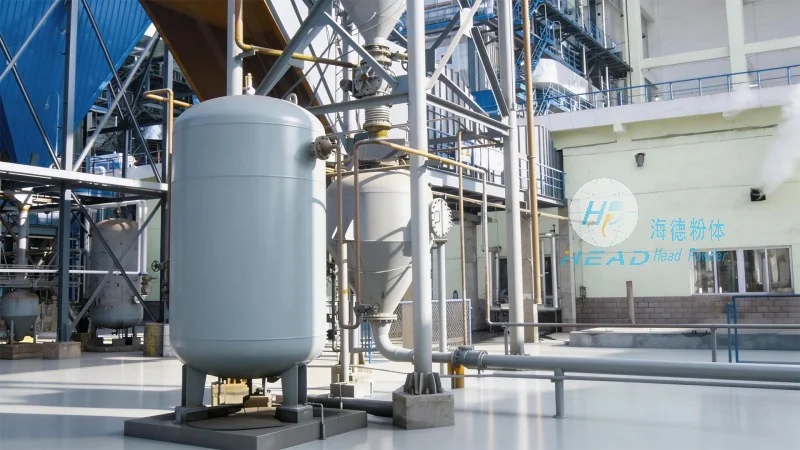
Monocrystalline silicon powder conveying systems are sophisticated equipment that combine advanced engineering principles with precision manufacturing to ensure the efficient and safe handling of silicon powders. The design principles, including contamination control, low particle attrition, and real-time monitoring, are critical to maintaining the quality of the material. As a leading manufacturer, Shandong HeadPowder Engineering Co., Ltd. specializes in providing customized solutions that meet the specific needs of the semiconductor and solar industries. By leveraging local expertise and state-of-the-art technology, HeadPowder delivers reliable and high-performance conveying systems that contribute to the success of its clients' operations. The company's commitment to quality and customer satisfaction has established it as a trusted partner in the silicon processing sector, ensuring that the systems it produces are not only efficient but also durable and cost-effective.