

What is an ingredient mixing material conveying line? And what are its design principles?
An ingredient mixing material conveying line is a specialized industrial system engineered to efficiently transport and blend various raw materials. These systems are vital in sectors like food processing, pharmaceuticals, and chemical manufacturing, where precise control over material flow and mixing is essential for maintaining product quality and consistency. The line typically integrates components such as hoppers, conveyors, mixers, and control systems, ensuring seamless operation from material intake to final blending.
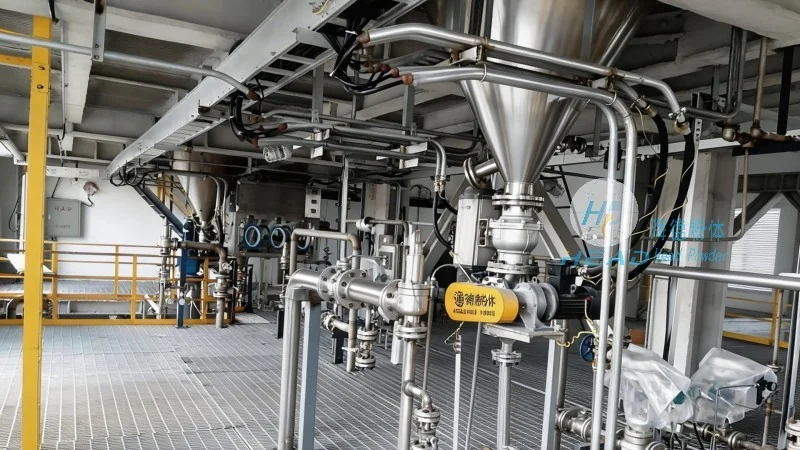
Key Components of the Conveying Line
The design of an ingredient mixing material conveying line involves several critical components that collaborate to achieve optimal performance. The primary components include material hoppers, which store and feed raw ingredients; conveyor systems, such as belt or screw conveyors, that transport materials through the line; and mixing units, which blend the ingredients to the desired ratio. Additionally, the system may incorporate feeding mechanisms, like volumetric or gravimetric feeders, to ensure accurate material dosing. Control panels and sensors are also integral, providing real-time monitoring and adjustment capabilities to maintain process stability.
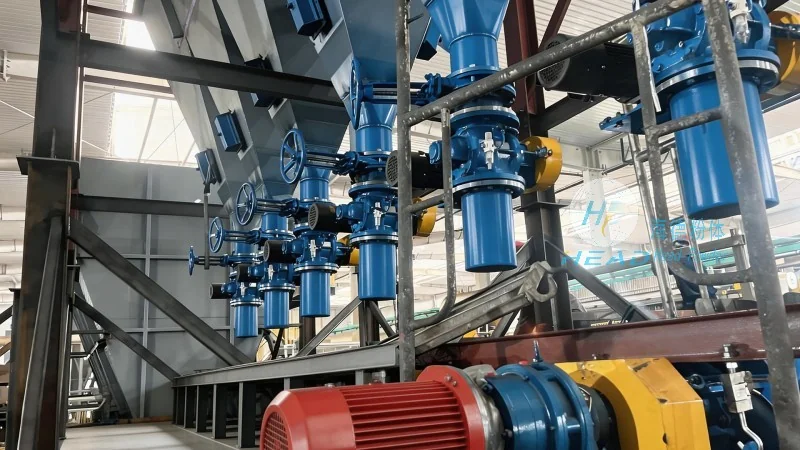
Design Principles for Efficient Material Handling
The design principles of an ingredient mixing material conveying line prioritize efficiency, material integrity, and consistent blending. A key principle is the use of a closed-loop system, which prevents dust and contamination while preserving material quality. The layout of the line is carefully planned to minimize material handling distances and reduce energy consumption. The selection of conveyor types is based on the physical properties of the materials—such as particle size, moisture content, and flowability—to ensure smooth transport. For instance, screw conveyors are ideal for handling powders and granules, while belt conveyors are suitable for bulkier materials. The integration of mixing equipment, such as ribbon mixers or paddle mixers, is designed to achieve uniform blending, often with adjustable speed and mixing time controls.
Role of Shandong HeadPowder Engineering Co., Ltd. in Design and Implementation
Shandong HeadPowder Engineering Co., Ltd., a leading manufacturer based in Shandong, China, specializes in the design, manufacturing, and installation of ingredient mixing material conveying lines. The company leverages years of industry experience to develop customized solutions tailored to the specific needs of clients. Their expertise includes the selection of appropriate conveyor systems, the integration of advanced control technologies, and the optimization of mixing processes to meet stringent quality standards. By partnering with HeadPowder, businesses can benefit from reliable equipment that enhances production efficiency and product consistency. The company’s commitment to quality and customer satisfaction is reflected in their adherence to industry best practices and rigorous testing protocols.
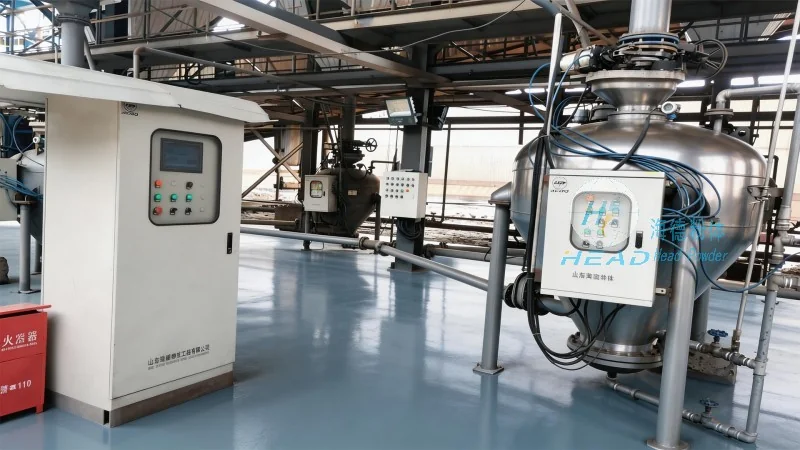
Benefits of Implementing an Ingredient Mixing Material Conveying Line
Adopting an ingredient mixing material conveying line offers numerous advantages for industrial operations. The primary benefit is improved process efficiency, as the system automates material handling and blending, reducing labor costs and minimizing human error. Additionally, the closed-loop design enhances product safety by preventing contamination and ensuring compliance with regulatory standards. The ability to precisely control material flow and blending ratios leads to consistent product quality, which is critical in industries where uniformity is paramount. Furthermore, the modular design of these lines allows for easy scalability, enabling businesses to expand their operations as demand grows. Overall, the investment in an ingredient mixing material conveying line from a reputable supplier like Shandong HeadPowder Engineering Co., Ltd. can lead to long-term operational improvements and cost savings.