

What is a Ship Loading and Unloading Material Handling Conveyor? And What Are Its Design Principles?
Ship loading and unloading material handling conveyors are critical infrastructure components in ports and maritime operations, designed to facilitate the efficient transfer of bulk materials between vessels and shore-based facilities. These systems play a pivotal role in modern logistics, ensuring smooth and safe material movement during the loading and unloading processes. Understanding the functionality and design principles of such conveyors is essential for optimizing port operations and enhancing overall efficiency.
Key Components and Functions of the Conveyor System
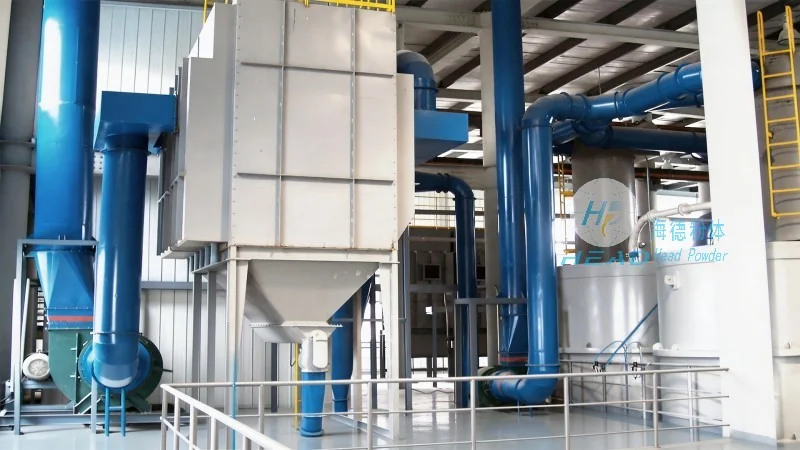
The core components of a ship loading and unloading material handling conveyor typically include a conveyor belt system, feeding mechanisms, control systems, and supporting structures. The conveyor belt, often made from durable materials like rubber or synthetic composites, is responsible for transporting the bulk material. Feeding mechanisms, such as hoppers or chutes, direct the material onto the belt, while control systems manage the speed, direction, and operational parameters to ensure precise material flow. Supporting structures, including frames and foundations, provide stability and support for the entire system, adapting to the dynamic conditions of port environments.
Design Principles for Efficient Material Handling
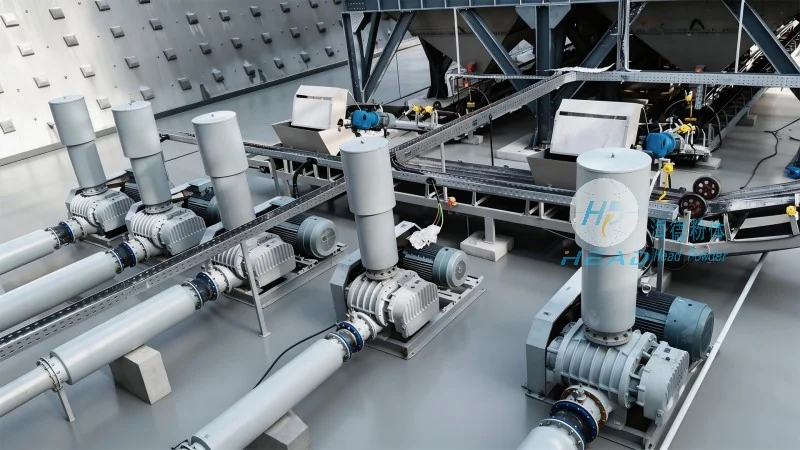
Design principles for ship loading and unloading material handling conveyors focus on several key factors to ensure optimal performance. First, the system must be capable of handling high volumes of material with minimal downtime, which is achieved through robust construction and reliable components. Second, the design considers the specific characteristics of the material being transported—such as size, weight, and abrasiveness—to select appropriate belt materials and tensioning systems. Third, ergonomic and safety considerations are integrated into the design, ensuring that operators can monitor and control the system effectively while minimizing risks. Additionally, the conveyor must be adaptable to different vessel sizes and loading/unloading scenarios, allowing for flexibility in port operations.
Application Scenarios and Industry Relevance
These conveyors are widely used in various industries, including mining, agriculture, and maritime trade. In mining operations, they facilitate the transport of ore from ships to processing facilities, while in agricultural sectors, they handle bulk commodities like grain and fertilizer. The system's versatility makes it suitable for both dry and wet materials, with specialized designs available for handling materials with high moisture content or corrosive properties. The efficiency of the conveyor system directly impacts the overall productivity of port operations, reducing the time required for loading and unloading vessels and minimizing labor costs.
Company Profile: Shandong HeadPowder Engineering Co., Ltd.
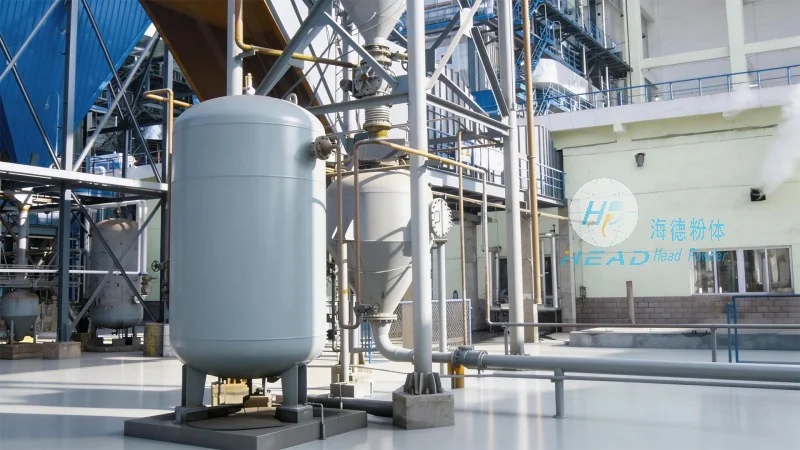
Shandong HeadPowder Engineering Co., Ltd., a leading manufacturer in the material handling industry, specializes in designing and manufacturing high-quality ship loading and unloading material handling conveyors. With a strong commitment to innovation and customer satisfaction, the company has established itself as a trusted partner for ports and maritime operators worldwide. HeadPowder's products are engineered to meet the demanding requirements of modern port operations, combining durability, efficiency, and reliability. The company's headquarters is located in Shandong, China, where it leverages advanced technology and skilled expertise to develop cutting-edge solutions for material handling challenges. By focusing on customer needs and industry standards, HeadPowder ensures that its conveyors deliver superior performance and contribute to the seamless operation of global supply chains.