

What is a Sugar Bulk Material Pneumatic Conveying System? And What Are Its Design Principles?
When it comes to the efficient handling of bulk materials like sugar, pneumatic conveying systems have become a cornerstone technology in the industry. These systems offer a reliable and often cost-effective solution for transporting sugar from storage to processing or packaging areas. But what exactly is a sugar pneumatic conveying system, and what are the key design principles that ensure its optimal performance? This article explores these questions, providing insights into the equipment and engineering behind such systems, with a focus on the expertise of Shandong HeadPowder Engineering Co., Ltd., a leading provider based in China.
Understanding the Core Components of a Sugar Pneumatic Conveying System
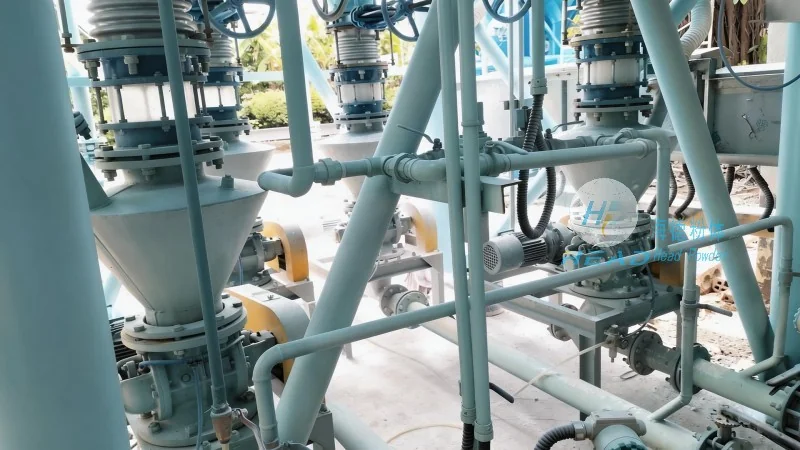
A typical sugar pneumatic conveying system consists of several critical components that work in tandem to move bulk sugar through a pipeline using air. The primary components include a hopper or storage silo, a feeder to control the flow of sugar into the system, a pipeline network, an air compressor to generate the necessary air pressure, and a cyclone separator or filter to separate the sugar from the air at the discharge end. Each component plays a vital role in ensuring the system operates smoothly and efficiently.
The hopper or silo serves as the storage vessel, holding the bulk sugar until it is needed for processing. It is designed to maintain the sugar's quality by minimizing exposure to air and moisture. The feeder, often a rotary valve or a screw feeder, regulates the flow of sugar into the pipeline, ensuring a consistent and controlled rate of material discharge. This control is crucial to prevent overloading the system and to maintain stable air pressure within the pipeline.
The pipeline network is the backbone of the conveying system, typically made of stainless steel or other corrosion-resistant materials to withstand the abrasive nature of sugar particles. The air compressor provides the motive force, generating the pressure needed to move the sugar particles through the pipeline. The air velocity and pressure levels are carefully selected based on the sugar's properties, such as particle size, density, and moisture content, to ensure efficient transport without causing excessive wear or degradation of the material.
The cyclone separator or filter at the end of the pipeline is essential for separating the sugar from the air. As the air-sugar mixture enters the separator, the heavier sugar particles are forced to the walls and fall back into a collection bin, while the clean air is discharged back into the system or released to the atmosphere. This separation process is critical for maintaining the purity of the sugar and preventing contamination of the air handling equipment.
Design Principles for Efficient and Reliable Sugar Conveying
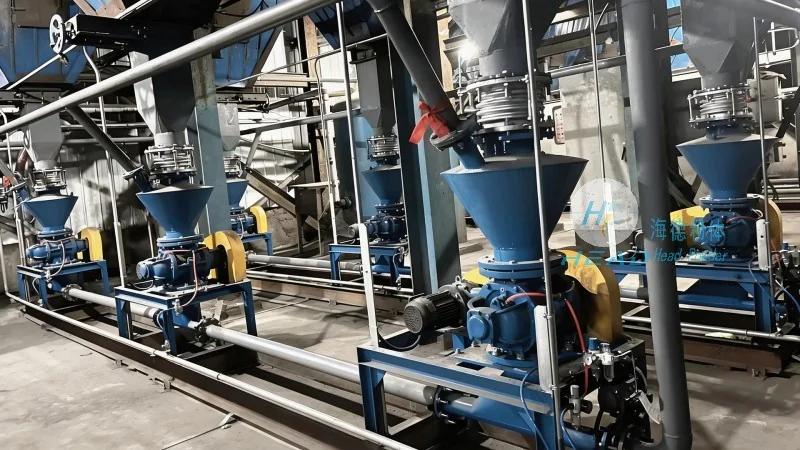
The design of a sugar pneumatic conveying system is a complex process that involves balancing several factors to achieve optimal performance. Key design principles include selecting the appropriate air velocity and pressure, ensuring proper system layout to minimize pressure losses, and accounting for the physical properties of the sugar being conveyed.
Air velocity is a critical parameter that determines the system's capacity and efficiency. For sugar, the recommended air velocity typically ranges from 20 to 30 meters per second, depending on the particle size and density. Higher velocities can increase the conveying capacity but may also lead to higher energy consumption and increased wear on the system components. Conversely, lower velocities may result in lower capacity but reduce energy costs and wear. The design must strike a balance between these factors to achieve the best overall performance.
Pressure is another important design consideration. The system operates under either positive or negative pressure, depending on the application. Positive pressure systems are commonly used for conveying sugar from a storage silo to a processing area, as they can handle longer distances and higher elevations. Negative pressure systems, on the other hand, are often used for material recovery or for conveying sugar from a processing area back to a storage silo. The pressure level is determined by the distance and elevation changes required for the conveying process, as well as the resistance offered by the pipeline and other components.
System layout is also a key design factor. The pipeline should be designed to minimize bends and changes in direction, as these can cause pressure losses and increase the risk of material blockages. The use of smooth, corrosion-resistant pipes and proper pipe sizing is essential to maintain consistent air flow and prevent wear from abrasive sugar particles. Additionally, the placement of components such as the feeder and cyclone separator should be optimized to ensure efficient material flow and minimize the risk of clogging or other operational issues.
Material properties of the sugar itself also play a significant role in system design. Factors such as particle size distribution, moisture content, and bulk density affect the system's performance. For example, finer sugar particles may require higher air velocities to prevent settling or clogging, while coarser particles may be conveyed more efficiently at lower velocities. The design must account for these variations to ensure the system can handle different types of sugar without compromising performance.
HeadPowder's Expertise in Sugar Pneumatic Conveying Solutions
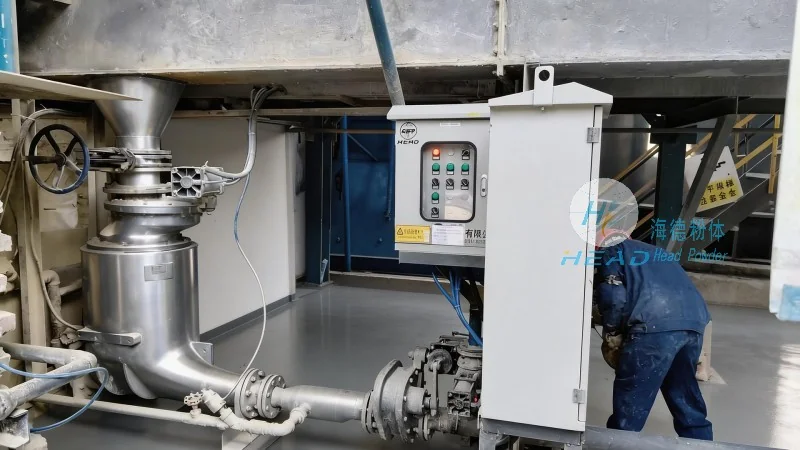
Shandong HeadPowder Engineering Co., Ltd., a company based in China, specializes in the design, manufacturing, and installation of pneumatic conveying systems for the sugar industry. With years of experience and a deep understanding of the unique challenges associated with handling bulk sugar, HeadPowder has developed a reputation for providing reliable and efficient solutions tailored to the specific needs of its clients.
HeadPowder's approach to sugar pneumatic conveying systems involves a comprehensive engineering process that begins with a thorough analysis of the client's requirements. This includes assessing the type and quantity of sugar to be handled, the distance and elevation changes involved, and any specific operational constraints or environmental considerations. Based on this analysis, the company designs a customized system that incorporates the latest technology and engineering principles to ensure optimal performance and longevity.
The company's engineers work closely with clients to select the appropriate components and system configuration. They consider factors such as the sugar's physical properties, the required conveying capacity, and the operational environment to design a system that meets all the client's needs. HeadPowder also provides comprehensive installation and commissioning services, ensuring that the system is properly set up and tested before it is put into operation.
HeadPowder's commitment to quality and customer satisfaction is evident in its approach to after-sales support. The company offers ongoing maintenance and technical support to ensure that the pneumatic conveying system continues to operate efficiently over its lifespan. This includes regular inspections, component replacement, and troubleshooting to address any issues that may arise. By providing comprehensive support, HeadPowder helps its clients maximize the performance and lifespan of their sugar handling systems.
Common Challenges and Solutions in Sugar Pneumatic Conveying
Despite the efficiency of pneumatic conveying systems, there are several common challenges that can affect their performance. These challenges include caking, moisture absorption, and blockages, all of which can impact the system's reliability and efficiency.
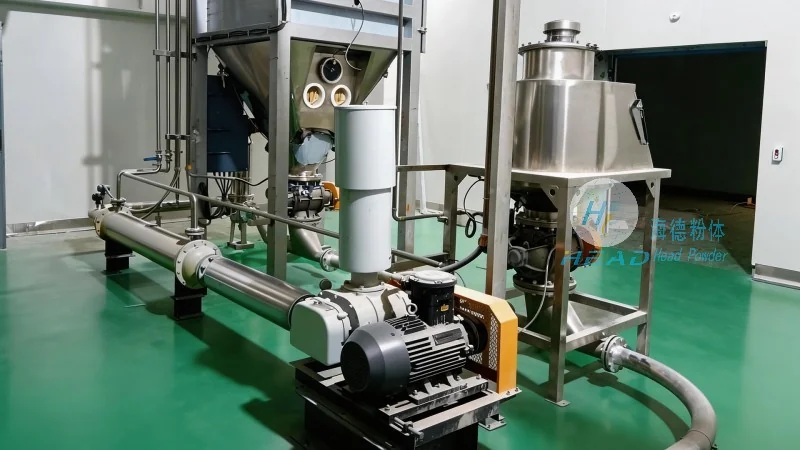
Caking is a common issue in sugar handling, where sugar particles stick together and form lumps. This can occur due to moisture absorption or changes in temperature and humidity. To prevent caking, the sugar is often stored in a dry, well-ventilated environment and the conveying system is designed to minimize exposure to air and moisture. The use of anti-caking agents or additives may also be considered to improve the flowability of the sugar.
Moisture absorption is another challenge, as sugar is hygroscopic and can absorb moisture from the air. This can lead to clumping and reduced flowability, which can affect the system's performance. The design of the storage silo and the conveying system should include measures to minimize moisture exposure, such as using airtight containers and maintaining low humidity levels in the storage area.
Blockages are a potential issue in any pneumatic conveying system, but they are particularly problematic with sugar due to its fine particle size and tendency to settle. To mitigate this risk, the system is designed with features such as regular cleaning cycles, the use of high-quality filters, and the incorporation of air knives or other devices to prevent material buildup. Additionally, the system may include sensors and alarms to detect blockages and alert operators to take corrective action.
By addressing these challenges through careful system design and maintenance, pneumatic conveying systems can provide a reliable and efficient solution for handling bulk sugar. The expertise of companies like Shandong HeadPowder Engineering Co., Ltd. is crucial in ensuring that these systems are designed and operated to meet the specific needs of the sugar industry, maximizing performance and minimizing downtime.