

What is a Yellow Sand Pneumatic Conveying System Equipment? What are its Design Principles?
Yellow sand pneumatic conveying systems are specialized equipment designed to transport yellow sand and similar bulk materials through a pipeline using air pressure. These systems are widely used in various industries, including construction, mining, and manufacturing, due to their efficiency and ability to handle abrasive or dusty materials. Understanding the components and design principles of such systems is crucial for optimizing material handling processes and ensuring operational reliability.
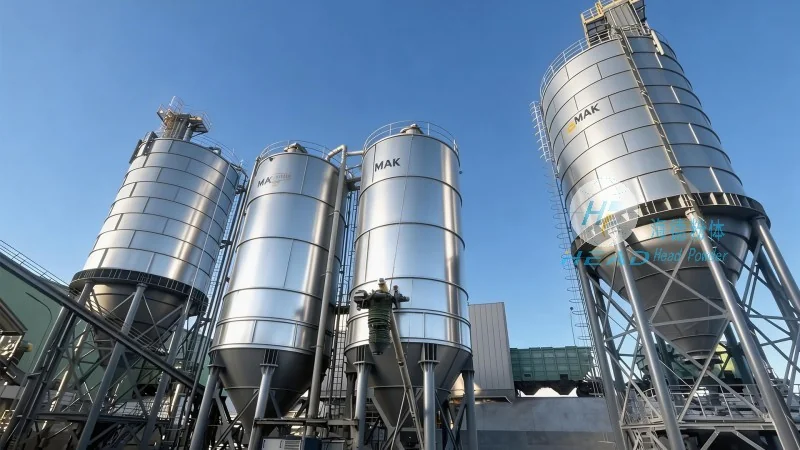
Key Components of Yellow Sand Pneumatic Conveying Systems
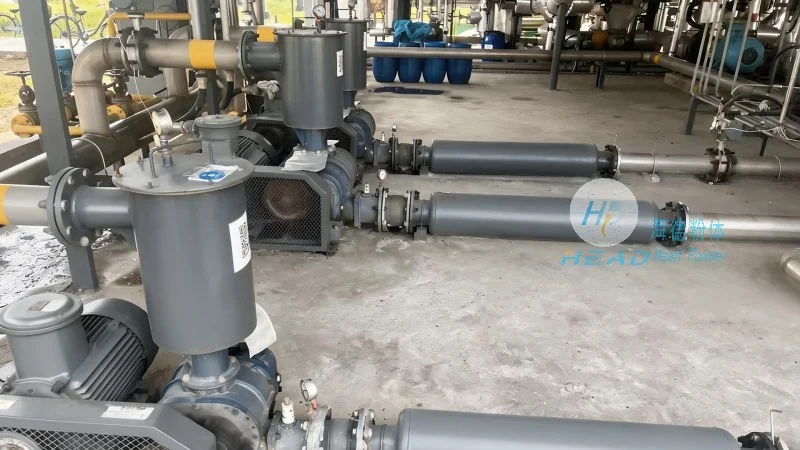
A typical yellow sand pneumatic conveying system consists of several key components that work together to facilitate material transport. The primary components include a material hopper, a rotary airlock valve, a pipeline system, a conveying air source (such as a blower or compressor), and a receiver or discharge unit. Each component plays a vital role in the overall functionality of the system.
Design Principles and Operational Mechanisms
The design of a yellow sand pneumatic conveying system is based on the principles of fluidization and pneumatic transport. The system operates by creating a low-pressure or high-pressure air stream within the pipeline, which lifts and transports the yellow sand particles. The material is introduced into the system through the hopper, and a rotary airlock valve controls the flow of material into the pipeline, preventing backflow and maintaining consistent material feed. The conveying air source provides the necessary pressure to move the material through the pipeline, while the receiver collects the material at the destination point.
Advantages of Using Pneumatic Conveying for Yellow Sand
Compared to traditional mechanical conveyor systems, yellow sand pneumatic conveying systems offer several advantages. These include the ability to transport materials over long distances without the need for multiple transfer points, reduced risk of material contamination due to enclosed pipelines, and lower maintenance requirements as there are fewer moving parts. Additionally, pneumatic systems can handle materials with high moisture content or those that are prone to caking, making them suitable for a wide range of applications.
About HeadPowder: A Leading Provider of Pneumatic Conveying Solutions
HeadPowder, the company behind the development and manufacturing of these systems, is a reputable enterprise based in Shandong, China. As Shandong HeadPowder Engineering Co., Ltd., the company specializes in designing, manufacturing, and supplying high-quality pneumatic conveying equipment tailored to the needs of various industries. With a strong commitment to innovation and customer satisfaction, HeadPowder has established itself as a trusted partner for businesses seeking reliable and efficient material handling solutions.
Customization and Application Flexibility
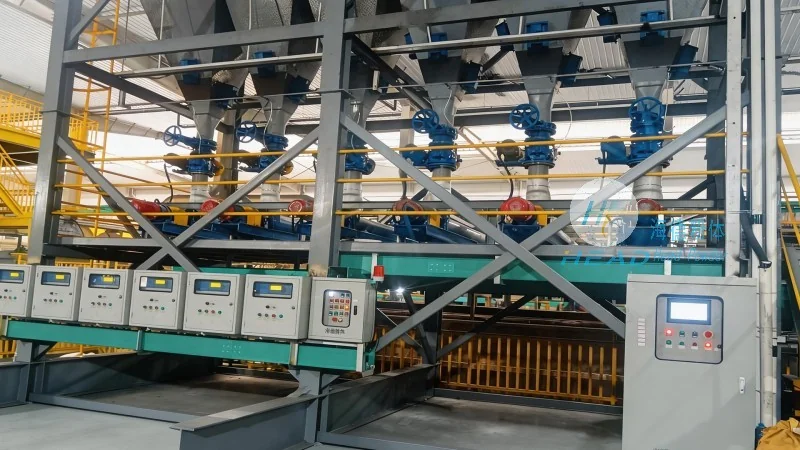
HeadPowder understands that different industries have unique material handling requirements. Therefore, the company offers customized yellow sand pneumatic conveying systems that can be tailored to specific process needs. Whether it's for short-distance transport or long-distance pipelines, HeadPowder's engineers work closely with clients to design systems that optimize material flow, minimize energy consumption, and ensure compliance with industry standards. The company's expertise in material science and pneumatic engineering enables it to develop solutions that address the specific challenges of handling yellow sand and other similar bulk materials.
Conclusion: Enhancing Efficiency with Pneumatic Conveying
In conclusion, yellow sand pneumatic conveying systems are essential equipment for efficient and reliable material transport in various industrial applications. The design principles and components of these systems are carefully engineered to ensure optimal performance and durability. With the support of companies like Shandong HeadPowder Engineering Co., Ltd., businesses can leverage advanced pneumatic conveying technology to improve their operational efficiency, reduce costs, and enhance overall productivity. By understanding the functionality and benefits of these systems, industries can make informed decisions to upgrade their material handling processes and stay competitive in today's market.