HeadPowder, a leading engineering company based in Shandong, China, specializes in the design and implementation of advanced pneumatic conveying systems for various industrial applications. This article provides a detailed explanation of the fundamental principles underlying the operation of a sulfate potash pneumatic conveying system, highlighting the key components, working mechanisms, and practical considerations for efficient material handling.
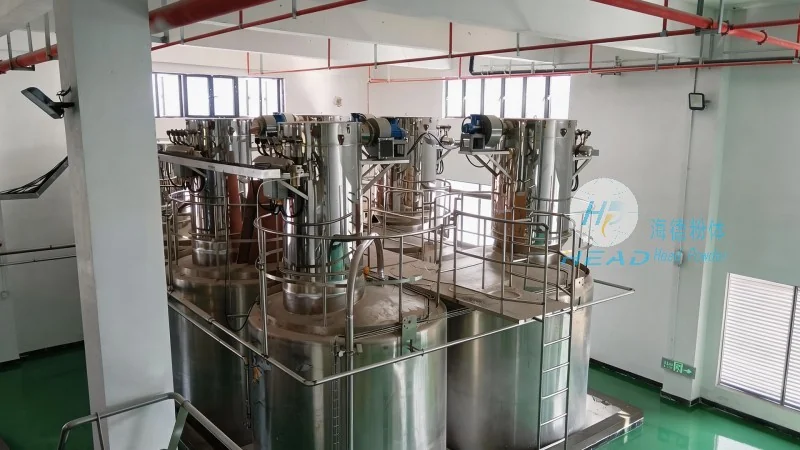
Core Components of the Sulfate Potash Pneumatic Conveying System
The sulfate potash pneumatic conveying system comprises several critical components that work in tandem to achieve effective material transport. The primary elements include a material hopper, a rotary airlock feeder, a positive displacement blower or a high-pressure air compressor, a conveying pipeline, and a receiver or discharge hopper. Each component plays a vital role in the overall system performance.
The material hopper is designed to store the sulfate potash, ensuring a consistent feed supply to the system. It is typically equipped with a level indicator to monitor the material inventory and prevent overfilling. The rotary airlock feeder, positioned at the bottom of the hopper, regulates the flow of material into the conveying line by controlling the rotation speed of its vanes. This component prevents backflow and maintains a steady flow rate, which is crucial for stable system operation.
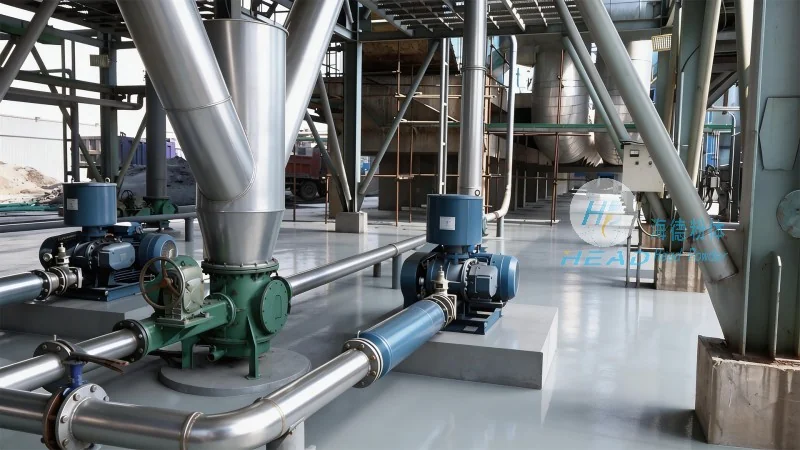
The positive displacement blower or air compressor is the heart of the pneumatic conveying system. It generates the necessary air pressure to move the material particles through the pipeline. The choice between a blower and a compressor depends on the system's pressure requirements and the distance over which the material needs to be conveyed. For long-distance or high-pressure applications, a high-pressure air compressor is often preferred, while a blower is suitable for shorter distances and lower pressure needs.
The conveying pipeline is constructed from durable materials such as stainless steel or PVC, which are resistant to corrosion and abrasion caused by the sulfate potash particles. The pipeline diameter and length are carefully selected based on the material's properties, flow rate, and the required conveying distance. Proper pipeline design minimizes pressure drop and ensures efficient material transport.
The receiver or discharge hopper is located at the end of the conveying line and is responsible for collecting the conveyed material. It is equipped with a discharge valve or outlet to allow the material to be transferred to the next processing stage. The receiver may also include a dust collection system to control airborne particles and maintain a clean working environment.
Working Principle of the Pneumatic Conveying Process
The operation of the sulfate potash pneumatic conveying system is based on the principle of air suspension, where the material particles are entrained and transported by the flowing air within the pipeline. The process begins when the rotary airlock feeder releases a controlled amount of material into the pipeline. Simultaneously, the blower or compressor supplies high-pressure air to the pipeline, creating a flow that lifts and carries the material particles.
As the air and material mixture moves through the pipeline, the particles are suspended in the air stream due to the upward force generated by the air velocity. The velocity of the air must be sufficient to overcome the gravitational force acting on the particles and maintain their suspension. The system's design ensures that the air velocity remains above the minimum conveying velocity required for each specific material, preventing particle deposition or blockage in the pipeline.
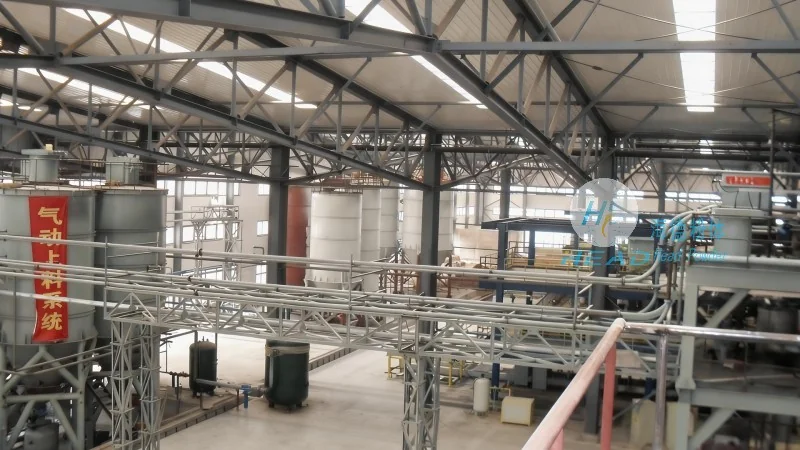
The conveying process continues until the material reaches the receiver or discharge hopper. At this point, the air velocity decreases, and the material particles settle out due to gravity. The air, now containing some residual dust, is typically directed to a dust filtration system to remove the particles before being discharged or recirculated back into the system. This filtration step is essential for maintaining air quality and preventing contamination in downstream processes.
Key Factors Influencing System Performance
Several factors significantly impact the performance and efficiency of the sulfate potash pneumatic conveying system. Understanding and optimizing these factors is crucial for achieving reliable and cost-effective material handling. The most critical factors include material properties, system pressure, conveying distance, and air flow rate.
Material properties, such as particle size, density, and moisture content, directly affect the system's operation. Larger or denser particles require higher air velocities and pressures to maintain suspension. Additionally, high moisture content can lead to clumping or agglomeration, which may cause blockages in the feeder or pipeline. Proper material preparation, such as drying or size reduction, is often necessary to mitigate these issues and ensure smooth system operation.
System pressure is another critical parameter that influences conveying efficiency. Higher pressure allows for longer conveying distances and can handle more challenging material characteristics. However, increasing pressure also raises energy consumption and equipment costs. Therefore, an optimal pressure level is determined based on the specific application requirements and material properties.
Conveying distance is a key factor that determines the system's design and component selection. Longer distances require higher air velocities and pressures to overcome the pressure drop along the pipeline. The pressure drop is influenced by factors such as pipeline length, diameter, and the number of bends or fittings. Proper pipeline design and the use of appropriate fittings can minimize pressure drop and improve system efficiency.
Air flow rate is directly related to the system's capacity and the amount of material that can be conveyed per unit time. The flow rate is determined by the blower or compressor's capacity and the system's pressure. Increasing the flow rate can enhance the conveying capacity but may also lead to higher energy consumption and potential particle degradation if the air velocity is too high.
Advantages of Pneumatic Conveying for Sulfate Potash
Pneumatic conveying systems offer several advantages over traditional mechanical conveying methods for handling sulfate potash. These benefits include reduced equipment wear and tear, improved safety, and enhanced flexibility in material handling. Unlike mechanical conveyors, which rely on moving parts such as belts or chains, pneumatic systems use air as the conveying medium, minimizing friction and wear on the equipment.
From a safety perspective, pneumatic conveying eliminates the need for moving parts that may pose a risk of entanglement or injury. The enclosed pipeline system also prevents dust exposure, reducing the risk of respiratory issues for workers. Additionally, the system can be easily integrated with dust collection and filtration systems, ensuring compliance with environmental regulations and maintaining a clean working environment.
Flexibility is another significant advantage of pneumatic conveying. The system can be easily reconfigured or expanded to accommodate changes in production requirements or material handling needs. The ability to transport material over long distances without the need for intermediate transfer points makes it ideal for large-scale industrial applications. Furthermore, the system can handle a wide range of material characteristics, including varying particle sizes and moisture contents, without significant performance degradation.
Applications and Industries
Sulfate potash pneumatic conveying systems are widely used in various industries where efficient material handling is critical. The primary applications include fertilizer production, chemical processing, and food processing. In the fertilizer industry, these systems are commonly used to transport sulfate potash from storage facilities to processing plants or to distribute it to agricultural fields.
In chemical processing, the system is employed to handle various chemical powders and granules, including sulfate-based compounds. The ability to transport materials in a closed system helps maintain product purity and prevents contamination from external sources. This is particularly important in pharmaceutical and food processing industries, where product quality and safety are paramount.
In the food processing industry, pneumatic conveying is used to transport ingredients such as potash or other mineral supplements. The system's hygienic design and ability to maintain product integrity make it suitable for handling food-grade materials. Additionally, the enclosed pipeline system helps prevent cross-contamination and ensures compliance with food safety regulations.
Maintenance and Operational Considerations
Proper maintenance and operational management are essential for ensuring the long-term reliability and efficiency of the sulfate potash pneumatic conveying system. Regular maintenance activities include inspecting and cleaning the rotary airlock feeder, checking the blower or compressor for wear and tear, and inspecting the pipeline for signs of corrosion or blockage.
The rotary airlock feeder is a critical component that requires regular maintenance to prevent material buildup and ensure consistent flow. Cleaning the feeder and its vanes periodically helps maintain its performance and prevent blockages. The blower or compressor should be inspected for signs of wear, such as increased vibration or noise, which may indicate the need for maintenance or replacement.
The pipeline system should be inspected regularly for any signs of wear or damage, particularly in areas with high abrasion or corrosion. The use of protective coatings or materials can extend the pipeline's lifespan and reduce maintenance costs. Additionally, monitoring the system's pressure and flow rates can help identify any performance issues early, allowing for timely maintenance and preventing system downtime.




