

Main Structures of Air-Flow Conveying for Styrene
Styrene, a vital monomer used in the production of polymers and resins, requires efficient and reliable transportation methods to move it from storage to processing units. Air-flow conveying, a pneumatic conveying system, offers a solution that minimizes material degradation and ensures consistent flow. The key structures in such systems are engineered to handle the specific properties of styrene, including its density, viscosity, and susceptibility to heat and pressure changes. Understanding these structures is essential for optimizing the conveying process and maintaining product quality. As a leading engineering company, Shandong HeadPowder Engineering Co., Ltd. specializes in designing and manufacturing air-flow conveying systems tailored to the unique needs of styrene handling.
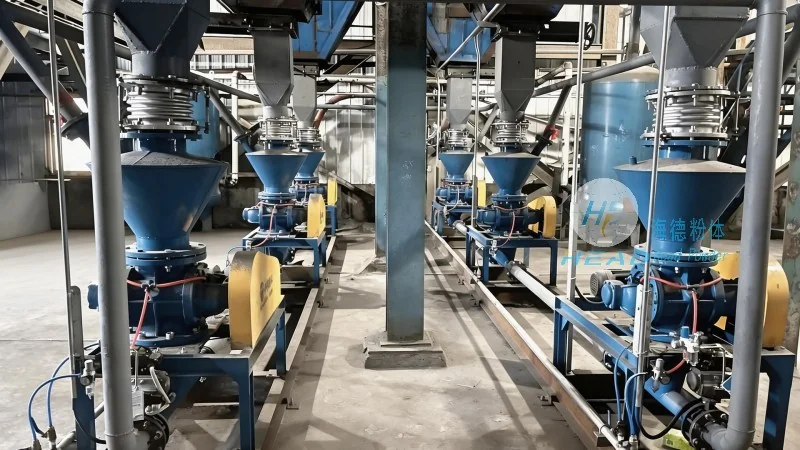
Key Components of Styrene Air-Flow Conveying Systems
The air-flow conveying system for styrene typically consists of several core components that work in tandem to ensure efficient material transport. These components are designed to handle the unique characteristics of styrene, such as its potential for polymerization under adverse conditions. The primary components include the material feed hopper, the conveying line, and the receiver. Each component is constructed from materials that resist corrosion and heat, ensuring durability and long-term performance. The system is also equipped with control and monitoring devices to maintain optimal operation.
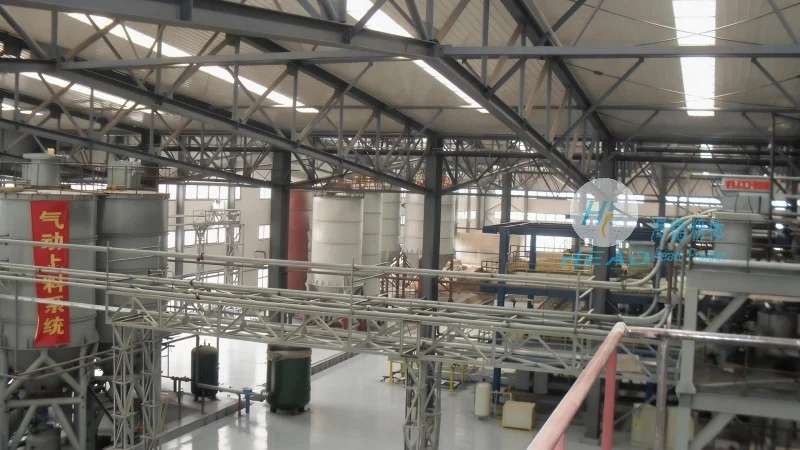
Material Feed Hopper and Feeder System
The material feed hopper is a critical component in the air-flow conveying system for styrene. It is responsible for storing the raw material and regulating the flow rate into the conveying line. The hopper is typically made of stainless steel or other corrosion-resistant materials to prevent contamination and maintain the purity of the styrene. The feeder system, often a rotary valve or a screw feeder, controls the discharge rate from the hopper, ensuring a consistent flow of material into the conveying line. This component is crucial for maintaining the stability of the conveying process and preventing blockages or uneven flow. The design of the hopper and feeder is optimized to handle the specific bulk density and flow characteristics of styrene.
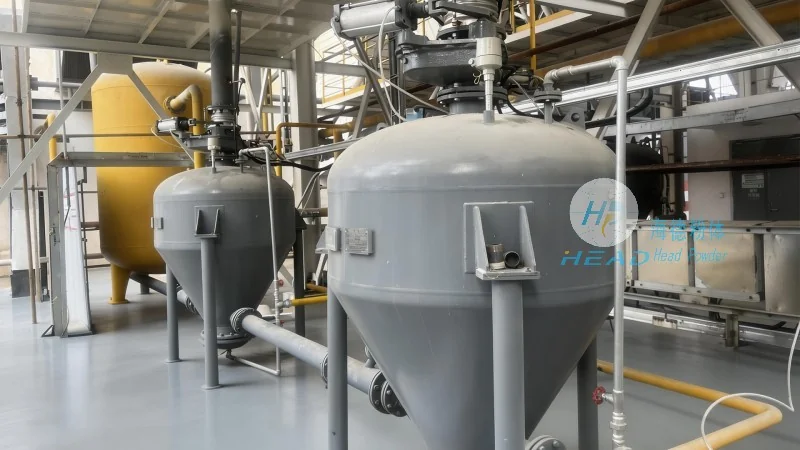
Conveying Line and Air Distribution System
The conveying line is the main pathway for transporting styrene from the feed hopper to the receiver. It is usually made of flexible or rigid tubing, depending on the system design and the distance to be covered. The line is designed to handle low-pressure air flow, which is essential for preventing the degradation of styrene. The air distribution system, which includes air pipes and control valves, regulates the air pressure and flow rate within the line. This system ensures that the air moves the styrene particles efficiently without causing excessive turbulence or heat buildup. The design of the conveying line, including the diameter and material, is optimized to minimize pressure drop and maintain consistent flow rates. The air distribution system is also equipped with filters to remove any contaminants from the air, ensuring the purity of the conveyed material.
Receiver and Material Discharge System
The receiver is the final component in the air-flow conveying system, responsible for collecting the styrene at the processing unit. It is typically a storage tank or a hopper that can be integrated with the downstream equipment. The receiver is designed to handle the incoming material flow and ensure that it is discharged smoothly into the processing line. The material discharge system, which may include a rotary valve or a gate valve, controls the release of the styrene from the receiver. This component is crucial for preventing spills and ensuring that the material is transferred to the next stage of production without interruption. The receiver is also equipped with level indicators and pressure sensors to monitor the material level and system performance. These sensors provide real-time data to the control panel, allowing operators to adjust the system parameters as needed.
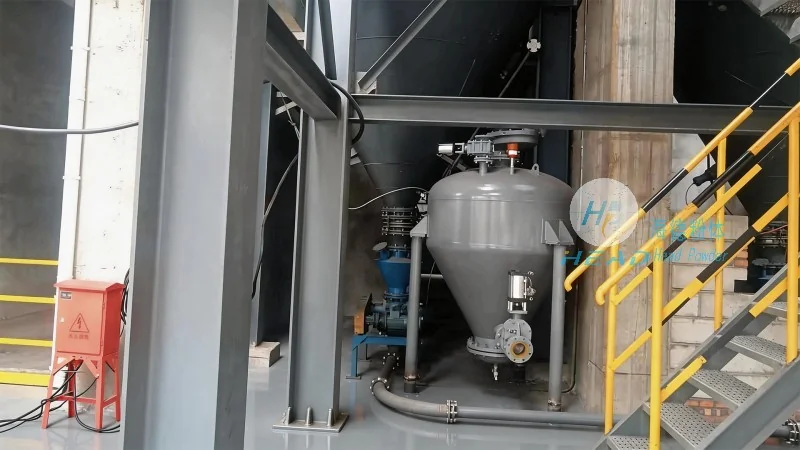
Control and Monitoring Systems
Modern air-flow conveying systems for styrene are equipped with advanced control and monitoring systems to ensure optimal operation. These systems include sensors that monitor air pressure, flow rate, and material level, providing real-time data to the control panel. The control panel allows operators to adjust the system parameters, such as air pressure and flow rate, to maintain the desired conveying conditions. The monitoring systems also include alarms and alerts that notify operators of any deviations from the normal operating conditions, such as low material levels or high pressure drops. This ensures that the system operates efficiently and safely, minimizing downtime and maximizing productivity. The control system is designed to be user-friendly, with clear displays and intuitive controls, making it easy for operators to manage the conveying process.