HeadPowder, a leading manufacturer based in Shandong, China, specializes in the design and production of advanced pneumatic conveying systems. This article provides an overview of the small bag quantitative feeding pneumatic conveying machine, focusing on its structure and operational principles to help users understand its functionality and applications.
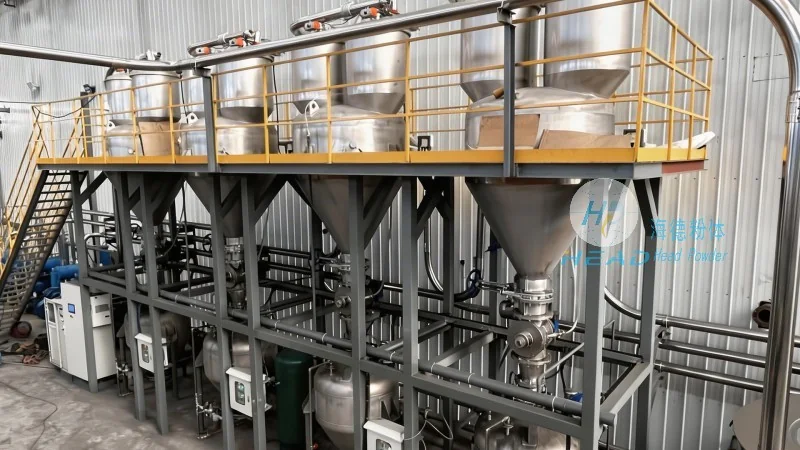
Overview of the Small Bag Quantitative Feeding Pneumatic Conveying Machine
The small bag quantitative feeding pneumatic conveying equipment is a specialized device designed for efficient and precise material handling. It is particularly suitable for industries that require the transfer of powders or granules from small bags into a processing system. The machine integrates feeding, conveying, and dosing functions in a compact and reliable unit, making it an ideal solution for applications where accuracy and consistency are critical.
Key Components and Structure
The small bag quantitative feeding pneumatic conveying machine consists of several key components that work together to achieve its operational goals. The main parts include the bag opening mechanism, the material feeding hopper, the airlock valve, the conveying pipeline, and the dust collection system. Each component is carefully designed to ensure smooth material flow and minimal loss.
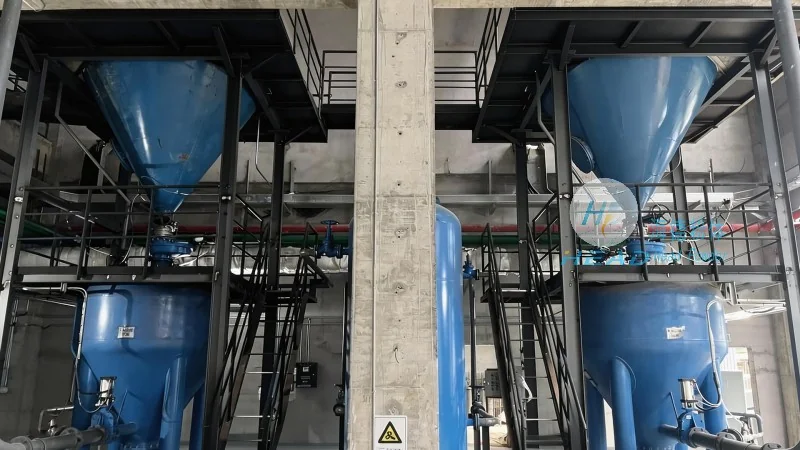
The bag opening mechanism is responsible for breaking the seal of the small bag and releasing the material inside. It typically uses a mechanical or pneumatic system to cut or tear the bag open, allowing the material to fall into the feeding hopper. The feeding hopper is equipped with a level sensor and a dosing valve that controls the amount of material released into the conveying system. The airlock valve acts as a check valve to prevent backflow and maintain a consistent pressure in the system. The conveying pipeline transports the material from the feeding hopper to the destination, using compressed air or a vacuum system to move the material. The dust collection system is integrated to capture any airborne particles and ensure a clean working environment.
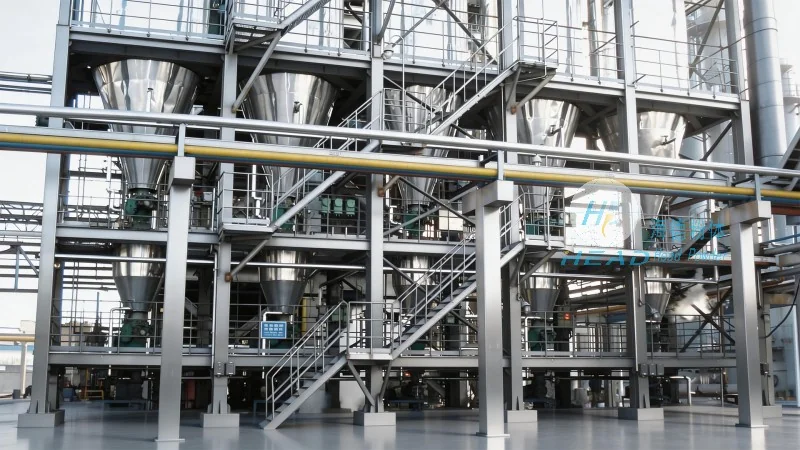
Working Principle of the Pneumatic Conveying System
The operation of the small bag quantitative feeding pneumatic conveying machine is based on the principles of pneumatic conveying, which uses air to transport solid materials. The process begins with the bag opening mechanism releasing the material into the feeding hopper. The level sensor detects the material level and triggers the dosing valve to open, allowing a precise amount of material to enter the conveying pipeline. The airlock valve then closes to prevent material from returning to the hopper. Compressed air is then introduced into the pipeline, creating a pressure differential that propels the material forward. The material is carried by the air stream through the pipeline to the discharge point, where it is collected and used in the next stage of the production process.
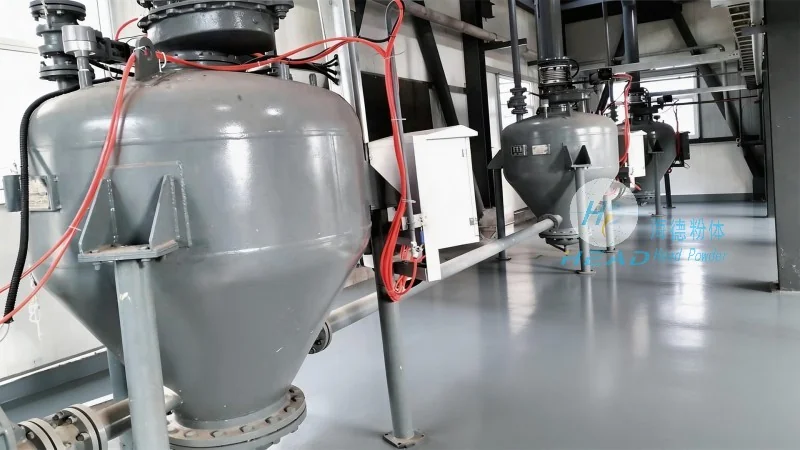
Advantages and Applications
The small bag quantitative feeding pneumatic conveying machine offers several advantages that make it a preferred choice in various industries. Its compact design allows for easy installation in limited spaces, while the precise dosing capability ensures consistent material flow, reducing waste and improving product quality. The machine is also highly efficient, as it can handle large volumes of material with minimal energy consumption. It is commonly used in industries such as pharmaceuticals, food processing, chemical manufacturing, and mining, where the handling of powders and granules is essential.
Conclusion
In conclusion, the small bag quantitative feeding pneumatic conveying machine is a reliable and efficient solution for material handling applications. With its advanced structure and working principle, it provides accurate dosing and smooth material transfer, making it an indispensable tool in modern industrial processes. HeadPowder, as a reputable manufacturer based in Shandong, China, continues to innovate and improve its products to meet the evolving needs of the market.




