Wheat flour pneumatic conveying systems are critical for efficient material handling in the flour milling industry. These systems utilize air to transport bulk materials like wheat flour, offering advantages such as reduced contamination, improved safety, and enhanced process control. The choice between positive pressure and negative pressure conveying modes significantly impacts system performance, energy consumption, and operational costs. This article provides a technical analysis of both approaches, highlighting their key characteristics, applications, and suitability for wheat flour handling.
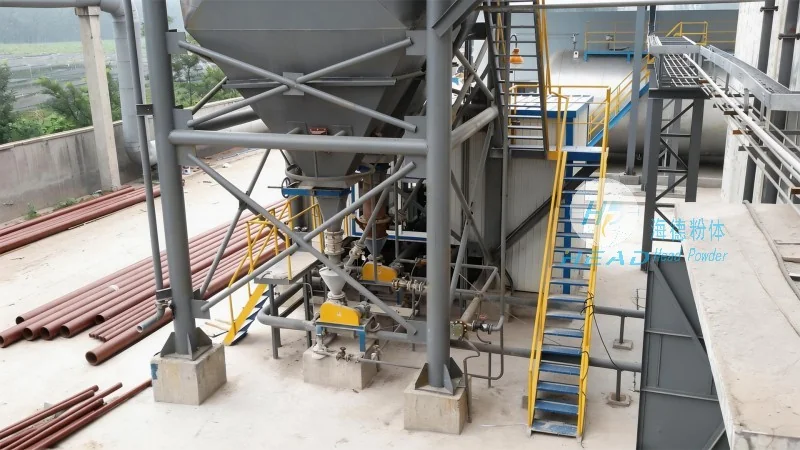
Introduction to Pneumatic Conveying Systems in Wheat Flour Processing
Pneumatic conveying systems are widely used in the flour milling sector to transport wheat flour from storage silos to processing units, packaging lines, or other destinations. Unlike mechanical conveyors, which rely on physical components like belts or buckets, pneumatic systems use air pressure to move materials. This method is particularly beneficial for handling fine, dusty materials like wheat flour, as it minimizes product degradation and contamination from external sources. The primary goal of these systems is to achieve reliable, continuous material transport while maintaining product quality and operational efficiency.
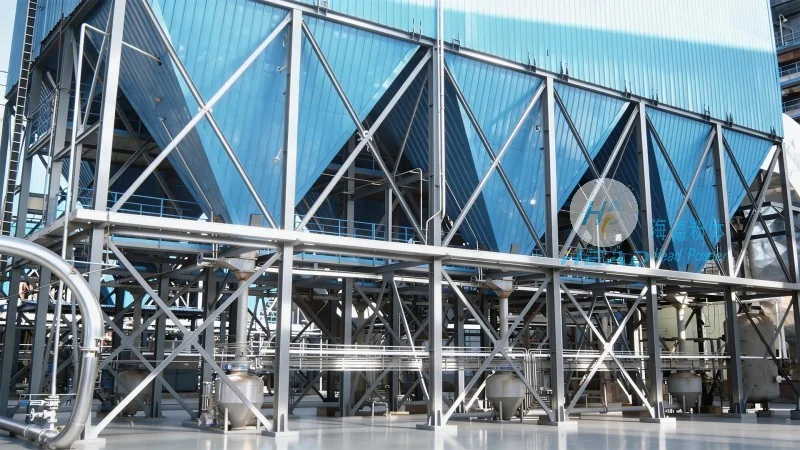
Positive Pressure Conveying Mode: Advantages and Applications
Positive pressure conveying operates by generating high-pressure air within the conveying line, which forces the material to move through the system. This mode is often preferred for long-distance or high-capacity applications due to its ability to handle larger volumes and overcome significant pressure drops. In the context of wheat flour, positive pressure systems are commonly used for transporting flour from storage silos to large-scale processing facilities or for long-distance transfers between different parts of a mill. One of the key advantages of positive pressure is its robustness; the system can handle a wide range of material properties, including varying moisture content and particle sizes, without compromising performance. Additionally, positive pressure systems typically require less maintenance compared to negative pressure systems, as they have fewer moving parts and are less susceptible to clogging from dust accumulation.
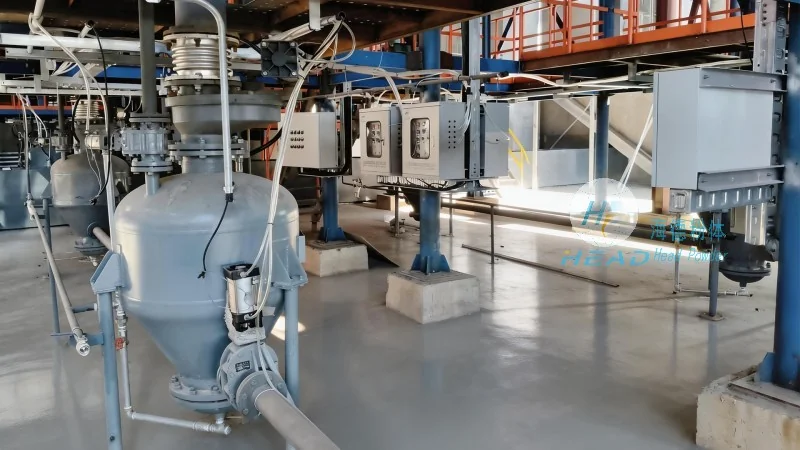
Negative Pressure Conveying Mode: Benefits and Use Cases
Negative pressure conveying, also known as vacuum conveying, works by creating a low-pressure environment within the conveying line, which draws material into the system. This mode is particularly suitable for short-distance or low-capacity applications, such as transferring flour from a small storage bin to a processing unit or for handling materials that are sensitive to high air velocities. Negative pressure systems are often preferred for their ability to handle fine, powdery materials without causing excessive dust dispersion. They are also more energy-efficient for short distances, as they require less power to maintain the vacuum compared to the high-pressure air needed for positive pressure systems. However, negative pressure systems may face challenges with material clogging, especially when handling high-moisture or sticky flour, as the low pressure can lead to increased dust accumulation in the system.




