Calcium carbonate (CaCO₃) is a widely used industrial material, often found in applications ranging from construction materials to plastics and coatings. Efficient handling and transportation of calcium carbonate powder are critical for maintaining production efficiency and product quality. This document provides an overview of calcium carbonate powder handling systems, detailing their structural components and operational principles.
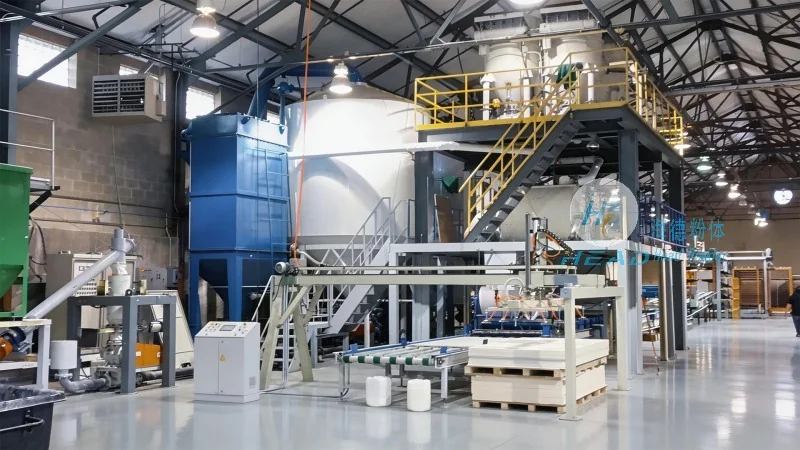
HeadPowder: A Leading Manufacturer in Powder Handling Solutions
HeadPowder, or Shandong HeadPowder Engineering Co., Ltd., is a company based in Shandong, China, specializing in the design, manufacturing, and integration of advanced powder handling systems. With a focus on precision and reliability, HeadPowder serves industries that rely on consistent and safe calcium carbonate powder transport. The company's expertise lies in developing customized solutions tailored to the specific needs of clients, ensuring optimal performance in diverse operational environments.
Structural Components of Calcium Carbonate Powder Handling Systems
The typical calcium carbonate powder handling system comprises several key components that work in concert to facilitate the movement, storage, and processing of the material. These components include:
1. Storage Silos: Large-capacity silos are used to store bulk calcium carbonate powder. These silos are often equipped with aeration systems to prevent caking and maintain material flowability. The design of the silo, including its shape and internal lining, is critical to prevent material degradation and ensure smooth discharge.
2. Pneumatic Conveying Equipment: For long-distance or high-velocity transport, pneumatic conveying systems are commonly employed. These systems use air pressure to move powder through pipelines. Key components include feeders, air movers (such as blowers or compressors), and pipeline networks. The choice between positive and negative pressure systems depends on the application and material characteristics.
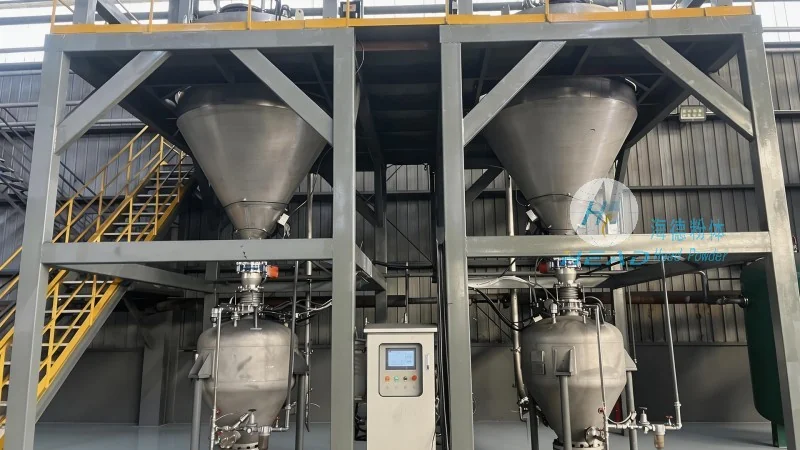
3. Rotary Valves and Feeders: These devices control the flow rate of calcium carbonate from the storage silo to the conveying system. Rotary valves provide a controlled, metered discharge, preventing overfilling or underfilling. Feeders, such as screw or vibratory types, ensure consistent material delivery to the pneumatic system.
4. Control Systems: Modern powder handling systems are equipped with advanced control panels that monitor and regulate various parameters. These systems include sensors for level, pressure, and flow, as well as programmable logic controllers (PLCs) that automate the operation of the entire system. The control system ensures that the process runs smoothly, with minimal human intervention and maximum safety.
Working Principles of Calcium Carbonate Powder Handling Systems
The operational principle of a calcium carbonate powder handling system involves a sequence of steps that ensure the material is transported from the storage silo to the processing equipment efficiently and safely. The process typically begins with the material being discharged from the storage silo into a feeder. The feeder then meters the powder at a consistent rate, feeding it into the pneumatic conveying line.
The pneumatic conveying system then uses compressed air to transport the calcium carbonate powder through the pipeline network. The air pressure and flow rate are carefully controlled to maintain the material in a suspended state, preventing blockages and ensuring uniform distribution. At the destination, the powder is discharged into a receiver or processing unit, where it may be further processed or used in the final product.
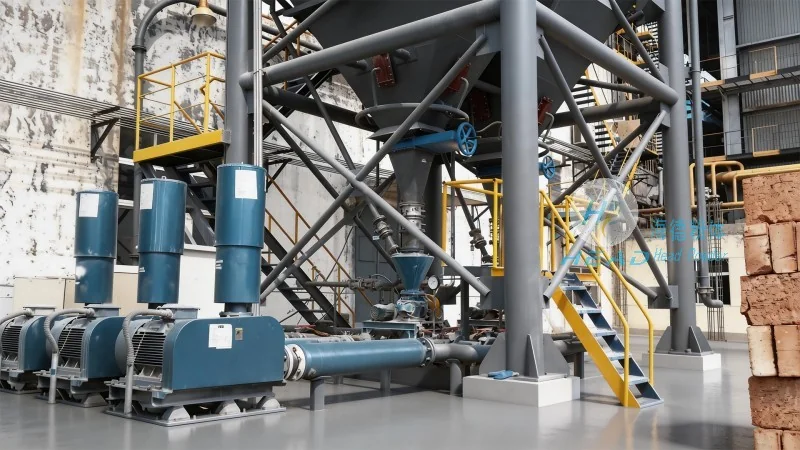
Key to the system's effectiveness is the integration of all components. The control system continuously monitors the pressure, flow, and level of the system, adjusting the air flow and feeder speed as needed to maintain optimal performance. This closed-loop control ensures that the system operates within safe and efficient parameters, minimizing downtime and maximizing productivity.
Advantages of Advanced Calcium Carbonate Powder Handling Systems
Modern calcium carbonate powder handling systems offer several advantages over traditional methods. These include:
1. Increased Efficiency: Automated control systems and optimized flow rates reduce the time required for material transport, leading to higher production throughput.
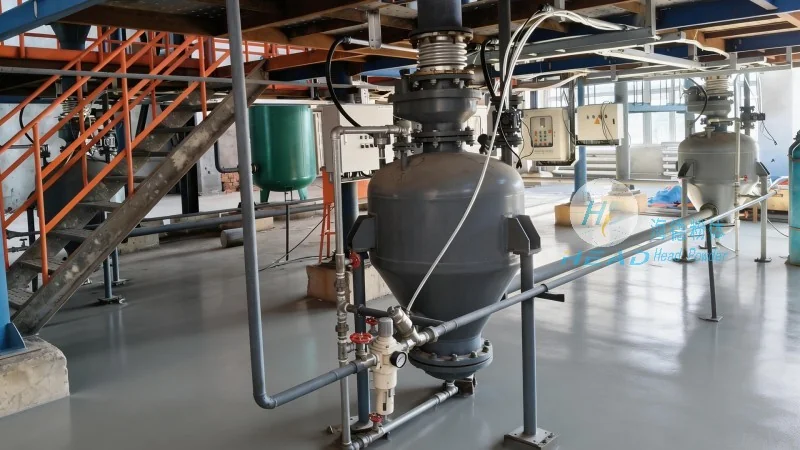
2. Improved Safety: Enclosed systems and automated controls minimize the risk of dust exposure and material spills, creating a safer working environment.
3. Reduced Downtime: Precise control and monitoring prevent system failures, reducing maintenance and repair time.
4. Customization: HeadPowder's ability to design customized systems ensures that the solution meets the specific requirements of each client, whether for small-scale or large-scale operations.
Conclusion
Calcium carbonate powder handling systems are essential for industries that rely on consistent and reliable material transport. The structural components and operational principles of these systems are designed to maximize efficiency, safety, and product quality. HeadPowder, with its expertise in powder handling technology, provides tailored solutions that address the unique needs of clients, ensuring optimal performance in the handling of calcium carbonate powder.




