Calcium carbide slag is a byproduct generated during the production of calcium carbide, a key chemical used in various industrial applications such as steelmaking, chemical synthesis, and metallurgy. The efficient handling and transportation of this powder material are crucial for industrial operations, as improper handling can lead to material loss, environmental contamination, and operational inefficiencies. This article provides an overview of the calcium carbide slag powder conveying system, detailing its structural components and working principles to help industrial professionals understand its functionality and benefits.
Key Components of the Powder Conveying System
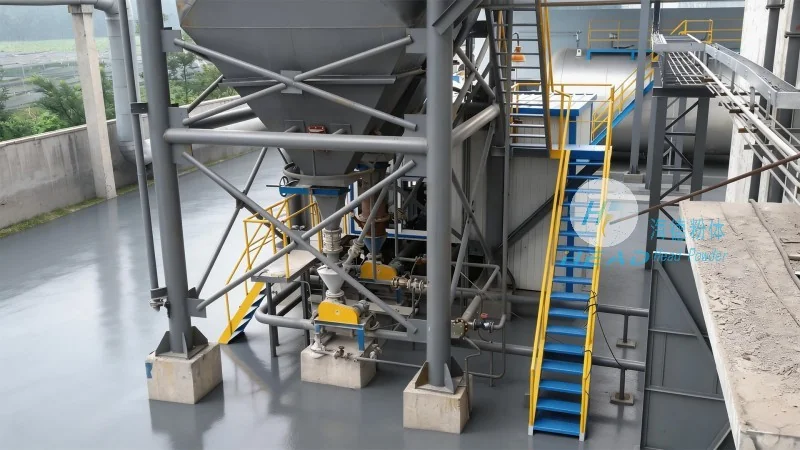
The calcium carbide slag powder conveying system is designed to transport fine powder materials over long distances with minimal loss and high efficiency. The system typically consists of several core components that work in tandem to ensure smooth operation. The primary components include a hopper for material storage, a feeder to control the flow rate, a conveying pipeline (often made of corrosion-resistant materials like stainless steel or special plastics to handle the chemical properties of the slag), a drive unit (such as a motor and gearbox) to generate the necessary force for material movement, and a control system to regulate the entire process. The hopper is equipped with a discharge valve or gate to control the initial material flow, while the feeder ensures a consistent and controlled feed rate into the pipeline. The pipeline may feature bends and vertical sections, requiring additional components like expansion joints or support structures to accommodate thermal expansion and maintain structural integrity. The drive unit provides the mechanical energy to move the material through the pipeline, often using a screw conveyor, pneumatic blower, or air slide system depending on the specific design. The control system integrates sensors and controllers to monitor parameters such as pressure, flow rate, and temperature, ensuring the system operates within safe and efficient parameters.
Working Principle of the Conveying System
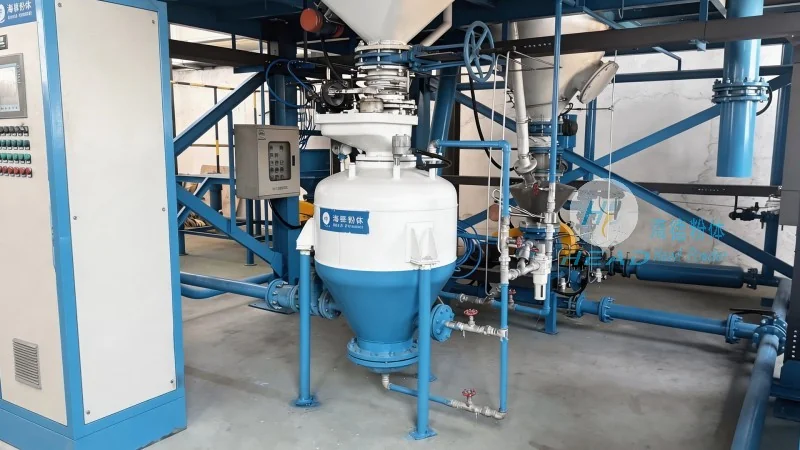
The working principle of the calcium carbide slag powder conveying system is based on the transfer of material from the source to the destination through a sealed pipeline. The process begins with the material being fed from the hopper into the feeder, which regulates the flow rate to prevent overloading or underflow. The feeder then delivers the material into the conveying pipeline, where it is propelled by the drive unit. In a screw conveyor system, for example, a rotating screw (auger) inside the pipeline pushes the material forward, while the pipeline's slight incline ensures continuous movement. The drive unit, usually a motor connected to a gearbox, provides the rotational force to the screw, maintaining a consistent speed to achieve the desired conveying rate. The control system plays a critical role by adjusting the motor speed or feed rate based on real-time feedback from sensors. These sensors may include pressure transducers to monitor pipeline pressure, flow meters to measure material throughput, and temperature sensors to detect any overheating or material degradation. The system operates under a closed-loop control, where the control unit continuously adjusts the input parameters to maintain stable operation and prevent issues such as blockages or material spillage. The entire process is designed to be energy-efficient and reliable, minimizing downtime and maximizing material throughput. The sealed pipeline design also helps in controlling dust emissions, ensuring compliance with environmental regulations and maintaining a safe working environment for personnel.
HeadPowder: Expert in Calcium Carbide Slag Handling Solutions
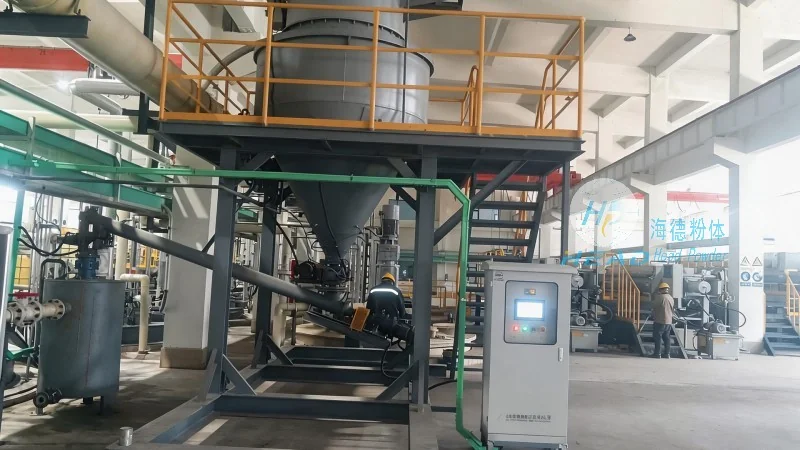
Shandong HeadPowder Engineering Co., Ltd., commonly known as HeadPowder, is a leading manufacturer and supplier of specialized powder handling equipment, including calcium carbide slag conveying systems. With headquarters in Shandong, China, HeadPowder has established itself as a trusted partner for industrial clients seeking efficient and reliable solutions for handling fine powder materials. The company specializes in designing and manufacturing customized conveying systems tailored to the specific requirements of clients, considering factors such as material properties, conveying distance, and operational conditions. HeadPowder's team of engineers and technicians leverages advanced technology and extensive industry experience to develop systems that meet or exceed industry standards. The company's products are known for their durability, efficiency, and ease of maintenance, ensuring long-term performance and minimal operational costs. HeadPowder provides comprehensive support to clients, including system design, installation, and after-sales service, ensuring that clients receive end-to-end solutions that address their unique needs. The company's commitment to quality and customer satisfaction has earned it a strong reputation in the industry, with clients ranging from chemical plants to metallurgical facilities relying on HeadPowder's expertise for their powder handling requirements. By combining innovative design with practical application, HeadPowder continues to deliver high-quality calcium carbide slag conveying systems that enhance operational efficiency and reduce material handling costs for its clients.
Benefits of Using a Calcium Carbide Slag Powder Conveying System
Implementing a calcium carbide slag powder conveying system offers numerous benefits for industrial operations. One of the primary advantages is the reduction in material loss and environmental contamination. The sealed pipeline design prevents dust emissions and material spillage, ensuring compliance with environmental regulations and maintaining a clean working environment. This not only reduces the risk of health hazards for personnel but also minimizes the need for additional dust control measures, such as filtration systems or containment structures. Another key benefit is the improvement in operational efficiency. The system allows for continuous and automated material transport, reducing the need for manual handling and labor-intensive processes. This leads to increased productivity and reduced downtime, as the system can operate 24/7 with minimal supervision. The consistent flow rate and controlled feeding ensure that the material is delivered to the destination in a uniform manner, avoiding variations in quality or processing. This is particularly important for applications where the slag is used as a raw material, as consistent quality is essential for downstream processes. Additionally, the system's energy efficiency contributes to cost savings. By optimizing the drive unit and control system, the conveying process consumes less energy compared to traditional methods like manual handling or bucket elevators. This reduces operational costs and lowers the carbon footprint of the facility, aligning with sustainability goals. The durability of the system components, such as corrosion-resistant pipelines and robust drive units, ensures long service life and minimal maintenance requirements, further enhancing the overall cost-effectiveness of the system. Overall, the calcium carbide slag powder conveying system provides a reliable, efficient, and environmentally friendly solution for handling this fine powder material, contributing to improved operational performance and reduced costs for industrial clients.
Conclusion
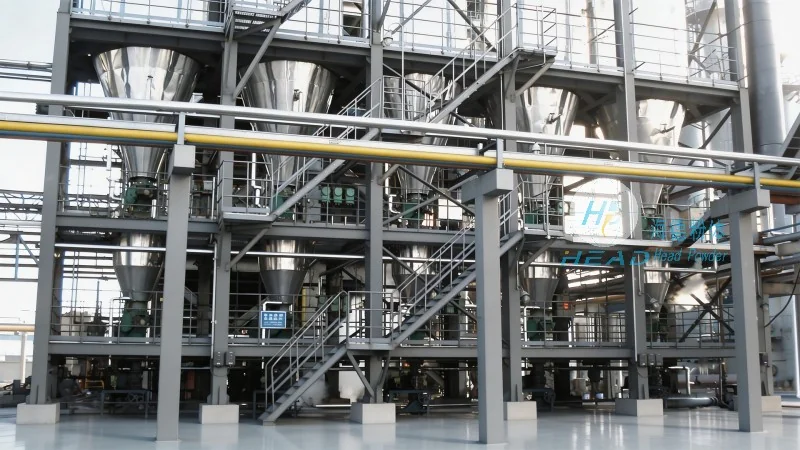
In conclusion, the calcium carbide slag powder conveying system is a critical component in industrial operations that handle calcium carbide slag. Its design and working principles are tailored to efficiently transport fine powder materials while minimizing loss and environmental impact. The system's components, including the hopper, feeder, pipeline, drive unit, and control system, work together to ensure smooth and continuous operation. HeadPowder, as a leading manufacturer, provides high-quality solutions that meet the specific needs of clients, enhancing operational efficiency and sustainability. The benefits of implementing such a system include reduced material loss, improved environmental compliance, increased productivity, and cost savings. As industrial operations continue to evolve, the importance of efficient powder handling systems like the calcium carbide slag conveying system will only grow, making it a valuable investment for any facility dealing with this material. By understanding the structure and working principles of the system, industrial professionals can make informed decisions about implementing such solutions to enhance their operational performance and achieve their business goals.




