HeadPowder, a leading provider in the field of material handling solutions, specializes in advanced pneumatic conveying systems tailored for processing PUR (polyurethane) materials. This article delves into the operational process and underlying principles of PUR material pneumatic conveying, highlighting the technical aspects and practical applications that define this efficient method of material transport.
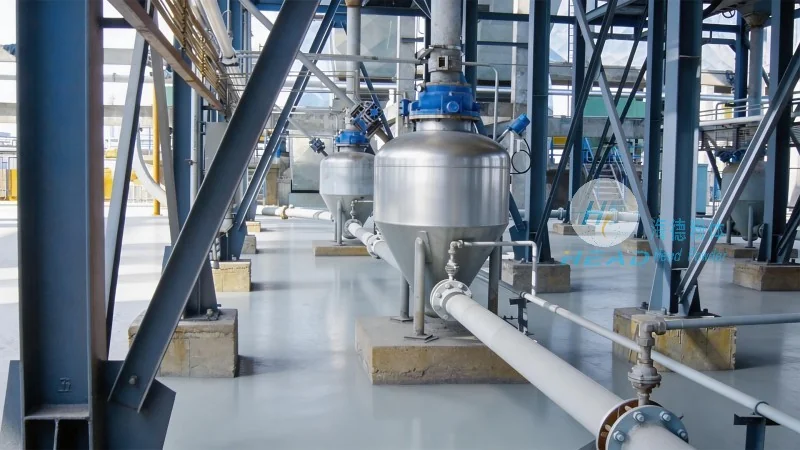
PUR Material Pneumatic Conveying: An Overview
PUR, or polyurethane, is a versatile polymer widely used in various industries, including automotive, construction, and manufacturing, due to its excellent mechanical properties and adaptability. When handling PUR materials, traditional methods like belt conveyors or manual handling may pose challenges such as dust generation, material degradation, or inefficient transport. Pneumatic conveying offers a solution by utilizing air to move PUR particles through a closed system, ensuring a clean, controlled, and efficient transfer process.
The Operational Process of PUR Material Pneumatic Conveying
The operation of a PUR material pneumatic conveying system involves several key steps, each designed to ensure optimal performance and material integrity. The process typically begins with the material being fed into a hopper or feeder, where it is then introduced into the conveying line. Compressed air is then introduced into the system, creating a flow that propels the PUR particles through the pipeline. The conveying line may include components such as cyclones, filters, and receivers to manage the material flow and separate any air from the product.
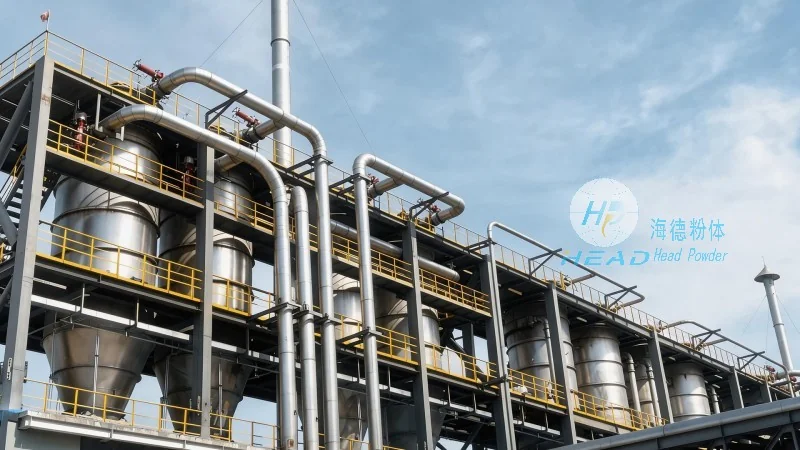
Working Principle of PUR Material Pneumatic Conveying
The core principle behind pneumatic conveying is the use of differential pressure to move material. In a positive pressure system, compressed air is supplied to the conveying line, creating a pressure higher than the ambient air, which forces the PUR particles to move along the pipeline. Conversely, in a negative pressure (or vacuum) system, the air is drawn out of the line, creating a lower pressure that pulls the material. For PUR materials, positive pressure systems are often preferred due to their ability to handle a wider range of particle sizes and material types, while maintaining consistent flow rates.
Key Components and Their Roles in PUR Material Pneumatic Conveying
Several critical components work in tandem to ensure the smooth operation of a PUR material pneumatic conveying system. The feeder or hopper is responsible for feeding the PUR material into the system at a controlled rate, preventing overloading and ensuring consistent flow. The air compressor or blower provides the necessary compressed air, with adjustable pressure and flow rates to match the material characteristics. The conveying line, often made of stainless steel or other corrosion-resistant materials, is designed to withstand the abrasive nature of PUR particles and maintain airtight integrity. Cyclones and filters are essential for separating the PUR material from the air, ensuring that the material is collected in the receiver while the air is either recirculated or vented. The receiver or storage tank holds the conveyed PUR material, ready for subsequent processing or use.
Advantages of PUR Material Pneumatic Conveying
Pneumatic conveying offers numerous advantages when handling PUR materials. One of the primary benefits is the ability to maintain a clean and dust-free environment, as the material is contained within the system and not exposed to the air. This reduces the risk of contamination and improves workplace safety. Additionally, pneumatic conveying systems are highly efficient, capable of transporting large volumes of PUR material over long distances with minimal energy consumption. The system also allows for precise control over the material flow rate and pressure, ensuring consistent processing and reducing the risk of material degradation or clogging. Furthermore, the enclosed system design minimizes material loss and environmental impact, making it an environmentally friendly option for PUR material handling.
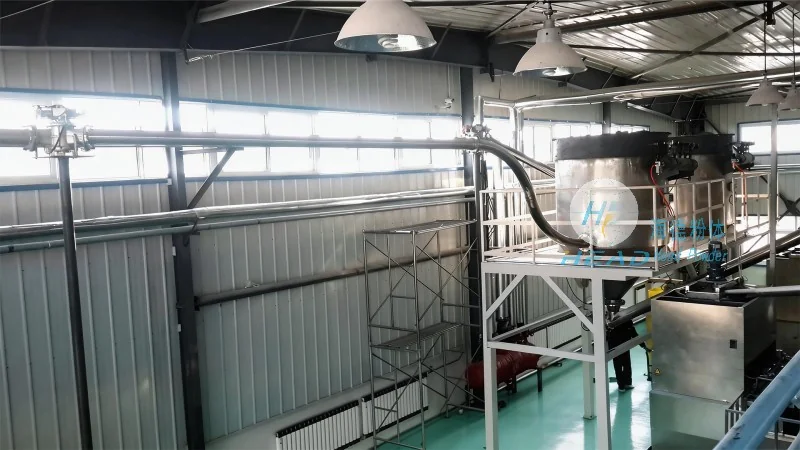
Applications of PUR Material Pneumatic Conveying
PUR material pneumatic conveying systems are widely used in various industrial applications. In the automotive industry, they are employed to transport PUR foam or granules for use in seat cushions, insulation, and other components. In the construction sector, they are used to convey PUR resins and additives for spray foam insulation applications. Manufacturing facilities also utilize these systems to transport PUR powders or pellets for injection molding or extrusion processes. The versatility of pneumatic conveying makes it suitable for a wide range of PUR material types and processing requirements, from fine powders to larger granules.
Conclusion
HeadPowder's expertise in PUR material pneumatic conveying systems provides industries with a reliable and efficient solution for handling polyurethane materials. By understanding the operational process and working principles of these systems, businesses can optimize their material handling processes, improve productivity, and ensure product quality. The combination of advanced technology, robust components, and professional engineering makes pneumatic conveying an ideal choice for PUR material transport, supporting the needs of modern manufacturing and processing industries.




