

Operation Process and Working Principle of Graphite Powder Material Conveying Line
Shandong HeadPowder Engineering Co., Ltd. specializes in the design, manufacturing, and installation of advanced material conveying systems, including specialized equipment for handling graphite powder. With a focus on precision and efficiency, the company's solutions are tailored to meet the unique challenges of transporting fine powders like graphite, ensuring minimal loss and optimal performance in industrial applications.
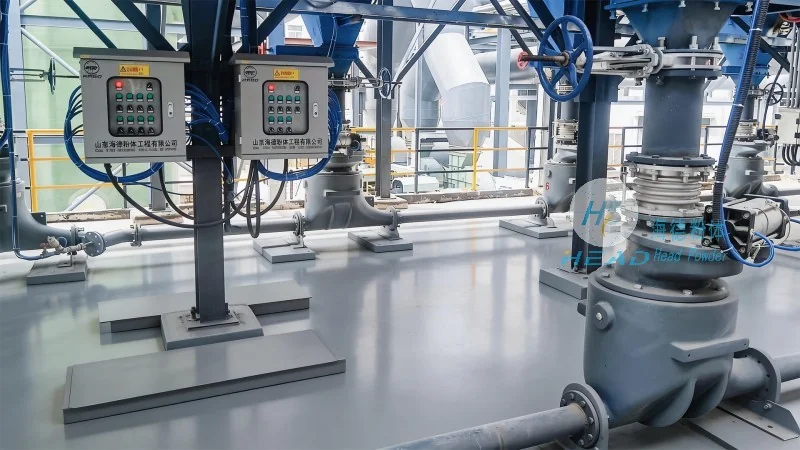
Headquartered in Shandong, China, the company leverages its local expertise and resources to deliver high-quality conveying solutions. The facility is equipped with state-of-the-art technology and a team of experienced engineers who are dedicated to providing reliable and durable equipment for clients worldwide.
Operation Process of the Graphite Powder Material Conveying Line
The operation of a graphite powder material conveying line involves several key steps designed to ensure efficient and safe transport of the fine powder. The process begins with the loading of graphite powder into the initial hopper or storage container. From there, the material is fed into the conveying system through a controlled feeding mechanism, such as a rotary valve or screw feeder, which regulates the flow rate to maintain consistent performance.
Once the powder enters the conveying line, it is typically transported using pneumatic or mechanical methods. Pneumatic conveying systems use compressed air to move the graphite powder through pipes, while mechanical systems employ screw conveyors or belt conveyors to transport the material. The choice of method depends on factors like the powder's properties, the required distance, and the desired throughput. In the case of graphite powder, which is often fine and abrasive, pneumatic systems are commonly preferred due to their ability to handle high volumes and minimize material degradation.
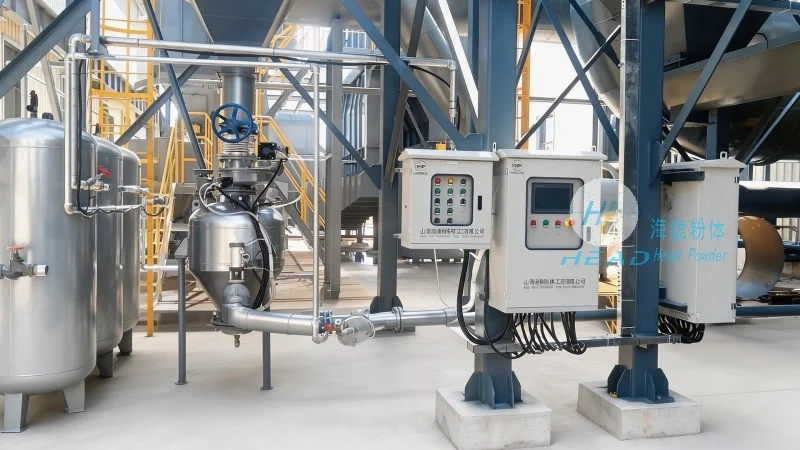
During the conveying process, the line may include intermediate components such as silos, cyclones, or filters to separate any moisture or impurities from the graphite powder. These components help maintain the purity of the material, which is critical for applications in industries like battery manufacturing, lubricants, and refractory materials. The system is designed with safety features, including pressure relief valves and dust collection systems, to prevent accidents and ensure compliance with industrial safety standards.
The final stage of the operation involves unloading the graphite powder at the destination point, such as a processing plant or storage silo. The unloading mechanism, which may include a discharge valve or a rotary airlock, controls the release of the material to prevent spillage and maintain a clean working environment. The entire process is monitored by a control system that adjusts parameters like air pressure, feed rate, and conveyor speed to optimize performance and minimize energy consumption.
Working Principle of the Graphite Powder Conveying System
The working principle of a graphite powder conveying line is based on the physics of fluidization and particle movement. In pneumatic conveying systems, the graphite powder is suspended in a stream of air, creating a fluidized state that allows it to be transported through the pipeline. The air velocity is carefully controlled to ensure that the powder particles remain suspended without settling or clogging the pipes. This is achieved by maintaining a velocity above the minimum fluidization velocity, which is determined by the particle size, density, and air properties.
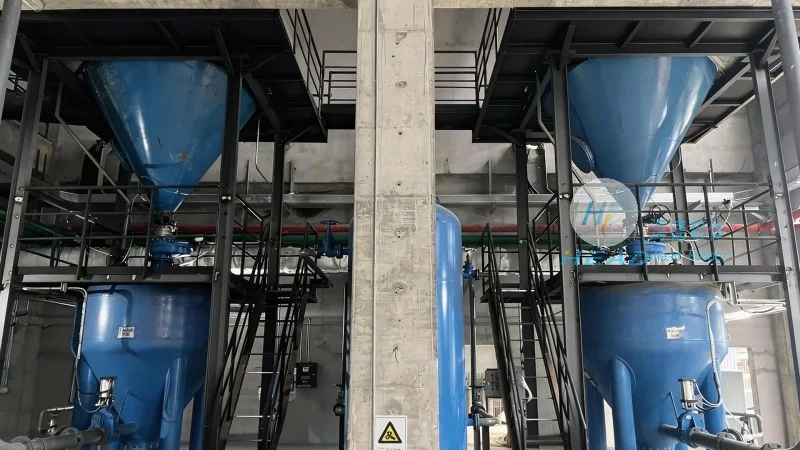
Mechanical conveying systems, such as screw conveyors, operate on the principle of continuous movement of the powder along a rotating screw. The screw's pitch and speed determine the conveying capacity, while the design of the screw and housing prevents material buildup and ensures smooth flow. For graphite powder, which can be abrasive, the screw and housing are often made of corrosion-resistant materials like stainless steel or special alloys to extend the equipment's lifespan.
The system's control system plays a crucial role in maintaining the stability of the conveying process. Sensors are used to monitor parameters such as pressure, temperature, and flow rate, providing real-time data to the control unit. The control unit adjusts the system's settings to compensate for variations in feed rate or material properties, ensuring consistent performance. Additionally, the system may include feedback mechanisms to adjust the air pressure or screw speed, preventing overloading or underloading of the conveying line.
The overall design of the graphite powder conveying line is optimized for efficiency and reliability. By integrating advanced materials, control systems, and safety features, the equipment can handle the unique challenges of transporting fine, abrasive powders like graphite. This results in reduced downtime, lower maintenance costs, and improved product quality, making it an essential component in many industrial processes.