

Operation Process and Working Principle of Sweet Potato Material Conveying Line
For the efficient processing of sweet potato materials, the sweet potato material conveying line plays a crucial role in modern agricultural and food processing industries. This system is designed to handle the transportation of sweet potatoes from the harvesting stage to the subsequent processing stages, ensuring a smooth and continuous workflow. The following sections will detail the operation process and working principle of such a conveying line, highlighting the key components and their functions.
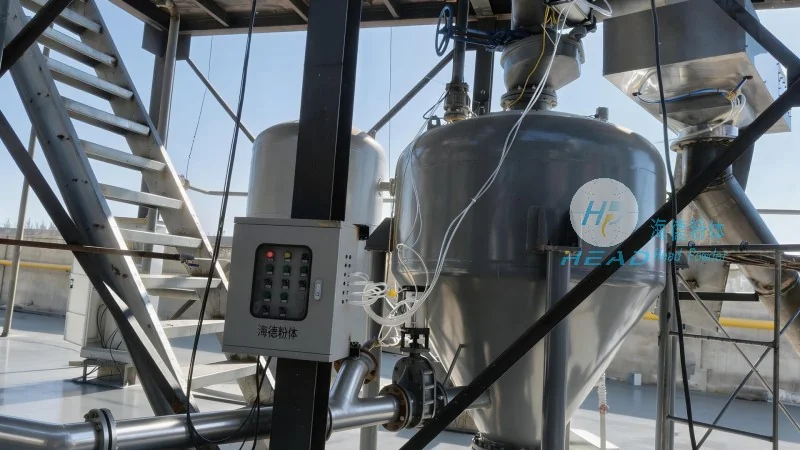
Overview of the Sweet Potato Material Conveying Line
The sweet potato material conveying line is a specialized system engineered to facilitate the movement of sweet potatoes through various processing stages. It typically consists of multiple components, including feeders, conveyors, elevators, and sorting mechanisms, all integrated to work in harmony. The system is tailored to handle the unique characteristics of sweet potatoes, such as their size, shape, and moisture content, ensuring optimal performance and minimal damage to the produce.
Key Components and Their Functions
Several critical components make up the sweet potato material conveying line. The primary components include the intake hopper, which collects the harvested sweet potatoes; the primary conveyor, which transports the sweet potatoes to the processing area; and the secondary conveyors, which may be used for sorting or further processing. Additionally, the system may incorporate elevators to lift the sweet potatoes to higher levels or different processing stations. Each component is designed to handle the specific demands of sweet potato material handling, ensuring efficiency and reliability.
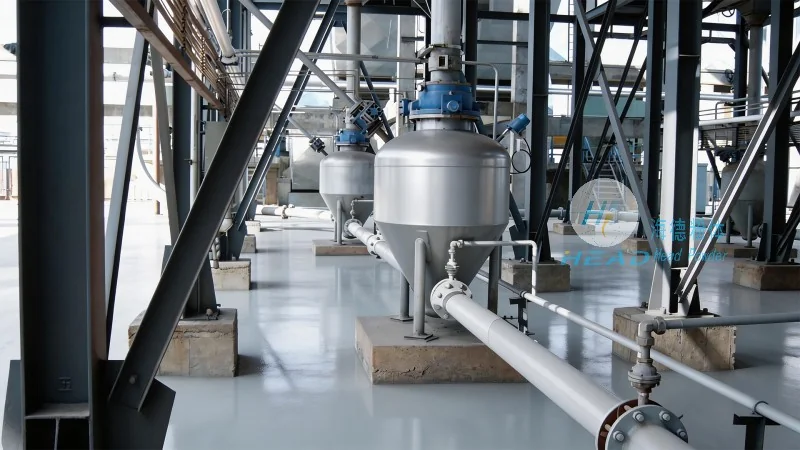
Operation Process of the Conveying Line
The operation process of the sweet potato material conveying line begins with the intake of harvested sweet potatoes into the intake hopper. The sweet potatoes are then fed into the primary conveyor, which transports them through the system. As the sweet potatoes move along the conveyor, they may pass through sorting mechanisms that separate them based on size, weight, or quality. The sorted sweet potatoes are then directed to the next processing stage, such as washing, peeling, or cutting. The entire process is automated, with minimal human intervention required, ensuring consistent and efficient handling of the sweet potatoes.
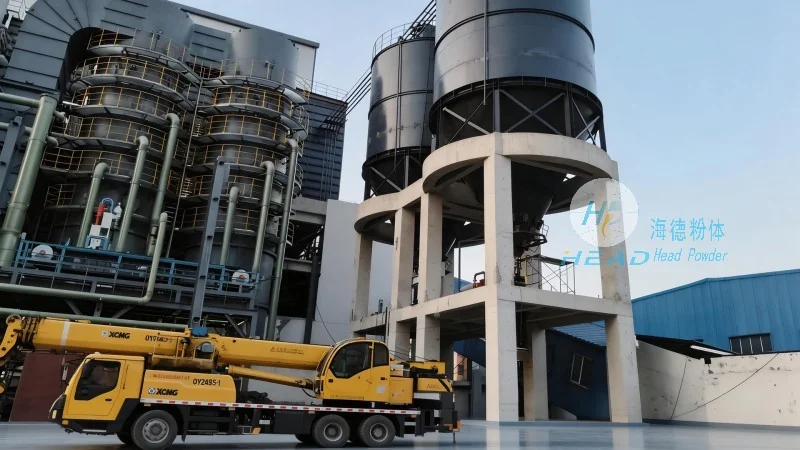
Working Principle of the Conveying Line
The working principle of the sweet potato material conveying line is based on mechanical and hydraulic systems that facilitate the movement of sweet potatoes. The primary conveyor uses a series of rollers or belts to move the sweet potatoes forward. The intake hopper and elevators utilize gravity and mechanical force to lift the sweet potatoes to higher levels. Sorting mechanisms may employ sensors or visual inspection to identify and separate sweet potatoes based on specific criteria. The system is powered by electric motors, which drive the various components, ensuring continuous operation. The design of the conveying line minimizes friction and damage to the sweet potatoes, preserving their quality and reducing waste.
Company Information: Shandong HeadPowder Engineering Co., Ltd.
HeadPowder, a leading manufacturer in the field of material handling equipment, specializes in designing and manufacturing high-quality sweet potato material conveying lines. With a strong commitment to innovation and customer satisfaction, HeadPowder has established itself as a trusted partner for agricultural and food processing industries. The company is headquartered in Shandong, China, and serves clients worldwide with its advanced technology and reliable products. HeadPowder's expertise in material handling systems ensures that its conveying lines are tailored to meet the specific needs of each client, providing efficient and cost-effective solutions for sweet potato processing.