Gravity dust removal material conveying equipment is a critical component in industrial material handling systems, designed to efficiently separate dust particles from bulk materials while transporting them to their destination. This equipment plays a vital role in maintaining air quality, protecting machinery, and ensuring the safe and efficient operation of various industrial processes. The following sections will detail the operation process and working principles of such equipment, providing a comprehensive understanding of its functionality and benefits.
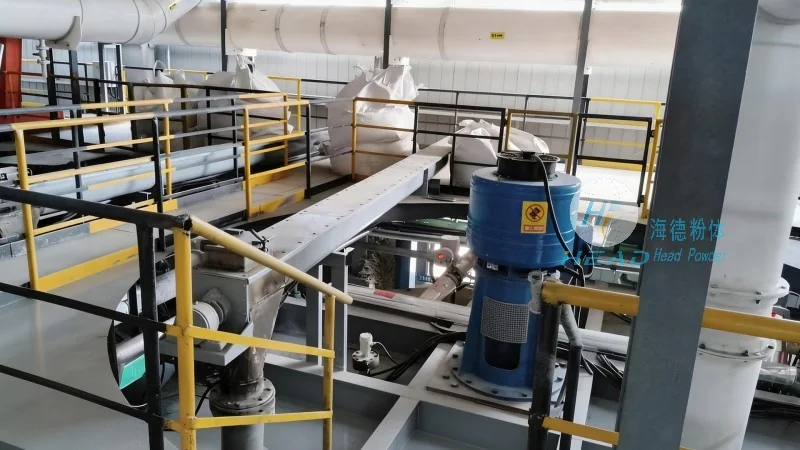
Company Overview
Headpowder, the manufacturer of this advanced equipment, is a leading company in the field of material handling solutions. Based in Shandong, China, Shandong HeadPowder Engineering Co., Ltd. specializes in the design, manufacturing, and supply of high-quality dust removal and material conveying systems. With years of experience and a commitment to innovation, Headpowder has established itself as a trusted partner for industries requiring reliable and efficient material handling equipment.
Basic Working Principle
The core principle of gravity dust removal material conveying equipment is the utilization of gravity and air flow to separate dust particles from the bulk material. As materials enter the equipment, they are subjected to a controlled environment where air currents and gravitational forces act on the particles. Larger, heavier particles are separated from finer dust due to their higher mass and lower air resistance, allowing them to fall into the material collection area. Simultaneously, the finer dust particles are carried by the air flow and directed to the dust collection system, ensuring effective separation and transport.
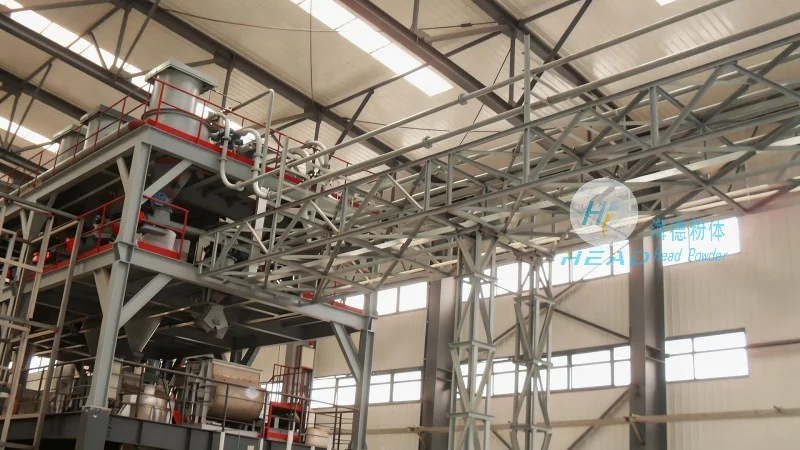
Operation Process Step-by-Step
The operation process of gravity dust removal material conveying equipment typically involves several key steps, each contributing to the efficient handling and separation of materials. The first step is the intake of bulk material, which is usually fed into the equipment via a hopper or conveyor. The material then enters the main separation chamber, where it is exposed to a controlled airflow. As the material moves through the chamber, the gravitational forces cause larger particles to settle and be collected in the lower section of the equipment. The air carrying the fine dust particles is then directed to a filtration or collection system, where the dust is trapped and removed from the air stream.
During the conveying phase, the separated bulk material continues to move along the equipment's path, often guided by gravity or gentle slopes. The design of the equipment ensures that the material flows smoothly without excessive friction or blockages, maintaining a consistent throughput. The dust removal system, integrated with the conveying process, continuously filters the air, preventing dust accumulation and ensuring compliance with environmental regulations.
Key Components and Their Functions
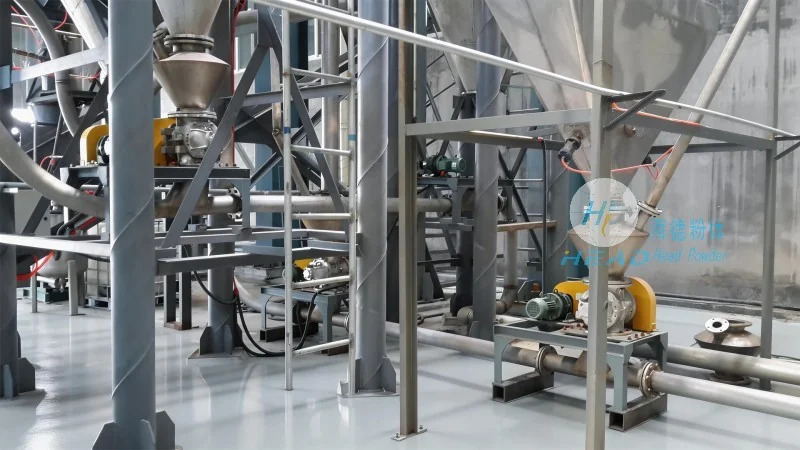
Several key components work in tandem to ensure the effective operation of gravity dust removal material conveying equipment. The intake hopper is responsible for receiving and storing the bulk material before it enters the separation chamber. The separation chamber, equipped with appropriate air ducts and baffles, facilitates the separation of dust from the material. The material discharge outlet allows the separated bulk material to exit the equipment and proceed to the next stage of processing. The dust collection system, which may include filters, cyclones, or other air purification devices, captures the fine dust particles and removes them from the air stream. Additionally, the equipment may include control systems and monitoring devices to ensure optimal performance and safety.
Advantages and Applications
Gravity dust removal material conveying equipment offers several advantages over traditional conveying methods. Its design minimizes the need for mechanical components, reducing maintenance requirements and operational costs. The use of gravity and air flow also results in lower energy consumption compared to high-pressure pneumatic systems. This equipment is widely used in various industries, including mining, cement production, chemical processing, and food processing, where the handling of dusty materials is common. It is particularly suitable for applications requiring the separation of fine dust from bulk materials, such as in cement plants where raw materials are processed and transported.
Conclusion
In conclusion, gravity dust removal material conveying equipment is a sophisticated system that combines material handling and dust separation technologies to enhance industrial efficiency and environmental compliance. Through its carefully designed operation process and working principles, this equipment effectively separates dust from bulk materials while transporting them to their destination. As a leading manufacturer, Shandong HeadPowder Engineering Co., Ltd. continues to innovate and improve these systems, providing reliable and efficient solutions for industries worldwide. The integration of advanced engineering and practical design ensures that this equipment meets the demanding requirements of modern industrial applications, contributing to safer and more sustainable operations.




