Shandong HeadPowder Engineering Co., Ltd., a leading manufacturer based in China, specializes in the design, development, and implementation of advanced material handling solutions. The company's expertise lies in creating efficient and reliable automatic loading and unloading systems tailored to diverse industrial applications. These systems are engineered to optimize material flow, reduce manual labor, and enhance overall operational efficiency in various production environments.
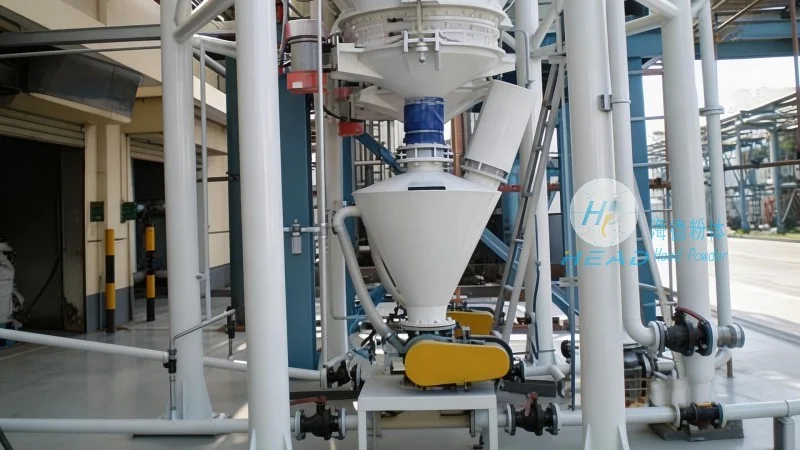
Overview of Automatic Loading and Unloading Material Handling Systems
Automatic loading and unloading material handling systems are sophisticated industrial solutions designed to automate the movement, storage, and transfer of materials within a production facility. These systems integrate multiple components, including conveyors, robotic arms, sensors, and control systems, to achieve seamless material handling processes. The primary goal is to streamline operations, minimize downtime, and improve safety by eliminating manual handling tasks. Such systems are widely used in sectors like manufacturing, logistics, and warehousing, where consistent and efficient material flow is critical to productivity.
System Components and Their Functions
The core components of an automatic loading and unloading material handling system typically include: 1. **Conveyors**: These are the backbone of the system, responsible for transporting materials from one location to another. Conveyors can be of various types, such as belt conveyors, roller conveyors, or chain conveyors, depending on the material characteristics and operational requirements. 2. **Robotic Arms or Palletizers**: These automated devices are used for picking up, placing, and stacking materials. They are equipped with sensors and programmable logic controllers (PLCs) to ensure precise and repeatable movements. 3. **Sensors and Safety Devices**: Sensors are integrated to detect the presence of materials, obstacles, or personnel, ensuring safe operation. Safety devices like emergency stop buttons and light curtains are also included to prevent accidents. 4. **Control Systems**: The central control unit, often a PLC or a computer-based system, coordinates the operation of all components. It processes input from sensors and executes commands to control the movement of conveyors, robotic arms, and other equipment. 5. **Storage and Buffering Units**: These components are used to store and buffer materials, ensuring a continuous flow even during peak demand or maintenance periods.
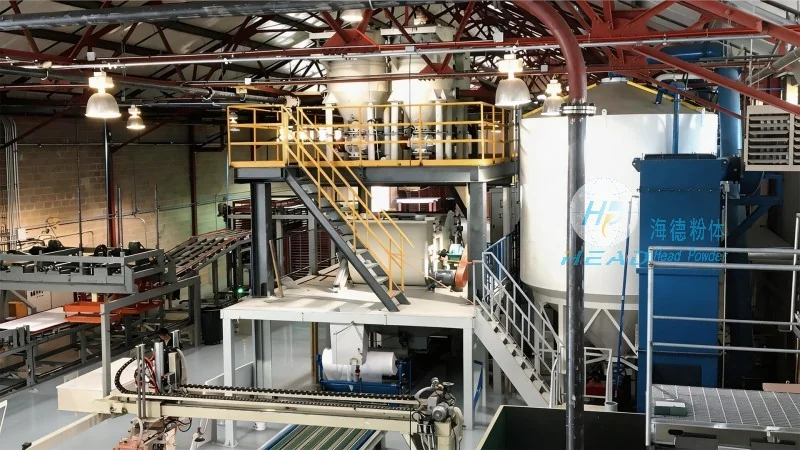
Operation Process of the System
The operation of an automatic loading and unloading material handling system follows a systematic sequence to ensure smooth material transfer. The process typically begins with the loading of materials into the system. This can be done manually or through an upstream conveyor system. Once the materials are loaded, the control system initiates the first stage of the operation. The materials are then transported by the conveyor system to the designated processing or storage area. At this point, robotic arms or palletizers take over, picking up the materials and placing them onto pallets or into storage bins. The system then continues to move the loaded pallets to the unloading area. The unloading process involves the reverse sequence, where the materials are transferred from the storage or processing area back to the conveyor system for distribution to the next stage of production or for shipping. Throughout the operation, sensors continuously monitor the system's status, and the control system adjusts the speed and direction of the components as needed to maintain optimal performance.
Working Principle of the System
The working principle of an automatic loading and unloading material handling system is based on the integration of mechanical, electrical, and control technologies. The system operates by converting electrical energy into mechanical motion through motors and actuators. Sensors provide real-time feedback to the control system, which processes this data to make decisions and control the system's actions. The control system uses programmable logic to sequence the operations of each component, ensuring that materials are handled in the correct order and at the right time. For example, when a sensor detects that a pallet is ready for loading, the control system sends a signal to the robotic arm to pick up the material and place it on the pallet. The system's efficiency is further enhanced by the use of feedback loops, where the actual position and status of components are compared with the desired values, and adjustments are made to correct any deviations. This closed-loop control ensures high precision and reliability in material handling operations.
Key Features and Benefits
Automatic loading and unloading material handling systems offer several key features and benefits that make them indispensable in modern industrial settings. These include: 1. **High Efficiency and Throughput**: The system operates continuously without breaks, significantly increasing the throughput of materials compared to manual handling. 2. **Reduced Labor Costs**: By automating material handling tasks, the system reduces the need for manual labor, leading to lower labor costs and improved safety. 3. **Enhanced Precision and Consistency**: Automated systems ensure that materials are handled with high precision and consistency, minimizing errors and waste. 4. **Improved Safety**: The integration of sensors and safety devices reduces the risk of accidents and injuries associated with manual material handling. 5. **Flexibility and Scalability**: Modern systems are designed to be flexible and scalable, allowing them to adapt to changing production requirements and grow with the business. 6. **Data Collection and Analytics**: Many systems are equipped with data collection capabilities, allowing for real-time monitoring and analysis of operational performance, which helps in identifying bottlenecks and optimizing processes.
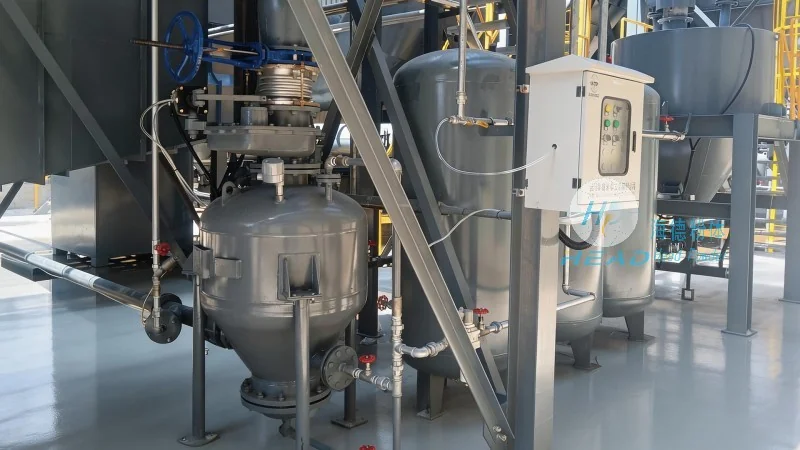
Applications and Industries
Automatic loading and unloading material handling systems are widely used in various industries and applications. Some common applications include: 1. **Manufacturing Plants**: In manufacturing, these systems are used to transport raw materials to production lines and move finished products to storage or shipping areas. 2. **Warehousing and Distribution Centers**: In logistics and warehousing, the systems are used for inventory management, order picking, and shipping. 3. **Food and Beverage Industry**: The systems are used for handling and packaging food products, ensuring hygiene and efficiency. 4. **Pharmaceutical Industry**: In pharmaceutical manufacturing, the systems are used to handle and package medications, maintaining strict quality and safety standards. 5. **Automotive Industry**: The systems are used in automotive plants for handling parts and components, improving production line efficiency. 6. **Electronics Manufacturing**: In electronics assembly, the systems are used to handle small components and circuit boards, ensuring precision and speed.
Conclusion
Automatic loading and unloading material handling systems, as developed by Shandong HeadPowder Engineering Co., Ltd., represent a significant advancement in industrial automation. These systems combine advanced technology with robust engineering to provide efficient, reliable, and safe material handling solutions. By automating material flow processes, they help businesses improve productivity, reduce costs, and enhance overall operational performance. As industries continue to evolve and demand higher efficiency, such systems will play an increasingly critical role in modern manufacturing and logistics operations.




