

Operation Process and Working Principle of Intelligent Centralized Material Handling System
Intelligent centralized material handling systems represent a sophisticated solution designed to streamline material movement within industrial and manufacturing environments. These systems integrate advanced technologies such as automation, real-time monitoring, and intelligent control to optimize workflow efficiency and reduce operational costs. The following sections will detail the operation process and working principles of such systems, highlighting key components and their interplay in achieving seamless material handling.
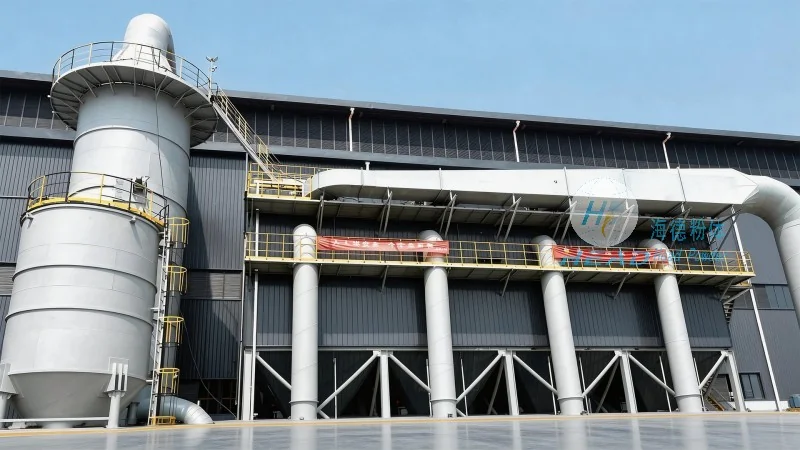
Overview of Intelligent Centralized Material Handling Systems
Intelligent centralized material handling systems are engineered to consolidate material transport from multiple sources to a central point, or vice versa, with precision and efficiency. They are commonly used in industries like pharmaceuticals, logistics, and manufacturing where material flow management is critical. The system typically comprises several core components, including material handling equipment (like conveyors, robots, or automated guided vehicles), control systems, sensors, and software platforms that enable real-time data processing and decision-making. By centralizing control and monitoring, these systems enhance coordination among different handling tasks, minimize downtime, and improve overall productivity. Developed by Shandong HeadPowder Engineering Co., Ltd., a leading provider in the field, such systems are tailored to meet the specific needs of modern industrial operations.
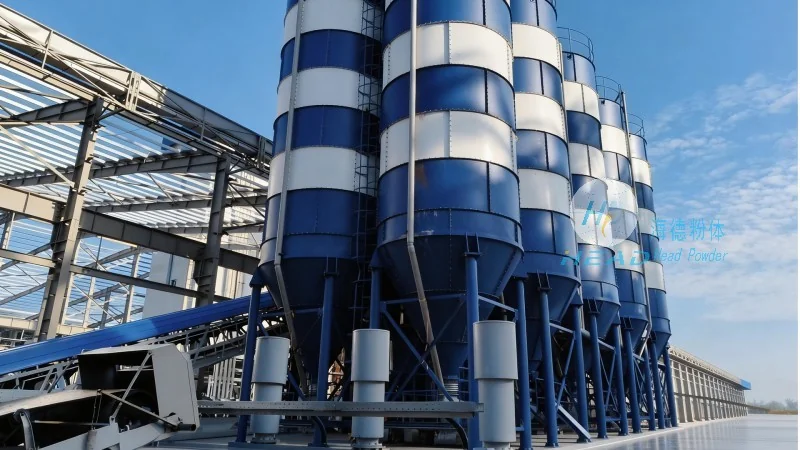
Key Components and Their Functions
The effectiveness of an intelligent centralized material handling system relies on the integration of several key components. First, the material handling equipment, which may include belt conveyors, chain conveyors, or automated guided vehicles (AGVs), is responsible for physically transporting materials. These devices are equipped with sensors to detect obstacles, adjust speed, and ensure safe operation. Second, the control system, often based on PLC (Programmable Logic Controller) or a more advanced industrial computer, manages the sequence of operations, coordinates the movement of equipment, and responds to real-time data from sensors. Third, the software platform, which may include a SCADA (Supervisory Control and Data Acquisition) system or a custom-built management software, provides operators with a user-friendly interface to monitor system status, track material flow, and generate reports. Additionally, communication networks, such as Ethernet or wireless protocols, enable seamless data exchange between components, ensuring that information is updated in real time.
Operation Process: Step-by-Step Workflow
The operation process of an intelligent centralized material handling system involves a series of coordinated steps that ensure materials are moved efficiently from their origin to their destination. The workflow typically begins with the identification and pickup of materials at the source. This is often achieved through barcode or RFID scanning, which provides unique identifiers for each item. Once identified, the system determines the optimal path for the material, considering factors such as current system load, equipment availability, and priority levels. The control system then sends commands to the appropriate handling equipment to initiate movement. During transit, sensors continuously monitor the material's position and status, providing feedback to the control system. If any issues arise, such as an obstacle or a delay, the system can automatically adjust the route or pause operations to prevent bottlenecks. Upon reaching the destination, the material is deposited, and the system updates its inventory records. This entire process is executed with minimal human intervention, leveraging automation and intelligent algorithms to ensure accuracy and speed.
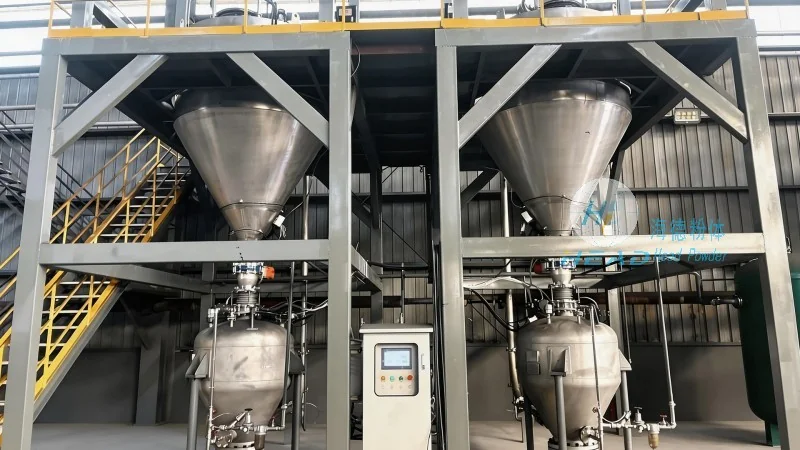
Working Principle: Integration of Automation and Intelligence
The working principle of an intelligent centralized material handling system is centered on the integration of automation and intelligent decision-making. At its core, the system uses sensors and actuators to perform physical tasks, while the control system and software enable logical processing and coordination. The system operates based on a set of predefined rules and algorithms that guide the movement of materials. These algorithms consider various parameters, including material type, destination, priority, and system conditions, to determine the most efficient route and timing. Real-time data from sensors is continuously fed into the control system, which analyzes the information and adjusts operations accordingly. For example, if a conveyor belt is overloaded, the system can reroute materials to an alternative path or slow down the conveyor to prevent congestion. The software platform also provides operators with insights into system performance, allowing them to make informed decisions and optimize operations over time. By combining mechanical handling with intelligent control, these systems achieve a high level of flexibility and adaptability, making them suitable for diverse industrial applications.