Aluminum hydride powder is a critical material in various industrial applications, including chemical synthesis, energy storage, and specialized manufacturing processes. Efficient and reliable material handling of this powder is essential to ensure process stability, product quality, and operational safety. This article provides a detailed overview of the operation process and working principle of aluminum hydride powder material handling systems, highlighting the key components, workflow, and technical considerations involved.
About Shandong HeadPowder Engineering Co., Ltd.
Shandong HeadPowder Engineering Co., Ltd., commonly known as headpowder, is a leading provider of specialized material handling solutions tailored for aluminum hydride powder and other high-purity materials. With a strong focus on engineering excellence and customer-centric service, headpowder has established itself as a trusted partner in the industry. The company is headquartered in Shandong, China, where it leverages advanced technology and extensive expertise to deliver innovative solutions that meet the evolving needs of its clients.
Key Components of Aluminum Hydride Powder Conveying Systems
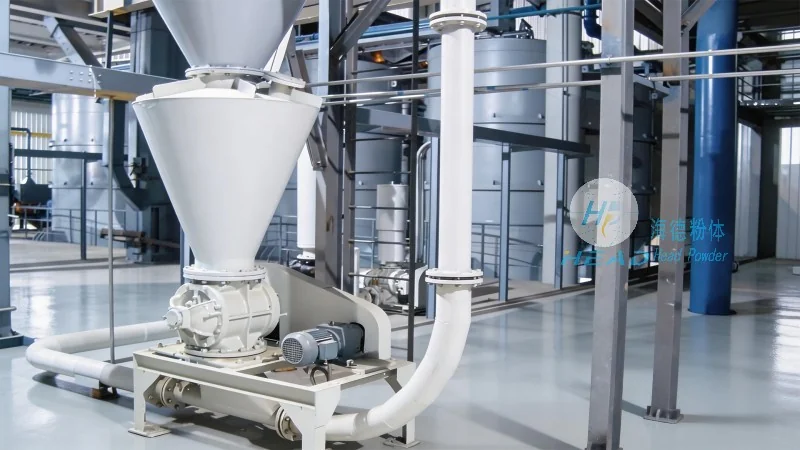
The operation of aluminum hydride powder material handling systems typically involves several critical components that work in tandem to ensure smooth and efficient material transport. These components include: hopper or storage silo, which serves as the primary container for storing the aluminum hydride powder; conveying equipment, such as screw conveyors, pneumatic conveyors, or bucket elevators, designed to move the powder from the storage area to the processing or packaging stages; feeding mechanisms, like rotary valves or vibratory feeders, that control the flow rate and consistency of the material; and control systems, including sensors and automation software, that monitor and regulate the entire process to maintain optimal performance.
Operation Process of Aluminum Hydride Powder Material Handling
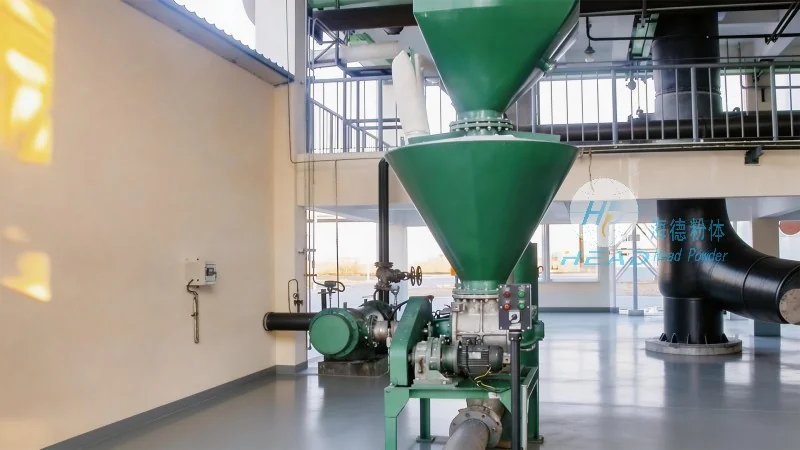
The operation process of aluminum hydride powder material handling begins with the loading of the powder into the storage hopper or silo. Once the hopper is filled, the feeding mechanism activates to release the powder at a controlled rate. The conveying equipment then transports the powder to the next stage of the process, such as a mixing or blending unit, or directly to the packaging equipment. Throughout this process, the control system continuously monitors parameters like flow rate, pressure, and temperature to ensure that the material is handled safely and efficiently. Any deviations from the set parameters are immediately detected and corrected by the automation system, preventing potential issues such as blockages or material degradation.
Working Principle of Aluminum Hydride Powder Conveying
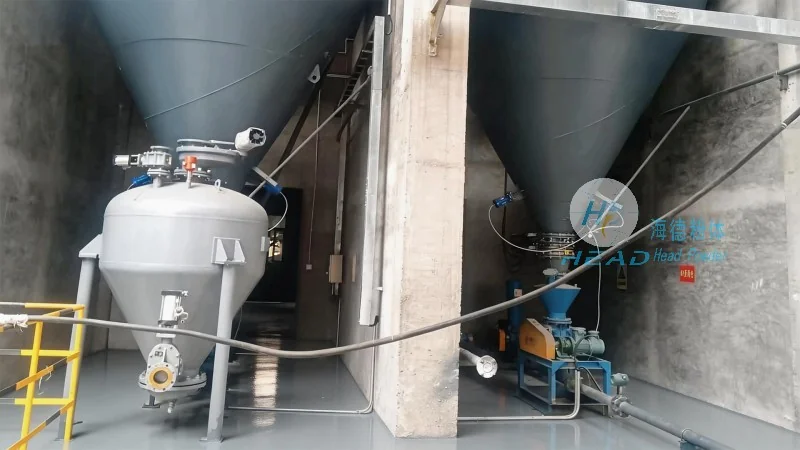
The working principle of aluminum hydride powder material handling systems is based on the principles of fluidization and mechanical transport. In pneumatic conveying systems, for example, the aluminum hydride powder is suspended in a stream of air or gas, which allows it to be transported through pipelines with minimal friction and loss. Screw conveyors, on the other hand, use rotating screws to push the powder forward, leveraging the friction between the screw and the material to achieve continuous movement. Vibratory feeders utilize vibrations to move the powder along a sloped surface, ensuring a consistent flow rate that is critical for downstream processes. The choice of conveying method depends on factors such as the powder's properties (e.g., particle size, moisture content, and bulk density), the distance to be covered, and the required flow rate.
Technical Considerations and Safety Measures
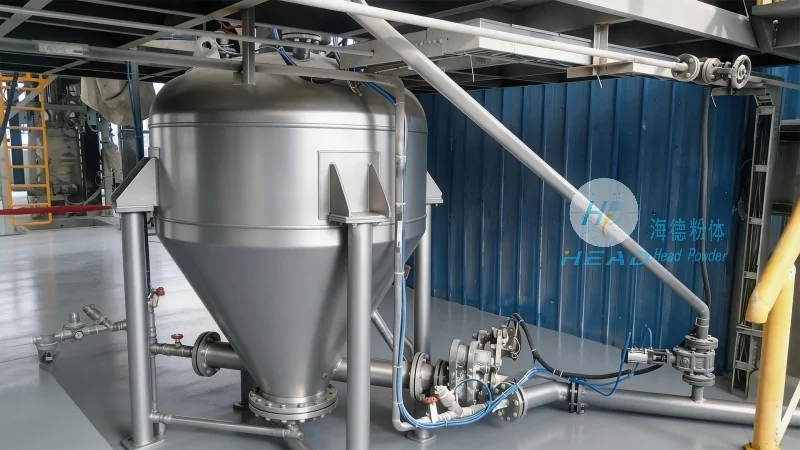
Handling aluminum hydride powder requires careful consideration of several technical and safety aspects to prevent accidents and ensure product integrity. First, the material is highly reactive and can release hydrogen gas when exposed to moisture or heat, posing a fire and explosion risk. Therefore, all material handling equipment must be designed with explosion-proof features and equipped with proper ventilation systems to mitigate these hazards. Second, the powder is often fine and can generate static electricity during transport, which can lead to electrostatic discharge and ignition. Anti-static measures, such as grounding and using conductive materials, are essential to prevent such incidents. Third, the equipment must be constructed from materials that are compatible with aluminum hydride, avoiding corrosion or chemical reactions that could compromise the material's quality. Regular maintenance and inspection of the conveying system are also crucial to ensure its longevity and reliability.
Conclusion
Efficient aluminum hydride powder material handling is a complex process that requires a combination of advanced technology, careful engineering, and strict adherence to safety protocols. Shandong HeadPowder Engineering Co., Ltd. (headpowder), with its headquarters in Shandong, China, specializes in providing tailored material handling solutions that address the unique challenges of aluminum hydride powder processing. By understanding the operation process and working principle of these systems, industries can enhance their productivity, improve product quality, and ensure a safe working environment. As a leading provider in the field, headpowder continues to innovate and deliver solutions that meet the evolving demands of the aluminum hydride powder industry.




