

Operation Process and Working Principle of Iron Concentrate Powder Material Handling
Iron concentrate powder, a vital raw material in the steel industry, requires efficient and reliable material handling systems to ensure seamless production workflows. This article provides an in-depth exploration of the operation process and working principles of systems designed for transporting iron concentrate powder, highlighting key components, operational procedures, and technical aspects that contribute to optimal performance.
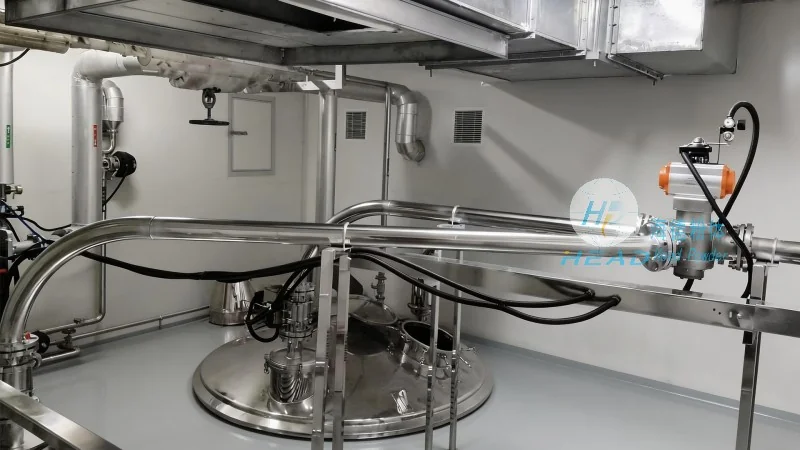
Company Profile: Shandong HeadPowder Engineering Co., Ltd.
HeadPowder, a leading engineering firm headquartered in Shandong, China, specializes in the design, manufacturing, and integration of material handling solutions tailored to the mining and metallurgical sectors. With a strong commitment to quality and innovation, the company has established itself as a trusted partner for clients seeking advanced systems for iron concentrate powder transportation. The company’s operational base is located in Shandong, China, providing a strategic advantage in serving both domestic and international markets.
Overview of Iron Concentrate Powder Material Handling Systems
Iron concentrate powder material handling systems are engineered to transport bulk iron concentrate powder from storage facilities to processing units such as ball mills or sintering plants. These systems typically consist of a combination of equipment including feeders, conveyors, and control systems, all working in tandem to ensure consistent and controlled material flow. The primary objective is to minimize material loss, prevent contamination, and maintain a stable operational environment—critical factors for sustaining production efficiency and product quality.
Key Components and Their Functions
The operation of iron concentrate powder material handling systems relies on several key components, each playing a vital role in the overall process. The first component is the material feeder, responsible for uniformly feeding the iron concentrate powder into the conveyor system. Common types include rotary feeders and belt feeders, selected based on material properties and required flow rates. The feeder ensures consistent feeding, preventing overloading or underloading of the conveyor, which could lead to system inefficiencies or equipment damage.
The second critical component is the conveyor system, the backbone of the material handling process. Conveyors can be categorized into belt, screw, or pneumatic types, each suited for different operational needs. For iron concentrate powder, belt conveyors are commonly used due to their ability to handle bulk materials over long distances with minimal maintenance. The conveyor transports the iron concentrate powder from storage to the processing unit, ensuring continuous flow. Design elements like belt speed, inclination, and idler spacing are optimized to maintain material integrity and prevent segregation or degradation.
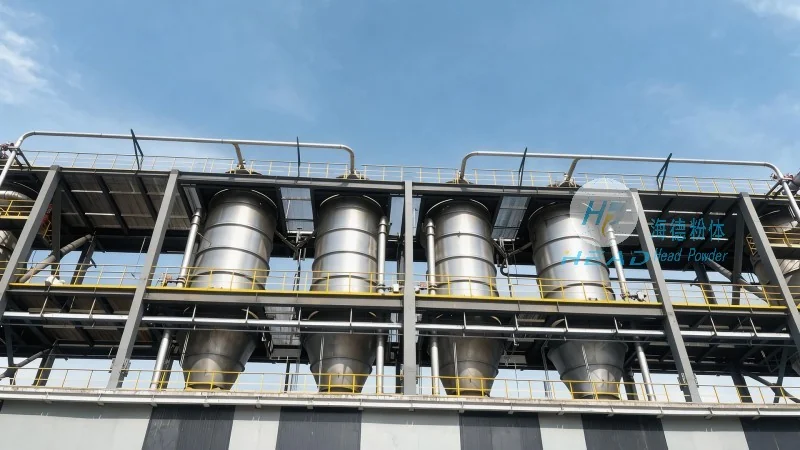
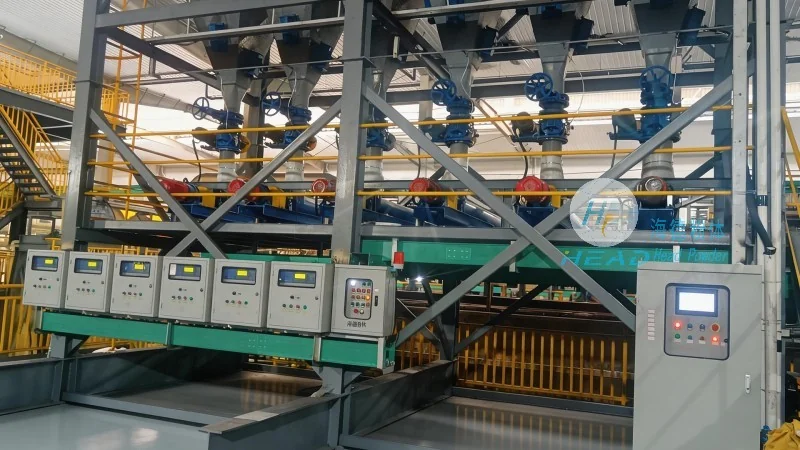
The third essential component is the control system, which monitors and regulates the operation of the material handling system. This system includes sensors, control panels, and automation software that track parameters such as flow rate, pressure, and temperature. The control system synchronizes the feeder and conveyor speeds, adjusting as needed to maintain the desired material flow. It also provides real-time monitoring and alerts for deviations from normal conditions, enabling quick intervention to prevent downtime or material loss.
Operation Process of Iron Concentrate Powder Material Handling
The operation process of an iron concentrate powder material handling system involves sequential steps to ensure efficient and safe transport. The first step is material preparation, where iron concentrate powder is loaded into storage silos or hoppers under controlled conditions to prevent moisture absorption or degradation. Once ready, the feeder activates to initiate material flow.
Next, the feeder uniformly feeds the iron concentrate powder into the conveyor system. The conveyor then transports the material to the processing unit. During this process, the control system continuously monitors the flow rate and adjusts the feeder speed as needed to maintain stability. The conveyor may include incline sections or transfer points to change material direction. At the processing unit, the material is discharged and prepared for the next production stage.
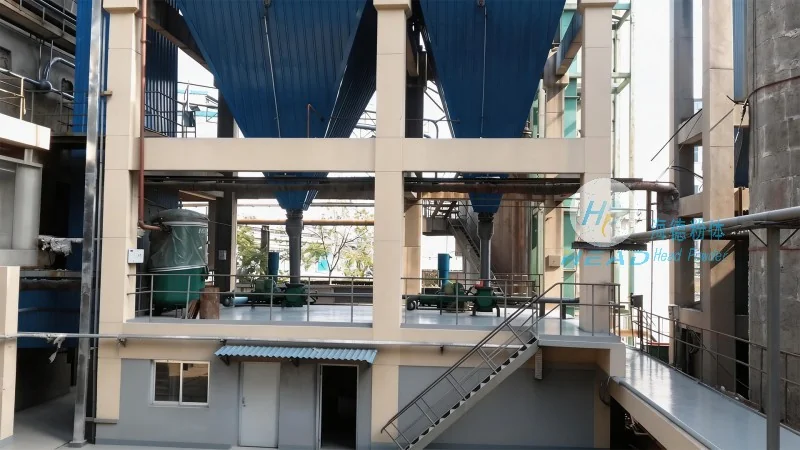
Throughout operation, the system minimizes material loss and contamination through sealed conveyor systems and proper maintenance. The control system also incorporates safety features to prevent overloading or mechanical failures, ensuring operator safety and material integrity.
Working Principles of Iron Concentrate Powder Material Handling
The working principles of iron concentrate powder material handling systems are based on fluid dynamics and mechanical engineering. The system converts material potential energy into kinetic energy to move it along the conveyor. The feeder provides initial force, while the conveyor maintains continuous flow. The control system applies forces in a controlled manner, preventing excessive stress and preserving material integrity.
Another key principle is preventing material segregation. Iron concentrate powder is heterogeneous, and improper handling can cause segregation by particle size, density, or moisture. Feeder and conveyor design—such as baffles or agitators—help maintain uniform mixing, crucial for consistent product quality.
The system also operates on energy efficiency. Optimizing conveyor speed, inclination, and idler spacing minimizes energy use while maintaining flow rates. The control system monitors energy consumption, reducing waste and enhancing sustainability.
Maintenance and Troubleshooting of Iron Concentrate Powder Material Handling Systems
Maintenance is critical for long-term performance and reliability. Regular cleaning, lubrication, and component inspection prevent failures and ensure consistent operation. The control system provides diagnostic data and alerts for potential issues.
Troubleshooting addresses common issues like material blockages, conveyor belt wear, or control system malfunctions. Real-time data from the control system helps identify root causes for quick resolution. Proper maintenance and operation minimize these issues, keeping the system at peak performance.
Conclusion
Iron concentrate powder material handling systems are complex and critical to steel production. Their operation process and working principles are designed to ensure efficient, safe, and reliable transport of iron concentrate powder. With optimized equipment, control systems, and maintenance practices, these systems operate at peak efficiency, contributing to overall production facility productivity. HeadPowder, with its expertise in material handling solutions, continues to deliver innovative and reliable systems that meet the evolving needs of the mining and metallurgical industries.