

Operation Process and Working Principle of Small Bag Loading Pneumatic Conveying Machine
HeadPowder, a leading manufacturer based in Shandong, China, specializes in advanced pneumatic conveying systems designed for efficient small bag loading operations. This article provides a detailed overview of the operation process and working principle of their small bag loading pneumatic conveying machines, highlighting key components, operational steps, and technical advantages.
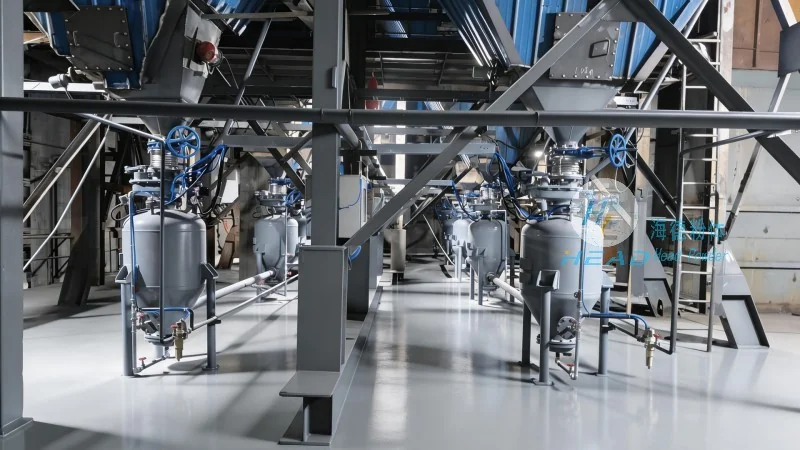
Overview of Small Bag Loading Pneumatic Conveying Systems
Small bag loading pneumatic conveying machines are essential equipment in various industrial sectors, including food processing, chemical manufacturing, and pharmaceuticals. These systems are engineered to handle bulk materials from sealed bags with precision and minimal product loss. The technology ensures a clean, dust-free transfer process, making it ideal for sensitive materials that require hygienic handling.
Key Components and Their Functions
The small bag loading pneumatic conveying machine consists of several critical components that work in tandem to achieve efficient material transfer. These include:
- Feeder Unit: The feeder is responsible for opening the bag and releasing the material into the conveying system. It typically features a mechanical or pneumatic opening mechanism to ensure consistent material discharge.
- Pneumatic Conveying Pipe: The main body of the system, the conveying pipe transports the material using air pressure. The pipe is designed with smooth internal surfaces to minimize friction and material buildup.
- Receiver Tank: The receiver tank collects the conveyed material and provides a storage container for further processing or packaging.
- Filter and Dust Collector: To maintain air quality and comply with environmental regulations, the system includes a filter and dust collector that capture any particulate matter before releasing air back into the environment.
- Control Panel: The control panel allows operators to monitor and adjust the system parameters, such as air pressure and material flow rate, ensuring optimal performance.
Operation Process Step-by-Step
The operation of a small bag loading pneumatic conveying machine involves a series of coordinated steps to ensure smooth material transfer. Here is a detailed breakdown of the process:
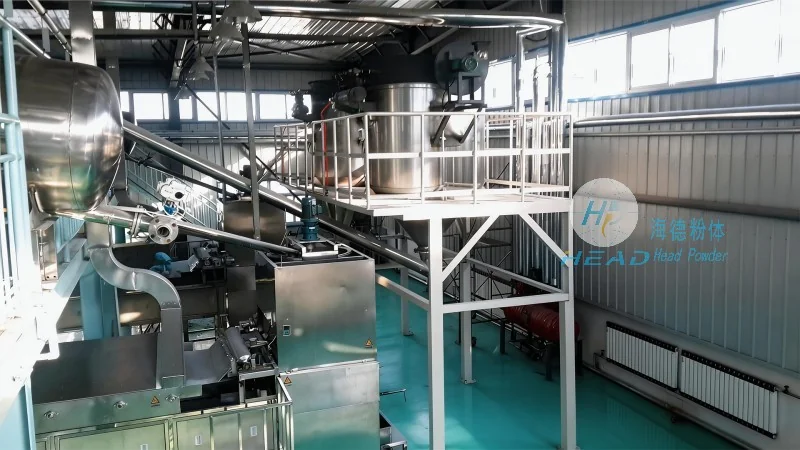
- Bag Placement: The sealed bag is placed on the feeder unit, which is designed to accommodate standard bag sizes. The bag is securely positioned to allow for easy opening.
- Bag Opening: The feeder unit activates its opening mechanism, which may involve a pneumatic or mechanical cutter to break the bag seal. This step ensures that the material is released without damage to the bag or the product.
- Material Discharge: Once the bag is opened, the material is discharged into the feeder hopper. The hopper is equipped with a valve or gate to control the flow rate of the material.
- Air Intake and Conveying: The system's blower or compressor generates high-pressure air, which is introduced into the conveying pipe. The air flows through the pipe, creating a low-pressure zone that draws the material particles into the pipe.
- Material Transport: The material is carried through the conveying pipe by the air stream. The pipe's design, including bends and straight sections, is optimized to minimize pressure drop and ensure efficient transport.
- Material Deposition: The material is deposited into the receiver tank at the end of the conveying line. The tank is equipped with a discharge valve to allow for controlled release of the material.
- Clean-up and System Reset: After the material transfer is complete, the system is reset. The filter and dust collector are checked for any accumulation, and the air pressure is adjusted as needed for the next operation.
Working Principle Explained
The working principle of the small bag loading pneumatic conveying machine is based on the fundamental physics of fluid dynamics and particle transport. The system operates by creating a pressure differential between the conveying pipe and the ambient environment. Here's how it works:
1. Air Compression: The blower or compressor compresses air and delivers it to the conveying pipe at a high pressure. This compressed air provides the necessary force to move the material particles.
2. Material Suspension: As the air flows through the pipe, it suspends the material particles in the air stream. The velocity of the air is maintained at a level that keeps the particles in suspension without causing excessive wear on the pipe or components.
3. Pressure Drop Management: The system is designed to manage pressure drop efficiently. The pipe diameter, length, and number of bends are optimized to minimize pressure loss, ensuring that the air and material can travel the required distance without losing too much energy.
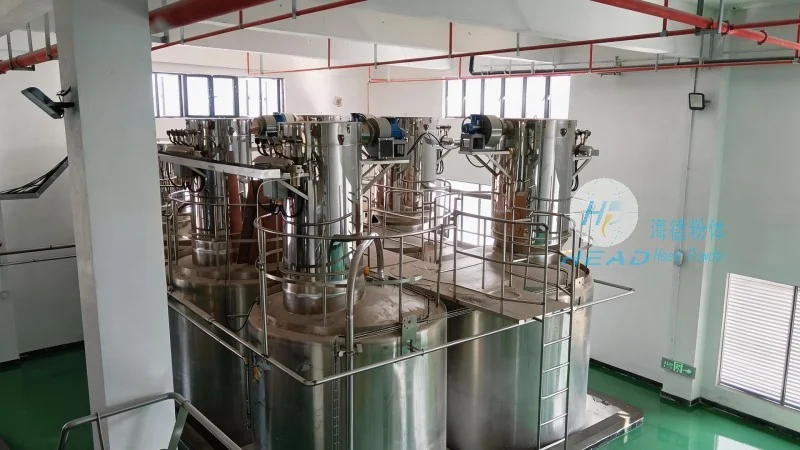
4. Separation and Collection: At the receiver end, the air and material are separated. The receiver tank collects the material, while the air passes through a filter and dust collector to remove any residual particles before being released.
Technical Advantages and Applications
Small bag loading pneumatic conveying machines offer several advantages over traditional material handling methods. These include:
- Efficiency and Speed: The system can transfer large quantities of material quickly and efficiently, reducing labor costs and increasing production throughput.
- Clean and Hygienic Operation: The enclosed system prevents dust and contamination, making it suitable for handling food-grade and pharmaceutical materials.
- Reduced Product Loss: The precise control of material flow minimizes spillage and waste, improving overall material utilization.
- Low Maintenance: The design of the components, such as smooth pipe surfaces and easy-to-clean parts, reduces the need for frequent maintenance.
These systems are widely used in industries where bulk material handling is critical, such as food processing plants, chemical manufacturing facilities, and pharmaceutical production lines. The ability to handle various materials, including powders, granules, and fine particles, makes the small bag loading pneumatic conveying machine a versatile solution for different industrial applications.