

Operation Process and Working Principle of Loess Pneumatic Conveying Lines
Loess pneumatic conveying lines are sophisticated systems designed for the efficient transport of loess materials, such as fine powders and granular substances, over long distances or within industrial facilities. These systems utilize air pressure to move materials through a network of pipes, offering a dust-free, flexible, and automated solution for material handling. The operation and working principles of these lines are critical to understanding their effectiveness and suitability for various industrial applications. As a leading provider in the field, Shandong HeadPowder Engineering Co., Ltd. specializes in designing and manufacturing high-quality loess pneumatic conveying lines tailored to meet the specific needs of industrial clients.
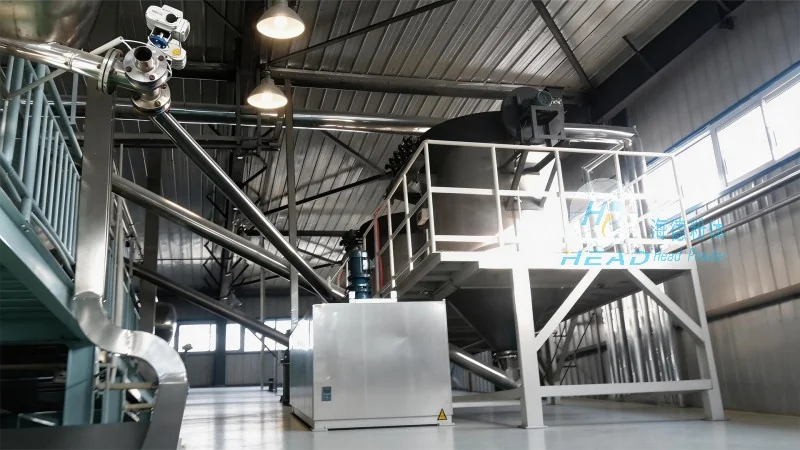
Key Components of a Loess Pneumatic Conveying System
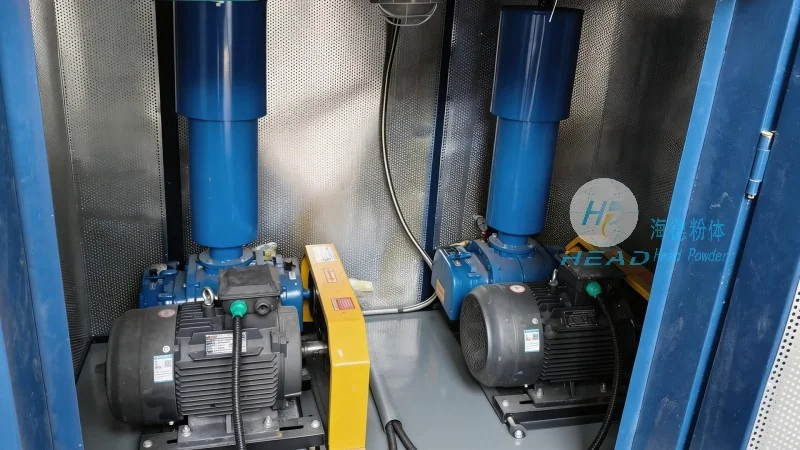
A typical loess pneumatic conveying line consists of several essential components that work in concert to facilitate material transport. The primary components include a material feeder, a blower or air compressor, conveying pipes, a control system, and a discharge device. The material feeder is responsible for introducing the loess material into the system, ensuring a consistent flow rate. The blower generates the necessary air pressure and flow rate to move the material through the pipes. The conveying pipes form the main pathway for the material, often made of durable materials like stainless steel or PVC to withstand the abrasive nature of loess. The control system monitors and regulates the operation, adjusting air pressure and material feed as needed. Finally, the discharge device collects the material at the end of the line, completing the transport process. Each component plays a vital role in ensuring the smooth and efficient operation of the entire system.
The Operation Process of Loess Pneumatic Conveying Lines
The operation of a loess pneumatic conveying line follows a systematic sequence of steps. Initially, the loess material is fed into the system through the material feeder. Simultaneously, the blower starts and generates a high-pressure air stream. The material is then entrained by the air flow within the conveying pipes, forming a mixture of air and material particles. This mixture travels through the pipes to the discharge point, where the material is separated from the air. The separated material is collected in a hopper or storage container, while the air is typically filtered and recirculated to maintain efficiency and reduce dust emissions. The entire process is automated, with the control system ensuring smooth and continuous operation, minimizing downtime and maximizing productivity. The sequence of feeding, air generation, material transport, and discharge is repeated continuously to maintain a steady flow of loess material through the system.
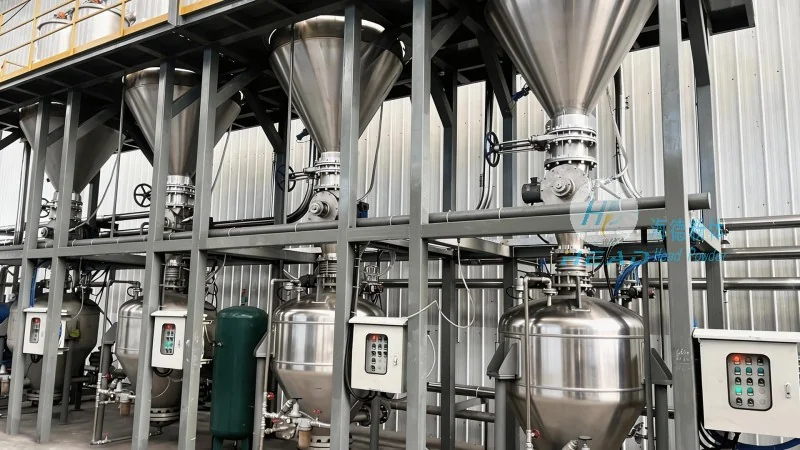
Working Principle of Loess Pneumatic Conveying Lines
The working principle of loess pneumatic conveying lines is based on the fundamental concept of fluidization and pneumatic transport. When air is introduced into the conveying pipes at a sufficient velocity, it creates a low-pressure zone that draws the loess material into the air stream. This process, known as pneumatic conveying, relies on the interaction between the air flow and the material particles. The air velocity must be high enough to overcome the gravitational force acting on the material and to prevent particle separation or blockages. The system operates under either positive pressure (where air is forced through the pipes) or negative pressure (where air is drawn out of the system), depending on the specific design and application requirements. The efficiency of the system is influenced by factors such as the particle size, moisture content, and density of the loess material, as well as the air pressure and flow rate. Proper design and maintenance of the components are crucial to ensure optimal performance and to prevent issues like clogging or reduced conveying capacity. The working principle allows for the transport of materials in a controlled manner, ensuring that the material is moved safely and efficiently from the source to the destination.
Advantages of Loess Pneumatic Conveying Lines
Loess pneumatic conveying lines offer several advantages over traditional material handling methods, such as belt conveyors or bucket elevators. One of the primary benefits is the ability to transport materials in a dust-free environment, which enhances workplace safety and reduces the risk of respiratory issues for workers. The system is also highly flexible, allowing for changes in the conveying route or distance without significant modifications to the infrastructure. Additionally, pneumatic conveying lines are capable of handling a wide range of material types, including fine powders and abrasive substances, which are difficult to transport using other methods. The automated nature of the system reduces labor costs and increases operational efficiency, making it an attractive option for industrial applications. Furthermore, the system can be integrated with other processing equipment, such as mixers or classifiers, to form a comprehensive material handling solution. These advantages make loess pneumatic conveying lines a preferred choice for industries that require reliable and efficient material transport.
Applications of Loess Pneumatic Conveying Lines
Loess pneumatic conveying lines are widely used in various industries that require the transport of fine powders and granular materials. Common applications include the cement industry, where loess is used as a raw material for cement production. The system is also utilized in the chemical industry for transporting powders like limestone or gypsum. In the food industry, pneumatic conveying lines are employed to handle ingredients like flour or sugar, ensuring a hygienic and efficient process. Additionally, the system is used in the mining industry for transporting ore or tailings, and in the pharmaceutical industry for handling powders used in drug manufacturing. The versatility of loess pneumatic conveying lines makes them suitable for a wide range of industrial applications, where efficient and reliable material transport is essential. Each application benefits from the ability of the system to handle materials in a controlled and dust-free manner, enhancing overall operational performance.