Tri-metal material pneumatic conveying systems are advanced industrial solutions designed to efficiently transport and handle tri-metal materials, such as lithium cobalt oxide, lithium iron phosphate, and lithium manganese oxide, which are critical components in modern battery manufacturing. These systems are engineered by Shandong HeadPowder Engineering Co., Ltd., a leading provider of powder processing technologies based in Shandong, China. The company specializes in developing customized pneumatic conveying solutions tailored to the unique requirements of the battery and material processing industries.
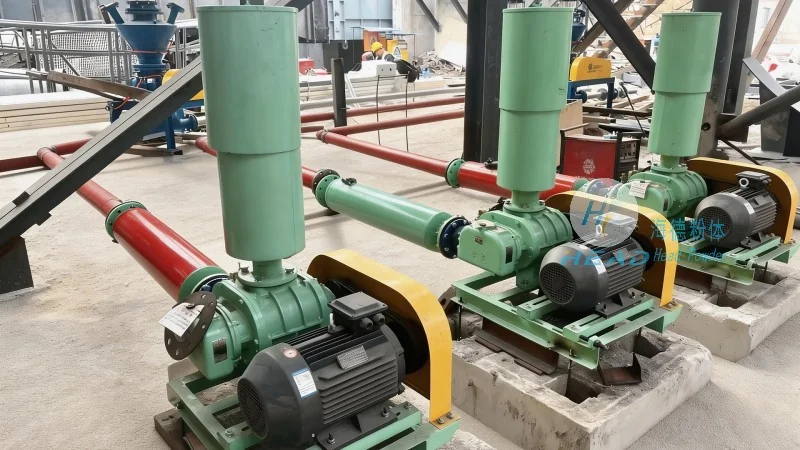
System Overview and Core Components
At the heart of a tri-metal material pneumatic conveying system is a network of components that work in tandem to ensure reliable material transport. The system typically includes a material feed hopper, a rotary valve or feeder for controlled material discharge, a conveying line (often equipped with pressure vessels or vacuum pumps), and a receiver or discharge hopper at the destination. Key components may also include air compressors, filters, and control panels that regulate the pressure, flow rate, and direction of the conveying process. The design of these systems is optimized to handle the specific physical properties of tri-metal powders, such as their particle size, density, and flowability, ensuring minimal degradation and loss during transport.
Operation Process: Step-by-Step Execution
The operation of a tri-metal material pneumatic conveying system follows a systematic sequence to ensure efficient and safe material transfer. The process begins with the loading of the tri-metal material into the feed hopper. A rotary valve or feeder then controls the flow of material into the conveying line, regulating the quantity and rate of material discharge. Simultaneously, an air compressor generates the necessary pressure or vacuum to move the material through the system. The material is then transported via the conveying line, which may include sections with different diameters or bends, all designed to minimize pressure drop and maintain consistent flow. At the receiving end, the material is discharged into a receiver hopper, where it is collected for further processing or storage. The system is equipped with sensors and control mechanisms to monitor pressure, flow rate, and material level, providing real-time feedback to maintain optimal operation. This step-by-step process ensures that the tri-metal material is transported with precision, reducing the risk of blockages, material degradation, or operational inefficiencies.
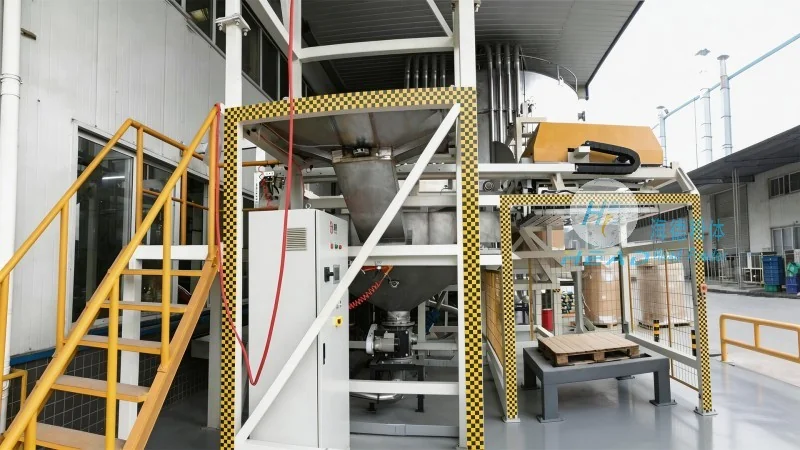
Working Principle: The Physics Behind Pneumatic Conveying
The working principle of a tri-metal material pneumatic conveying system is based on the fundamental physics of fluid dynamics and particle motion. The system utilizes either pressure or vacuum to create a flow of air or gas that entrains the tri-metal particles, allowing them to be transported through the conveying line. In a pressure system, air is compressed and introduced into the conveying line at a high pressure, pushing the material forward. The material is suspended in the air stream, and the velocity of the air is maintained above the minimum velocity required to keep the particles in suspension, preventing settling or clogging. In a vacuum system, the conveying line is maintained at a lower pressure than the ambient environment, drawing the material and air into the system. The key to efficient pneumatic conveying is the balance between the air velocity and the particle size, density, and shape. The system is designed to ensure that the air velocity is sufficient to keep the tri-metal particles in suspension while minimizing energy consumption and wear on the system components. The working principle also involves the use of appropriate materials for the conveying line and components, such as stainless steel or specialized plastics, to prevent corrosion and material contamination.
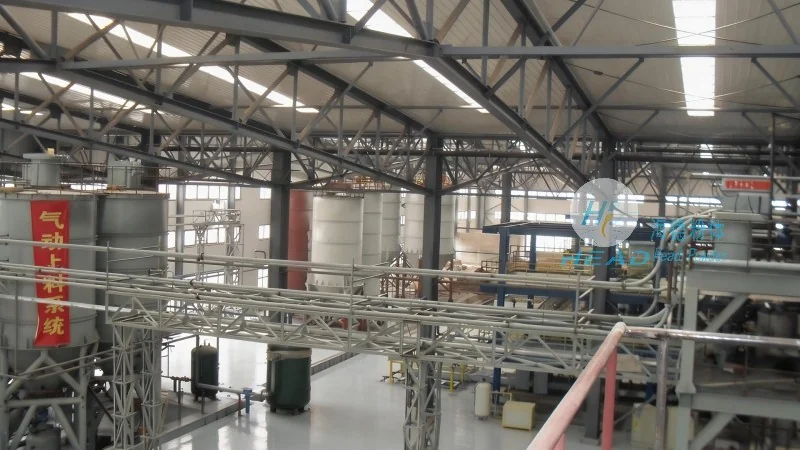
Advantages and Applications in the Battery Industry
Tri-metal material pneumatic conveying systems offer several advantages that make them ideal for the battery manufacturing industry. These systems provide a dust-free and enclosed environment, which is crucial for maintaining product quality and preventing contamination. The enclosed design also enhances safety by reducing the risk of dust explosions and exposure to hazardous materials. Additionally, the systems are highly efficient in terms of energy consumption and material handling, as they can transport large quantities of tri-metal powders over long distances with minimal labor and operational costs. The precision and control offered by these systems ensure that the material is delivered to the next processing stage in the correct condition, maintaining the integrity of the tri-metal particles. These advantages make tri-metal material pneumatic conveying systems essential for the production of high-quality lithium-ion batteries, where the purity and consistency of the tri-metal materials are critical to the performance of the final product.
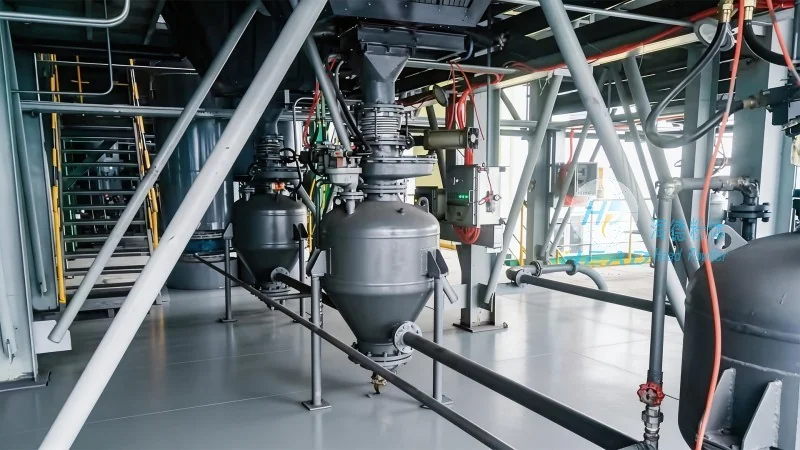
Customization and Integration with Existing Facilities
Shandong HeadPowder Engineering Co., Ltd. specializes in providing customized tri-metal material pneumatic conveying solutions that can be integrated seamlessly with existing industrial facilities. The company works closely with clients to understand their specific operational requirements, material characteristics, and production goals, and then designs a system that meets these needs. Customization may include adjustments to the conveying line diameter, the type of air compressor, the control system, or the receiver hopper design. The company also ensures that the new system is compatible with existing equipment, such as mixers, dryers, or packaging machines, to create a cohesive and efficient production line. This integration capability is particularly important for battery manufacturers who need to upgrade their material handling processes without disrupting their current operations. By working with HeadPowder, clients can benefit from tailored solutions that enhance their production efficiency and product quality.
Maintenance and Longevity of the System
The reliability and longevity of a tri-metal material pneumatic conveying system depend on regular maintenance and proper operation. Shandong HeadPowder Engineering Co., Ltd. provides comprehensive maintenance services to ensure that the system operates at peak performance. Regular maintenance tasks include checking and replacing air filters, inspecting the conveying line for wear or damage, lubricating moving parts, and cleaning the system to prevent material buildup. The company also offers training to clients on how to operate and maintain the system effectively, ensuring that the equipment is used correctly and efficiently. Proper maintenance not only extends the lifespan of the system but also reduces the risk of downtime and operational issues. By investing in regular maintenance, battery manufacturers can ensure that their tri-metal material pneumatic conveying system continues to deliver reliable and efficient performance, supporting their production goals and maintaining product quality.




