

Operation Process and Working Principle of Reduction Iron Powder Pneumatic Conveying System
Understanding the operation process and working principle of a reduction iron powder pneumatic conveying system is crucial for optimizing material handling in industrial applications. This system, designed by Shandong HeadPowder Engineering Co., Ltd., a leading manufacturer based in Shandong, China, efficiently transports reduction iron powder through an air-based system, ensuring high efficiency and minimal material loss.
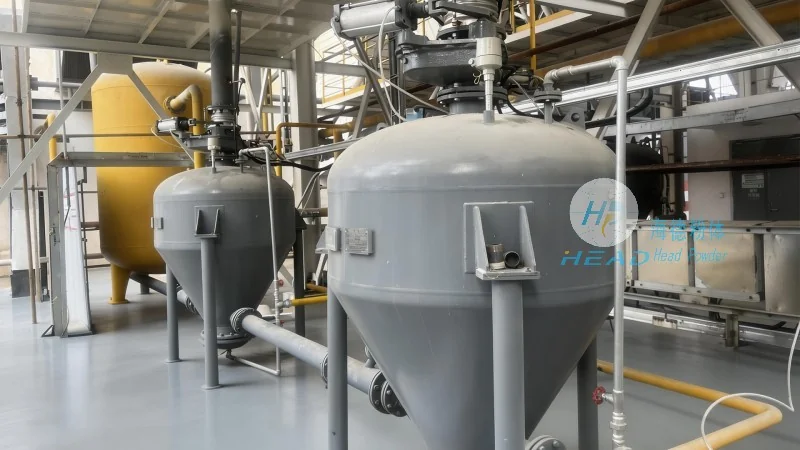
System Overview and Core Components
The reduction iron powder pneumatic conveying system consists of several key components that work in tandem to achieve effective material transport. These include a hopper for material storage, a rotary valve or feeder to control the flow of iron powder, a pneumatic conveying line with a series of pipes and ducts, a blower or air compressor to generate the necessary air pressure, and a receiver or discharge unit for the final delivery of the material. Each component plays a vital role in maintaining the system's performance and reliability.
Working Principle of the Pneumatic Conveying Process
The operation of the reduction iron powder pneumatic conveying system begins with the material being fed from the hopper into the conveying line. The rotary valve or feeder regulates the amount of iron powder released into the system, ensuring a consistent flow rate. Simultaneously, the blower or air compressor generates a high-pressure air stream that travels through the conveying line. As the air moves through the pipes, it picks up the iron powder particles, creating a slurry-like mixture known as a "pneumatic stream." This stream is then transported through the system's ductwork to the receiving unit. The air and powder mixture is separated at the receiver, where the iron powder is collected in a container, and the air is either filtered and recirculated or vented to the atmosphere, depending on the system's design and environmental requirements.
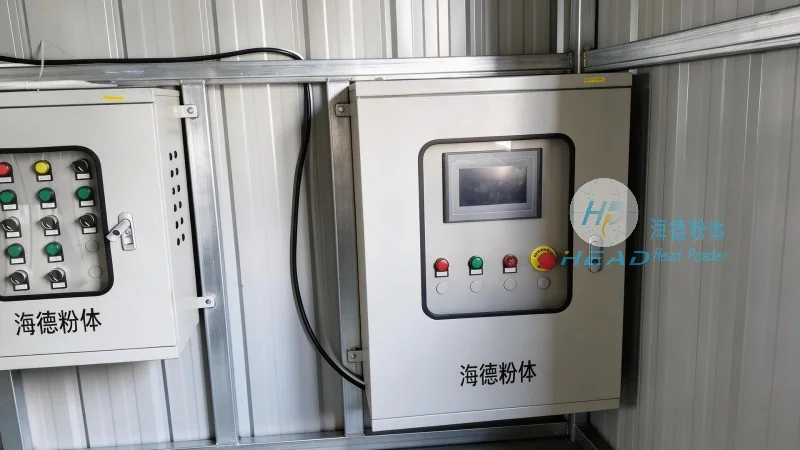
Key Operational Steps and Process Flow
The operational process of the reduction iron powder pneumatic conveying system involves several sequential steps that ensure smooth and efficient material transport. First, the hopper is filled with reduction iron powder, and the system is started by activating the blower. The feeder then begins to discharge the material into the conveying line at a controlled rate. The air pressure generated by the blower creates a vacuum or positive pressure within the system, depending on the configuration, which pulls or pushes the powder through the pipes. The conveying line may include bends, elbows, and other fittings that are designed to handle the flow of the powder-air mixture without causing blockages or material degradation. At the end of the line, the receiver collects the iron powder, and the system's control panel monitors parameters such as pressure, flow rate, and temperature to maintain optimal performance. Regular maintenance, including cleaning the hopper, checking the blower performance, and inspecting the conveying line for any obstructions, is essential to prevent system downtime and ensure long-term reliability.
Advantages of Using a Pneumatic Conveying System for Reduction Iron Powder
Employing a pneumatic conveying system for reduction iron powder offers several advantages over traditional mechanical conveying methods. One of the primary benefits is the ability to transport the material over long distances without the need for multiple transfer points or intermediate storage. This reduces the risk of material contamination and loss, as the entire process is contained within the system. Additionally, pneumatic conveying systems are less prone to material degradation, such as caking or agglomeration, which can occur with mechanical systems that involve direct contact between the powder and equipment surfaces. The system also provides better control over the flow rate and pressure, allowing for precise dosing and delivery of the iron powder to downstream processes, such as mixing or compounding. Furthermore, the system's design can be customized to handle different particle sizes and moisture contents of the reduction iron powder, making it versatile for various industrial applications.
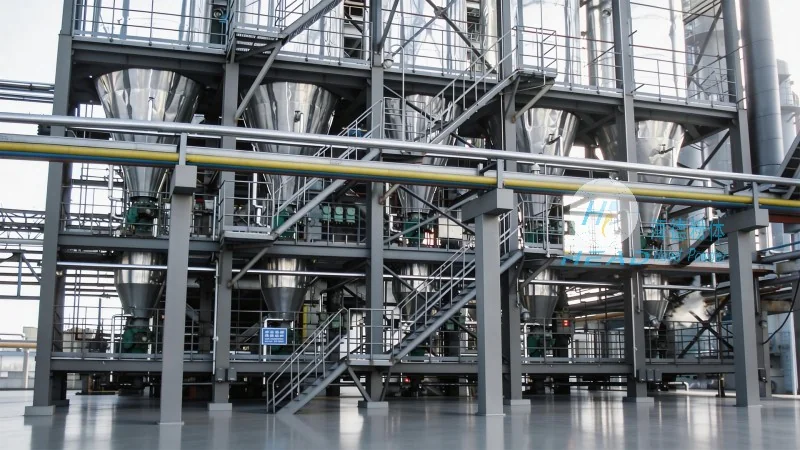
Applications and Industries Served
The reduction iron powder pneumatic conveying system is widely used in various industries that require the efficient handling of iron powder. These include the steel and iron production industry, where reduction iron powder is used as a raw material in the production of steel and other alloys. The system is also utilized in the chemical and pharmaceutical industries, where the powder is used as a component in the manufacturing of iron-based compounds and pharmaceutical formulations. Additionally, the system finds applications in the food and beverage industry, where iron powder is used as a nutritional supplement or in the production of iron-fortified products. The versatility of the system makes it suitable for a wide range of industrial processes that demand reliable and efficient material transport.
Maintenance and Troubleshooting Tips
To ensure the long-term performance and reliability of the reduction iron powder pneumatic conveying system, regular maintenance and proper troubleshooting are essential. Routine checks should include inspecting the hopper for any buildup of material or blockages, checking the blower for proper air pressure and flow, and examining the conveying line for any signs of wear or damage. The rotary valve or feeder should be cleaned periodically to prevent material accumulation and ensure consistent flow. If the system experiences issues such as reduced conveying efficiency or blockages, it is important to check for air leaks in the system, verify the feeder settings, and inspect the receiving unit for any obstructions. By following these maintenance practices and troubleshooting steps, the system can operate at optimal levels, minimizing downtime and maximizing productivity.