HeadPowder, a leading provider in the field of material handling solutions, specializes in the design, manufacturing, and installation of advanced systems for transporting petroleum coke powder. This article delves into the fundamental principles and operational characteristics of such equipment, offering insights into its functionality and typical application environments.
Company Overview and Expertise
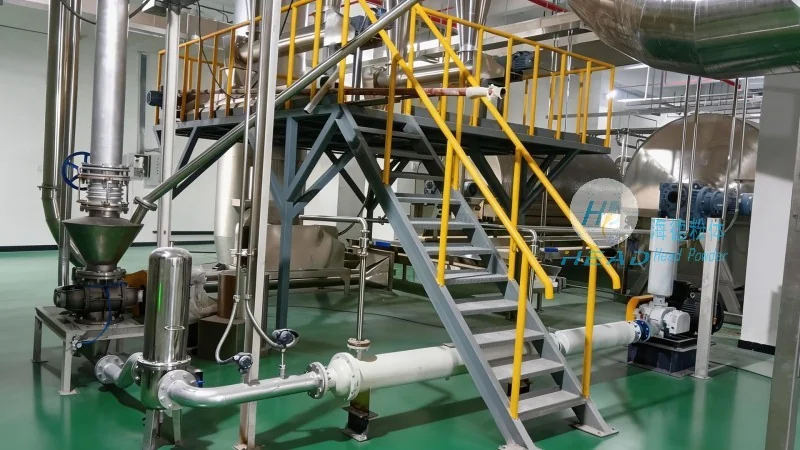
Shandong HeadPowder Engineering Co., Ltd., headquartered in Shandong, China, is dedicated to delivering high-quality material handling equipment tailored to the specific needs of industrial clients. With years of experience in the industry, the company has established itself as a trusted partner for businesses requiring efficient and reliable systems for handling petroleum coke powder. HeadPowder's commitment to innovation and customer satisfaction drives the development of cutting-edge solutions that enhance operational efficiency and safety in material transport processes.
The Core Principle of Petroleum Coke Powder Material Handling Systems
The petroleum coke powder material handling system is engineered to efficiently transport fine powders, such as petroleum coke, from one location to another within industrial facilities. The system typically incorporates a combination of components, including feeders, conveyors, and control mechanisms, all working in harmony to ensure smooth and continuous material flow. The primary principle revolves around the use of mechanical forces, such as gravity, air pressure, or mechanical drive systems, to move the powder through the system. For instance, pneumatic conveying systems utilize compressed air to propel the powder through pipelines, while mechanical conveyors rely on rotating components like belts or screws to transport the material. The design of these systems is optimized to minimize material degradation, prevent dust emissions, and maintain consistent flow rates, which are critical for maintaining product quality and operational stability.
Key Components and Their Functions
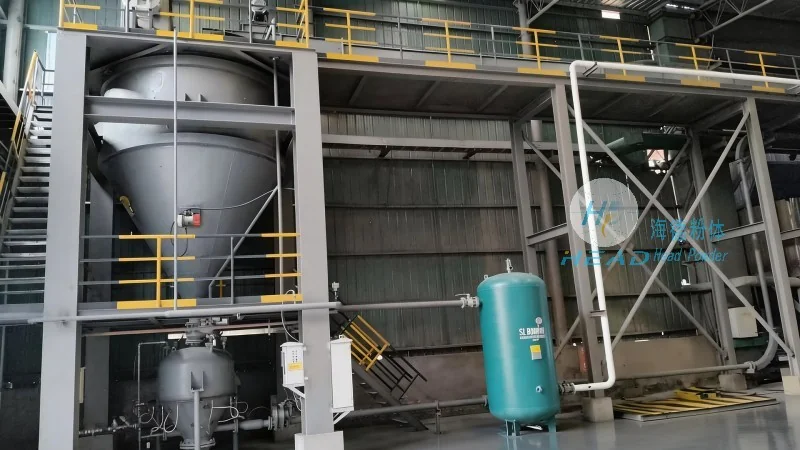
Several key components make up a typical petroleum coke powder material handling system. The feed hopper is the initial component that receives the petroleum coke powder from a storage silo or bulk container. It is designed to regulate the flow of material into the system, preventing overloading and ensuring a steady feed rate. The feeder, often a rotary valve or a screw feeder, then transfers the powder from the hopper to the conveyor section. The conveyor itself, which may be a pneumatic pipeline or a mechanical conveyor like a belt or screw conveyor, is responsible for transporting the powder to the destination point. In pneumatic systems, the pipeline is equipped with pressure regulators and filters to maintain optimal air pressure and prevent clogging. The control system, which includes sensors and a control panel, monitors the flow rate, pressure, and other parameters, allowing for real-time adjustments to maintain system efficiency and safety. Additionally, dust collection and filtration systems are integrated to capture and remove airborne particles, ensuring compliance with environmental regulations and maintaining a safe working environment.
Working Scene Characteristics and Application Environments
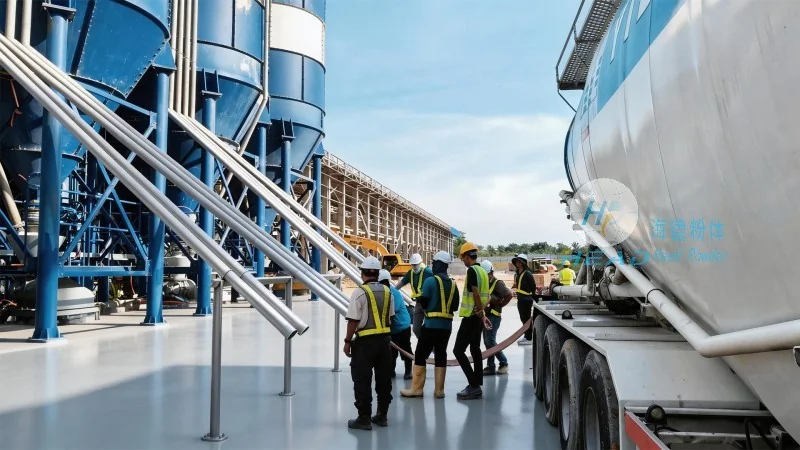
The working scene characteristics of petroleum coke powder material handling systems are closely tied to the specific industrial applications they serve. These systems are commonly found in power plants, steel mills, and petrochemical facilities, where petroleum coke is used as a fuel or raw material. The operational environment is typically characterized by high temperatures, dust, and the need for continuous operation to meet production demands. The equipment is designed to withstand these harsh conditions, with materials such as stainless steel or specialized coatings used to prevent corrosion and wear. The system's layout is often customized to fit the existing facility infrastructure, with pipelines or conveyor routes integrated into the plant layout to minimize disruption and maximize efficiency. In power plants, for example, the system may be used to transport petroleum coke from storage silos to the boiler feed system, where it is burned as fuel to generate electricity. The continuous operation of the system is crucial for maintaining a steady fuel supply, and any downtime can lead to significant operational disruptions. Similarly, in steel mills, the system may be used to transport petroleum coke to the blast furnace, where it is used as a reducing agent in the steelmaking process. The system's reliability and efficiency are therefore critical to the overall productivity of the facility.
Advantages and Benefits of the System
The petroleum coke powder material handling system offers several advantages that make it an ideal solution for industrial applications. One of the primary benefits is its ability to handle fine powders efficiently, with minimal material degradation and loss. The system's design minimizes the risk of clogging and ensures consistent flow rates, which helps maintain product quality and reduce waste. Additionally, the system is highly customizable, allowing it to be tailored to the specific requirements of each client. This flexibility enables HeadPowder to provide solutions that meet the unique needs of different industries and facilities. The system also contributes to improved safety and environmental compliance by integrating dust collection and filtration systems, which reduce airborne particles and prevent pollution. Furthermore, the use of advanced control systems allows for real-time monitoring and adjustment, enhancing operational efficiency and reducing the need for manual intervention. These advantages make the petroleum coke powder material handling system a valuable asset for any industrial facility seeking to improve its material handling processes and overall productivity.
Conclusion
In conclusion, the petroleum coke powder material handling system is a sophisticated and efficient solution for transporting fine powders in industrial settings. Developed by Shandong HeadPowder Engineering Co., Ltd., this system combines advanced engineering principles with robust components to deliver reliable and high-performance material transport solutions. The system's design and functionality are tailored to meet the demands of various industrial applications, ensuring optimal performance and safety. By understanding the core principles and working scene characteristics of this equipment, industrial clients can make informed decisions about implementing such systems to enhance their operational efficiency and meet their production goals. HeadPowder's expertise and commitment to quality ensure that clients receive systems that are not only effective but also durable and cost-efficient in the long run.




