

Principle and Working Scene Characteristics of Metal Powder Pneumatic Conveying System Equipment
HeadPowder, a leading manufacturer based in Shandong, China, specializes in the design and production of advanced metal powder pneumatic conveying systems. These systems are engineered to efficiently transport metal powders and related materials in industrial settings, offering a reliable solution for material handling challenges. The core principle of pneumatic conveying involves using compressed air or other gases to move particulate materials through a pipeline network, ensuring safe and efficient material transfer without the need for mechanical components like belts or buckets.
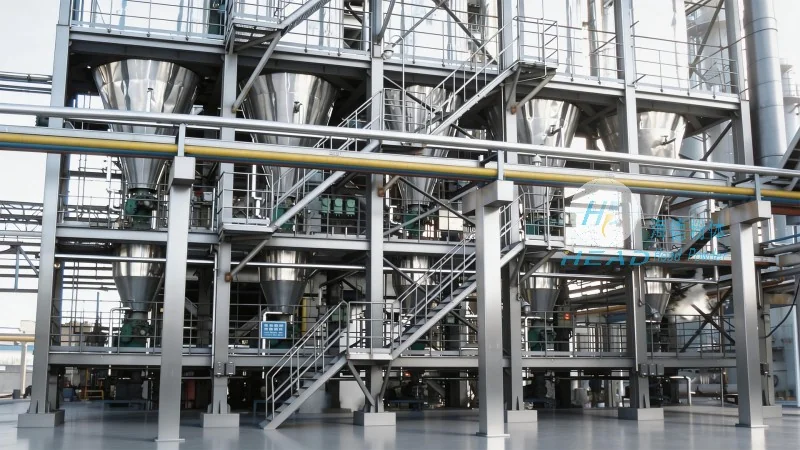
Working Principle of Metal Powder Pneumatic Conveying Equipment
The operation of metal powder pneumatic conveying systems is based on the fundamental physics of fluid dynamics and particle transport. When compressed air is introduced into the system, it creates a pressure differential that propels the metal powder particles through the conveying line. The system typically consists of a hopper for material storage, a feeder to control the flow rate, a conveying line with appropriate diameter and length, and a receiver to collect the material at the destination. The choice of conveying method—such as dilute phase or dense phase—depends on the specific characteristics of the metal powder, including particle size, density, and moisture content. Dilute phase systems use higher air velocities to suspend particles in the air stream, while dense phase systems employ lower velocities to maintain a more concentrated flow, reducing the risk of particle degradation or blockages.
Key Components of Metal Powder Pneumatic Conveying Systems
Each metal powder pneumatic conveying system from HeadPowder is equipped with essential components that ensure optimal performance and reliability. The hopper, often equipped with a discharge valve or rotary valve, stores the metal powder and regulates the material flow into the feeder. The feeder, which may be a rotary valve or a screw feeder, controls the rate at which powder is introduced into the conveying line, preventing overloading and maintaining consistent flow. The conveying line, made from materials resistant to corrosion and wear (such as stainless steel or special alloys), is designed to withstand the abrasive nature of metal powders. The receiver, typically a hopper or a storage tank, collects the material at the end of the conveying line, with features like a dust filter or a vent to manage air pressure and prevent contamination. Additionally, the system may include accessories like filters, silencers, and pressure regulators to enhance efficiency and safety.
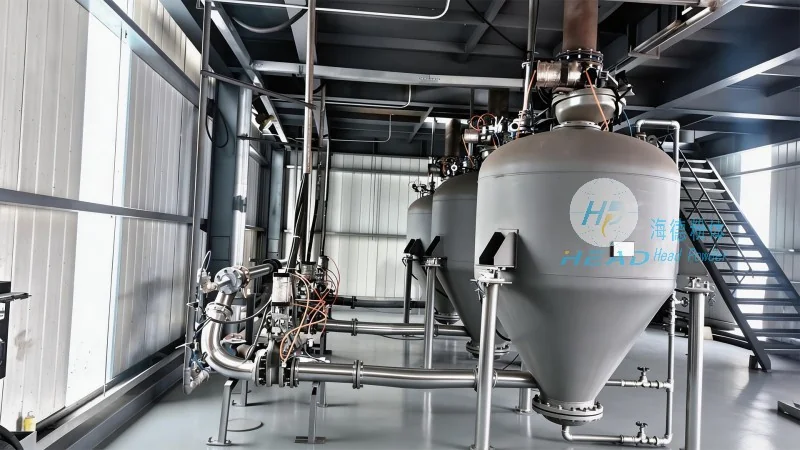
Working Scene Characteristics of Metal Powder Pneumatic Conveying Systems
The application of metal powder pneumatic conveying systems spans various industrial sectors, each with unique requirements and operational conditions. In the metallurgical industry, these systems are used to transport metal powders for sintering, casting, or alloy production, where precision and minimal particle degradation are critical. The pharmaceutical industry also benefits from these systems, as they enable the safe and hygienic handling of metal powders used in drug formulations, ensuring compliance with regulatory standards. In the chemical industry, metal powder pneumatic conveying systems are employed to transport raw materials or intermediates, supporting processes like mixing, blending, and reaction. The food industry, particularly in the production of metal-based food additives or supplements, utilizes these systems to maintain product purity and prevent contamination. Each working scene requires tailored system designs, considering factors such as material properties, environmental conditions, and production scale, to ensure efficient and reliable operation.
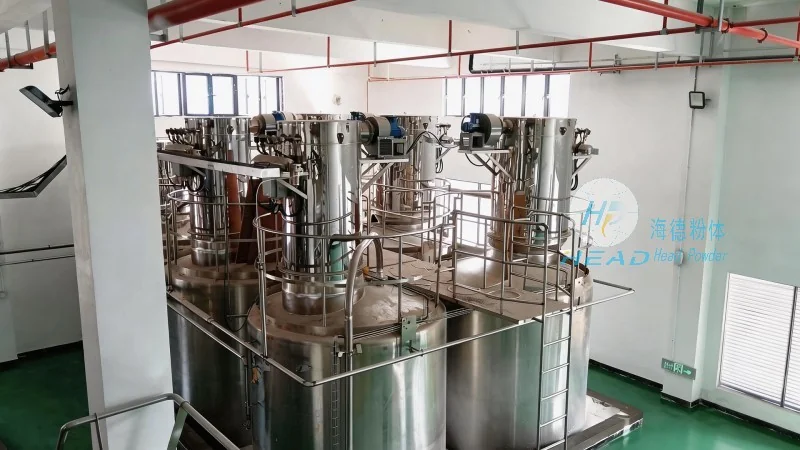
Advantages of Metal Powder Pneumatic Conveying Systems
Compared to traditional mechanical conveying methods, metal powder pneumatic conveying systems offer several advantages that make them a preferred choice in many industries. One of the primary benefits is the ability to handle abrasive and corrosive metal powders without significant wear or damage to the system components. The absence of moving parts in the conveying line reduces maintenance requirements and extends the system's operational life. Additionally, these systems provide a dust-free and enclosed environment, minimizing the risk of particle loss, contamination, or exposure to workers. The flexibility of pneumatic conveying allows for the integration of multiple conveying lines, enabling the transfer of materials between different locations or processes within a facility. This adaptability makes the systems suitable for complex production layouts and dynamic operational needs. Furthermore, the energy efficiency of modern pneumatic conveying systems, particularly when using optimized air flow and pressure control, reduces operational costs and environmental impact.
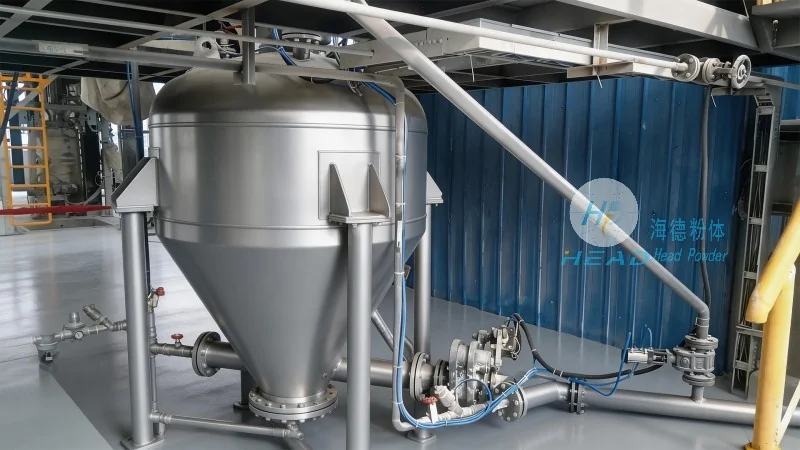
Applications in Specific Industries
HeadPowder's metal powder pneumatic conveying systems are widely adopted across diverse industrial applications, demonstrating their versatility and effectiveness. In the aerospace industry, these systems are used to transport metal powders for additive manufacturing, where precise particle size and flow control are essential for producing high-quality metal parts. The automotive industry benefits from these systems in the production of metal powders for brake pads, clutch components, and other automotive parts, ensuring consistent material quality and performance. The electronics industry, which relies on metal powders for circuit board manufacturing and component assembly, utilizes pneumatic conveying to maintain the purity of materials and prevent contamination. The construction industry also employs these systems for the handling of metal powders used in concrete additives or structural components, supporting efficient material transport and reduced labor costs. Each application leverages the unique features of the metal powder pneumatic conveying system, such as high material throughput, low maintenance, and enclosed operation, to enhance productivity and product quality.
Customization and Integration for Optimal Performance
HeadPowder understands that each industrial application has distinct requirements, and therefore, offers customized metal powder pneumatic conveying systems tailored to specific needs. The company works closely with clients to assess their material handling challenges, production volumes, and operational constraints, designing systems that meet both functional and regulatory requirements. Customization may include adjustments to the conveying line diameter, the type of feeder, the receiver design, or the integration of additional components like filters or silencers. The integration of these systems into existing production lines is carefully planned to ensure seamless operation and minimal disruption. HeadPowder's team of engineers and technicians provides comprehensive support, from system design and installation to maintenance and troubleshooting, ensuring that the metal powder pneumatic conveying system operates at peak efficiency throughout its lifecycle. This commitment to customization and integration enables clients to achieve optimal performance, reduced downtime, and improved overall operational efficiency.