

Working Principle and Characteristics of Calcium Hydroxide Powder Pneumatic Conveying
Calcium hydroxide, commonly known as slaked lime, is a widely used chemical in various industrial applications, including construction, water treatment, and manufacturing processes. The efficient and reliable transport of calcium hydroxide powder from storage to processing equipment is crucial for maintaining production efficiency and product quality. Pneumatic conveying systems have emerged as a preferred method for handling this fine powder due to their ability to handle delicate materials and minimize dust exposure. This article explores the working principle and key characteristics of calcium hydroxide powder pneumatic conveying systems, highlighting the technology's advantages and practical applications.
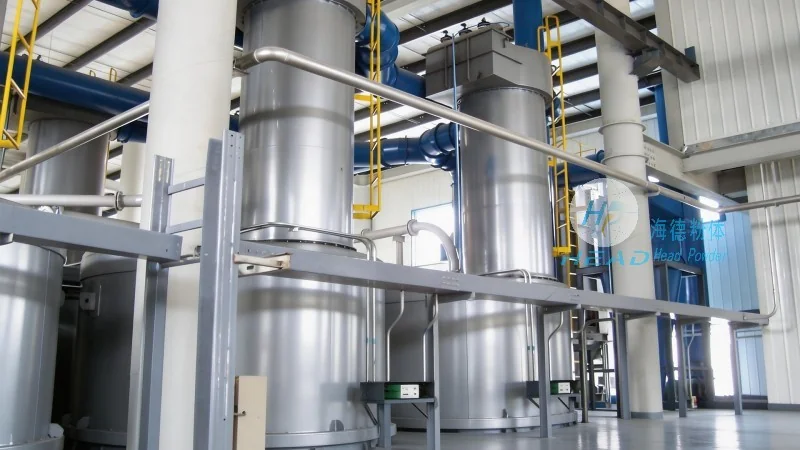
Company Overview: Shandong HeadPowder Engineering Co., Ltd.
HeadPowder, a leading provider of material handling solutions, specializes in the design, manufacturing, and installation of pneumatic conveying systems tailored to the needs of various industries. With a strong focus on innovation and customer satisfaction, HeadPowder has established itself as a trusted partner for businesses requiring efficient and safe powder transport solutions. The company's expertise in calcium hydroxide handling ensures that its systems are optimized for the unique properties of this chemical, providing reliable performance in demanding environments.
Understanding Pneumatic Conveying Systems
Pneumatic conveying systems utilize air or gas to transport bulk materials, such as powders and granules, through a network of pipes. These systems can be categorized into two main types: dilute-phase and dense-phase. Dilute-phase systems rely on high-velocity air to suspend the material particles, while dense-phase systems use lower air velocities and higher material concentrations to move the powder more gently. For calcium hydroxide, which is a fine, abrasive powder, dense-phase conveying is often preferred to minimize particle degradation and equipment wear.
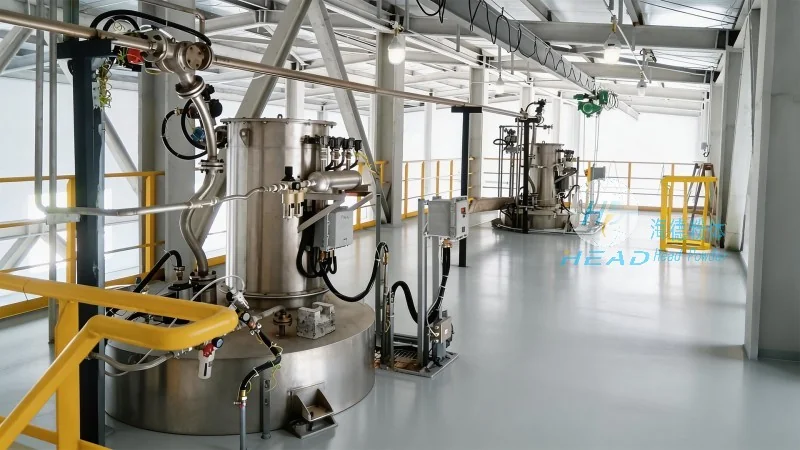
Working Principle of Calcium Hydroxide Powder Pneumatic Conveying
The working principle of a calcium hydroxide powder pneumatic conveying system involves several key components and steps. The process begins with the material being fed from a storage silo or hopper into a feeder, which controls the flow rate of the powder. The feeder then delivers the powder into a conveying line, where it is mixed with compressed air. The air, typically supplied by a blower or compressor, creates a flow that lifts and transports the powder particles through the pipeline. The system may include a series of bends, elbows, and filters to ensure smooth material movement and prevent blockages. At the destination, the powder is separated from the air using a separator or cyclone, and the air is either recycled or vented to the atmosphere. This continuous process allows for the efficient and controlled transport of calcium hydroxide from the source to the processing equipment.
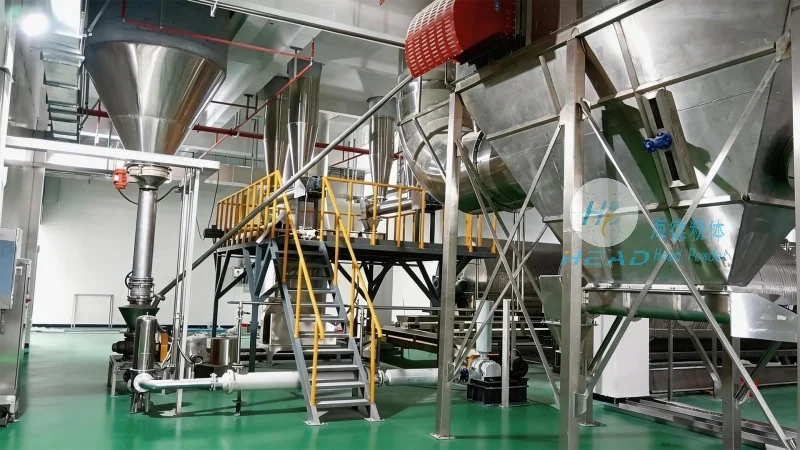
Key Characteristics of Calcium Hydroxide Powder Pneumatic Conveying
Several distinct characteristics define the performance of calcium hydroxide powder pneumatic conveying systems. First, the system's ability to handle fine, cohesive powders without clogging is critical. Calcium hydroxide has a tendency to agglomerate, which can lead to blockages in traditional conveying methods. Pneumatic systems, especially dense-phase designs, effectively break up these agglomerates and maintain a consistent flow. Second, the system offers a dust-free operation, which is essential for maintaining a safe and clean working environment. Unlike mechanical conveyors, which can generate significant dust, pneumatic systems contain the material within the pipeline, reducing exposure risks. Third, the system provides flexibility in terms of layout and integration with existing equipment. HeadPowder's systems can be customized to fit various plant configurations, allowing for seamless integration with storage, processing, and packaging equipment. Fourth, the system's energy efficiency is a notable advantage. By optimizing air flow and pressure, the system minimizes energy consumption while maintaining high transport capacity. Finally, the system's reliability and low maintenance requirements contribute to its long-term cost-effectiveness, making it a preferred choice for continuous production operations.
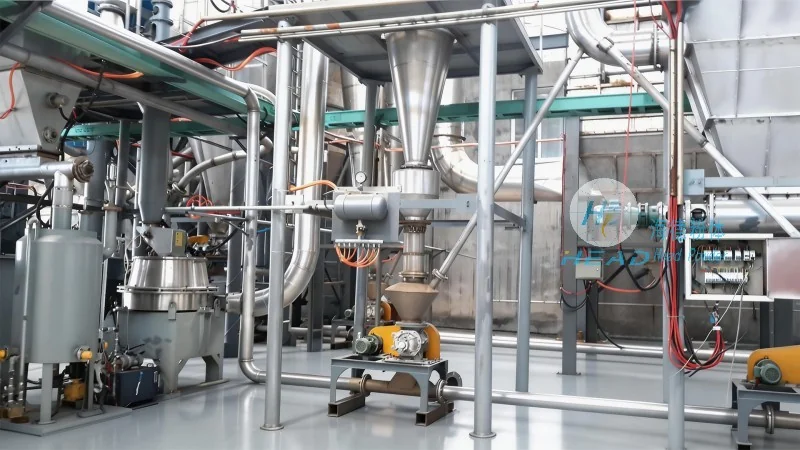
Applications and Benefits in Industrial Settings
Calcium hydroxide powder pneumatic conveying systems are widely used in industries where the material's properties and handling requirements are critical. In the construction industry, these systems are used to transport slaked lime for mortar and concrete production, ensuring consistent quality and reducing material waste. In water treatment facilities, the system efficiently delivers calcium hydroxide for pH adjustment and coagulation processes, improving treatment efficiency and reducing operational costs. Additionally, in the manufacturing sector, the system is employed in the production of calcium carbonate products, where the fine powder needs to be transported without degradation. The benefits of using pneumatic conveying for calcium hydroxide include improved product quality, reduced downtime due to blockages, enhanced worker safety, and increased overall operational efficiency.
Conclusion
Calcium hydroxide powder pneumatic conveying systems represent a sophisticated and effective solution for the transport of this essential chemical. By leveraging the principles of pneumatic transport, these systems offer reliable, efficient, and safe handling of calcium hydroxide, meeting the demands of modern industrial applications. HeadPowder's expertise in designing and implementing such systems ensures that clients receive tailored solutions that optimize performance and minimize operational challenges. As industries continue to seek more efficient and sustainable material handling methods, the role of pneumatic conveying in calcium hydroxide processing will remain vital, driving further innovation and adoption of advanced transport technologies.