Understanding the working principle and characteristics of cassava starch pneumatic conveying is crucial for optimizing material handling processes in industries that rely on this versatile starch source. As a key component in food, pharmaceutical, and industrial applications, cassava starch requires efficient and reliable transport systems to maintain quality and operational efficiency.
Introduction to Cassava Starch Pneumatic Conveying
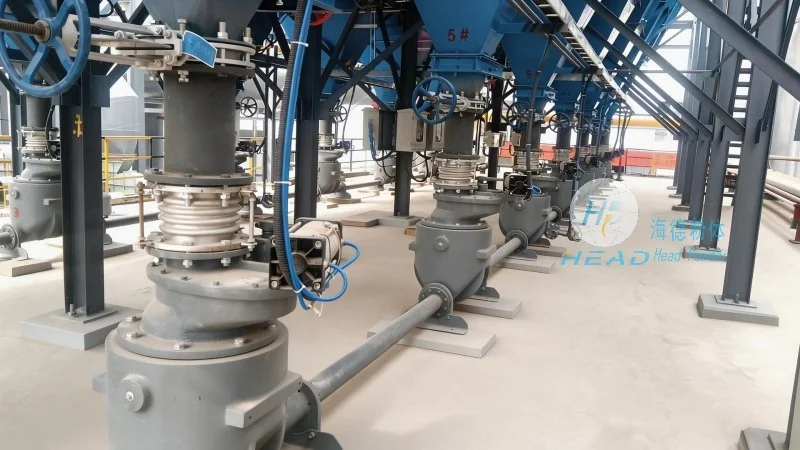
Cassava starch, derived from the root of the cassava plant, is widely used in various sectors due to its high purity and functional properties. Pneumatic conveying, a method that uses air to transport bulk materials, offers a non-contact, hygienic solution for moving cassava starch from storage to processing units. This approach is particularly beneficial for industries where product contamination and material degradation must be minimized.
About HeadPowder: A Leading Provider of Material Handling Solutions
HeadPowder, a prominent name in the material handling industry, specializes in designing and manufacturing advanced pneumatic conveying systems tailored to the unique needs of starch and powder processing. With a strong presence in Shandong, China, HeadPowder Engineering Co., Ltd. leverages decades of expertise to deliver customized solutions that enhance productivity and ensure product integrity. The company’s commitment to innovation and quality has made it a trusted partner for businesses operating in the starch and powder industries.
The Working Principle of Cassava Starch Pneumatic Conveying
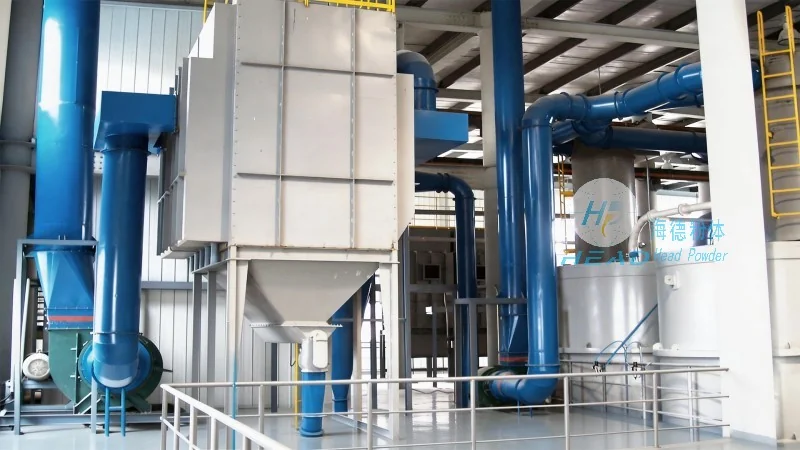
Pneumatic conveying for cassava starch operates on the principle of transporting dry bulk materials using a stream of air. There are two primary types of pneumatic conveying systems: positive pressure and negative pressure. In positive pressure systems, air is blown into the conveying line, pushing the material forward. This method is suitable for long-distance and high-capacity applications, as it can handle larger volumes with less pressure drop. For cassava starch, which is a fine powder, positive pressure systems often use a combination of air and a carrier gas to maintain material flow and prevent clogging. Negative pressure systems, on the other hand, draw material into the system using suction, making them ideal for applications where dust control and product containment are critical. The choice between positive and negative pressure depends on factors such as the distance to be covered, the material's properties, and the required system efficiency.
Key Characteristics of Cassava Starch Pneumatic Conveying
Efficiency and reliability are paramount in cassava starch processing, and pneumatic conveying systems offer several distinct advantages. One of the most significant characteristics is the ability to handle fine powders without the need for mechanical components that could cause product contamination or degradation. The non-contact nature of the system ensures that cassava starch remains free from external contaminants, maintaining its purity and quality. Additionally, pneumatic conveying systems can be designed to operate in a closed loop, reducing dust emissions and improving workplace safety. This is particularly important in food and pharmaceutical industries where regulatory compliance is stringent. Another key characteristic is the flexibility of the system, which can be adjusted to accommodate varying material flow rates and processing requirements. The ability to integrate with existing processing lines without extensive modifications makes pneumatic conveying a cost-effective solution for many businesses. Furthermore, the system's ability to handle different particle sizes and moisture content makes it suitable for a wide range of cassava starch applications, from raw material transport to final product packaging.
Applications and Benefits in Starch Processing
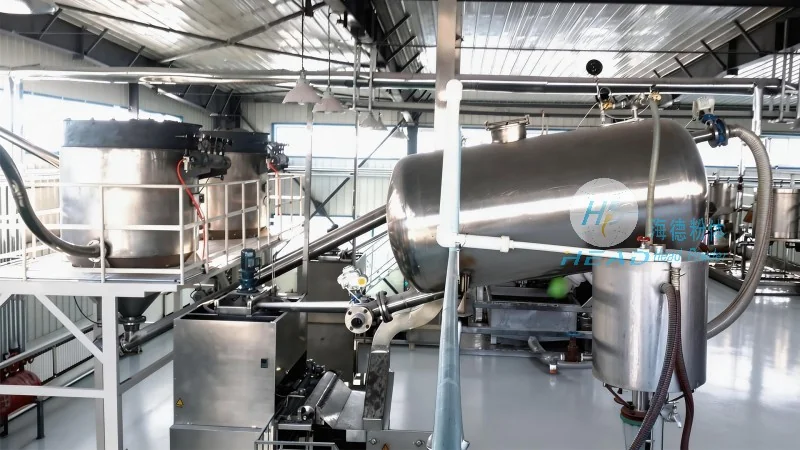
The advantages of cassava starch pneumatic conveying extend to various processing stages, from raw material handling to final product distribution. In the initial stages, the system efficiently transports cassava starch from storage silos to processing units, ensuring a consistent supply of raw material. During processing, the system can be used to move starch through various stages such as milling, drying, and sieving, maintaining the material's quality and preventing cross-contamination. In the final stages, pneumatic conveying can transport finished cassava starch products to packaging lines, where they are prepared for market. The benefits of this method include reduced labor costs, improved safety, and enhanced product quality. By eliminating manual handling and mechanical conveyors, businesses can minimize the risk of product damage and contamination, leading to higher customer satisfaction and brand reputation.




