

[What is the Pneumatic Conveying Equipment for Copper Sulfate Material? What Are Its Design Principl
When it comes to handling copper sulfate, an essential chemical in various industrial applications, the choice of material handling equipment is critical. Pneumatic conveying systems have emerged as a reliable solution for transporting copper sulfate efficiently and safely. This article explores the concept of pneumatic conveying equipment specifically designed for copper sulfate, along with an in-depth look at its design principles.
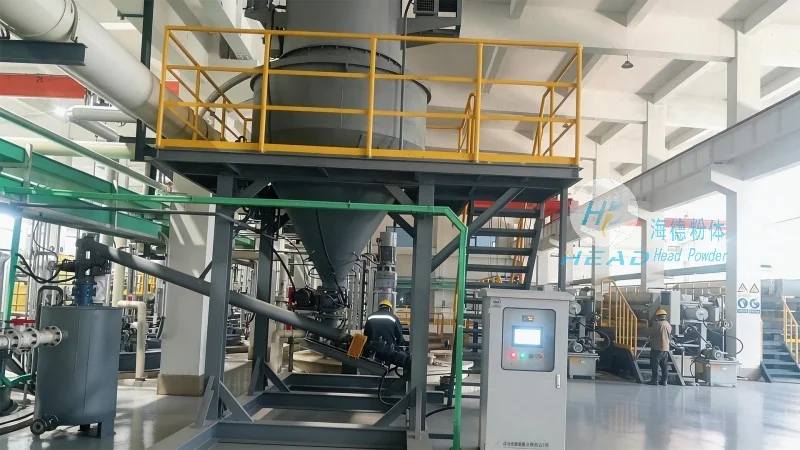
Pneumatic Conveying Equipment for Copper Sulfate: An Overview
Pneumatic conveying equipment for copper sulfate refers to a system that uses compressed air or other gases to transport the material from one location to another. This method is particularly advantageous for copper sulfate due to its hygroscopic nature and the need for controlled handling to prevent caking or degradation. The equipment typically consists of several key components, including a hopper, a conveyor line, a control system, and a dust collection unit. The hopper serves as the storage and feeding point, where the copper sulfate is introduced into the system. The conveyor line, often a pipeline, transports the material using air pressure, while the control system manages the flow and pressure to ensure optimal performance. A dust collection unit is crucial for maintaining air quality and complying with environmental regulations.
Design Principles of Copper Sulfate Pneumatic Conveying Systems
The design of a copper sulfate pneumatic conveying system involves several critical principles aimed at ensuring efficiency, safety, and durability. First, the system must be designed to handle the specific physical and chemical properties of copper sulfate. Copper sulfate is a fine powder that can be prone to agglomeration, especially when exposed to moisture. Therefore, the equipment must incorporate features to prevent caking, such as heated lines or anti-static measures. Second, the system's capacity and flow rate must be carefully calculated based on the required throughput and the characteristics of the material. This involves determining the appropriate air velocity and pipeline diameter to avoid blockages or excessive pressure drops. Third, the design must prioritize safety, considering the potential hazards associated with handling powders, such as dust explosions. This includes implementing explosion-proof components and proper ventilation systems. Fourth, the system should be constructed from materials that are resistant to corrosion and chemical attack, as copper sulfate can be corrosive to certain metals. Common materials used include stainless steel or specialized alloys that can withstand the chemical environment.
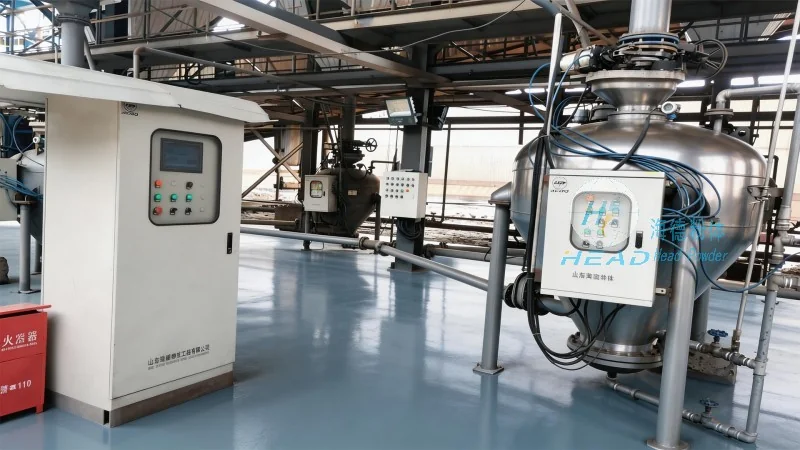
Key Components and Their Functions
Understanding the key components of a copper sulfate pneumatic conveying system is essential for grasping its functionality. The hopper is the primary storage unit, typically equipped with a feeder that controls the material flow into the conveyor line. The feeder may be a rotary valve or a screw feeder, depending on the system's requirements. The conveyor line, usually made of stainless steel or plastic, is designed to withstand the pressure and temperature conditions. The air compressor or blower provides the necessary pressure to move the material through the pipeline. The control system monitors and adjusts the air pressure, flow rate, and material feed to maintain stable operation. The dust collection unit, often a cyclone or baghouse, captures any fine particles that escape the conveyor line, ensuring compliance with air quality standards. Additionally, the system may include a filter or separator to remove moisture or other contaminants from the copper sulfate, improving its quality for downstream processes.
Advantages of Using Pneumatic Conveying for Copper Sulfate
There are several advantages to using pneumatic conveying equipment for copper sulfate. First, it offers a dust-free and enclosed system, which is crucial for maintaining a safe working environment and preventing contamination of the material. Second, the system can handle long distances and multiple transfer points without the need for intermediate storage, reducing the risk of material degradation. Third, the system is highly flexible, allowing for changes in the material flow direction or destination without significant modifications to the equipment. Fourth, it can be integrated with other processes, such as mixing or packaging, to streamline production. Finally, pneumatic conveying is generally more energy-efficient compared to other material handling methods, as it minimizes the need for manual labor and reduces the risk of material spillage.
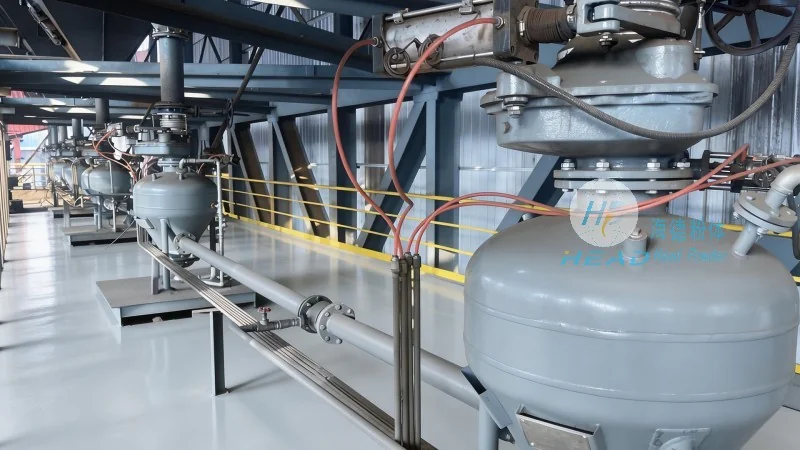
Applications of Copper Sulfate Pneumatic Conveying Systems
The applications of copper sulfate pneumatic conveying systems are diverse and span various industries. In the agricultural sector, copper sulfate is used as a fungicide and algaecide, and the conveying system ensures that the material is transported safely to storage or application sites. In the water treatment industry, copper sulfate is used to control algae growth in reservoirs, and the system facilitates its delivery to treatment facilities. In the mining industry, copper sulfate is used in leaching processes to extract copper from ores, and the conveying system transports the material between different stages of the process. Additionally, in the chemical manufacturing industry, copper sulfate is used as a catalyst or precursor in various reactions, and the system ensures its consistent and reliable supply to production lines.
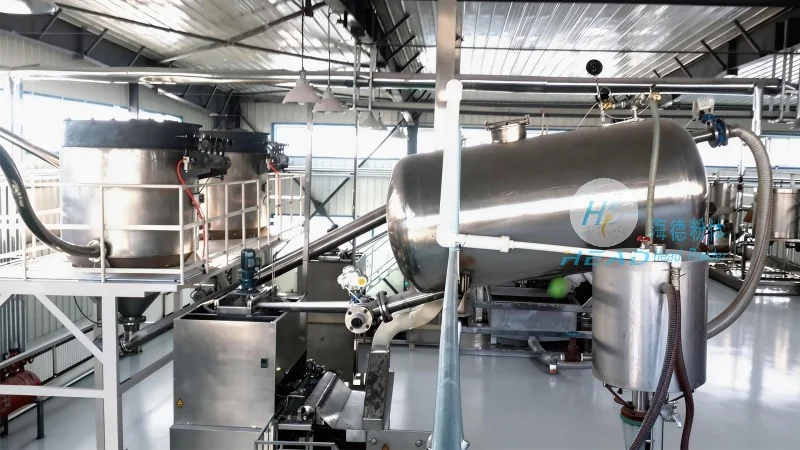
Maintenance and Operational Considerations
Maintaining a copper sulfate pneumatic conveying system requires regular attention to ensure its longevity and performance. Regular cleaning of the hopper, conveyor line, and dust collection unit is essential to prevent clogging and maintain efficiency. The air compressor or blower should be checked for proper operation and lubrication to avoid breakdowns. The control system should be calibrated periodically to ensure accurate monitoring and adjustment of the system's parameters. Additionally, the system should be inspected for signs of wear and tear, such as corrosion or leaks, and repaired or replaced as needed. Proper training of operators is also crucial to ensure safe and efficient operation of the equipment. By following these maintenance and operational considerations, the system can operate at optimal levels, minimizing downtime and maximizing productivity.
Conclusion
Pneumatic conveying equipment for copper sulfate is a vital component in industries that rely on this chemical. The design principles and components of such systems are tailored to handle the unique properties of copper sulfate, ensuring efficient, safe, and reliable material handling. By understanding the key aspects of these systems, businesses can make informed decisions about implementing or upgrading their material handling processes. As technology advances, the design and functionality of these systems continue to improve, offering even greater efficiency and safety for copper sulfate handling. For companies in need of such equipment, Shandong HeadPowder Engineering Co., Ltd., a leading manufacturer based in China, offers high-quality solutions tailored to specific industrial requirements.