

What is a Monocrystalline Silicon Material Pneumatic Conveying System? And What Are Its Design Princ
Monocrystalline silicon is a cornerstone material in the semiconductor industry, widely used in solar panels, microelectronics, and other high-tech applications. The efficient and reliable transportation of this material from production sites to processing facilities is critical for maintaining production efficiency and product quality. A monocrystalline silicon material pneumatic conveying system is a specialized industrial solution designed to handle this delicate material with precision and care. This system utilizes air or gas as the conveying medium to transport silicon particles or wafers, offering a non-contact, low-damage method that is ideal for sensitive materials like monocrystalline silicon.
Understanding the Monocrystalline Silicon Material Pneumatic Conveying System
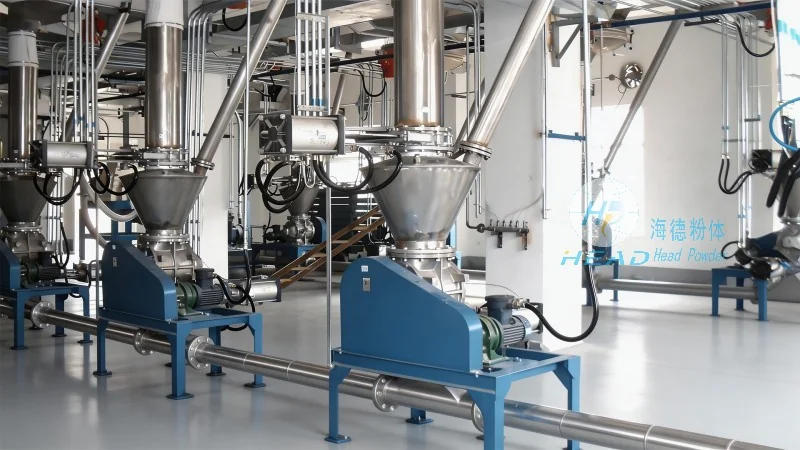
The monocrystalline silicon material pneumatic conveying system is engineered to address the unique challenges of transporting silicon materials, which require minimal friction, low contamination, and precise control over particle flow. At its core, the system consists of several key components, including a hopper for material storage, a feeder to control the flow rate, a conveying line (often equipped with pressure vessels or vacuum systems), and a receiver for the material's final destination. The system operates by introducing air or gas into the conveying line, creating a flow that lifts and transports the silicon particles through the system. This pneumatic method ensures that the material remains intact, preventing scratches, breakage, or contamination that could compromise its performance in downstream processes.
Design Principles of the Pneumatic Conveying System
The design of a monocrystalline silicon material pneumatic conveying system is guided by several fundamental principles to ensure optimal performance and material integrity. First, the system must maintain a low pressure environment to minimize stress on the silicon particles. This is typically achieved through vacuum or low-pressure air systems, which reduce the risk of particle damage during transport. Second, the conveying line and components are constructed from materials that are compatible with silicon and do not introduce contaminants. For example, stainless steel or specialized plastics are often used to prevent chemical reactions or particle adhesion. Third, the system incorporates precise control mechanisms to regulate the flow rate and pressure, ensuring consistent and reliable transport. This includes variable speed feeders, pressure sensors, and flow meters that allow operators to adjust the system parameters based on the material's characteristics and the production requirements. Additionally, the system is designed with easy access points for maintenance and cleaning, which is crucial for maintaining the purity of the silicon material and preventing cross-contamination.
Key Components and Their Functions
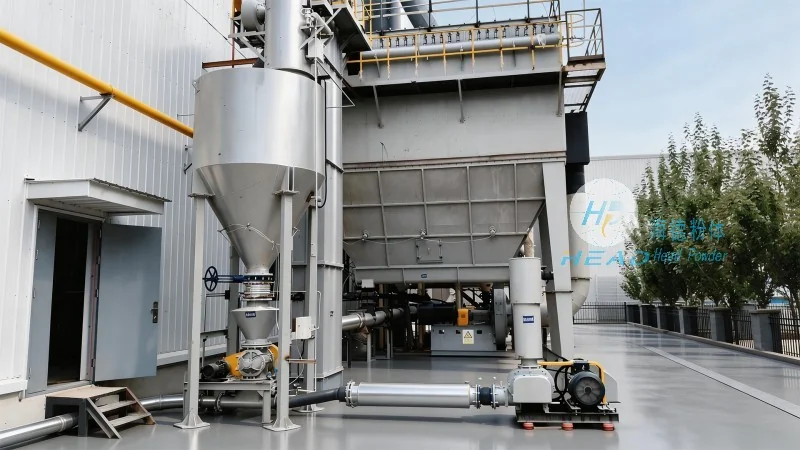
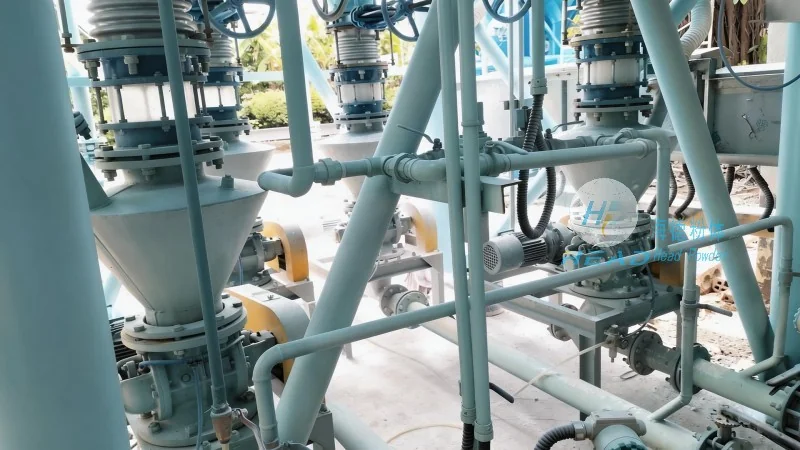
Each component of the monocrystalline silicon material pneumatic conveying system plays a vital role in the overall operation. The hopper serves as the initial storage container, providing a large capacity to hold the silicon material and ensuring a steady supply to the feeder. The feeder, often a rotary valve or a screw feeder, controls the material discharge rate, preventing overloading or underloading of the conveying line. The conveying line itself is typically made of smooth, corrosion-resistant materials to minimize friction and particle wear. It may include bends, elbows, or expansion joints to accommodate changes in direction or elevation, all designed to maintain the material's integrity. The receiver is the final destination for the transported silicon material, often equipped with a filter or separator to remove any air or debris before the material is stored or processed. The system may also include a dust collection system to capture any particles that escape during the conveying process, ensuring environmental compliance and material purity.
Advantages of Using a Pneumatic Conveying System for Monocrystalline Silicon
Compared to traditional mechanical conveying methods, such as belt conveyors or screw conveyors, the monocrystalline silicon material pneumatic conveying system offers several advantages. First, it provides a non-contact transport method, which eliminates the risk of scratches or damage to the silicon particles caused by mechanical friction. This is particularly important for high-value silicon wafers or powders, where even minor damage can significantly impact their performance. Second, the system allows for precise control over the material flow, enabling operators to adjust the speed and volume of transport to match production demands. This flexibility is essential in dynamic manufacturing environments where production rates may vary. Third, the pneumatic system can transport materials over longer distances with fewer intermediate points, reducing the overall footprint of the production facility and improving operational efficiency. Additionally, the system is relatively easy to integrate with other production equipment, such as furnaces or processing lines, allowing for seamless material transfer and reducing downtime.
Customization and Application in the Semiconductor Industry
Shandong HeadPowder Engineering Co., Ltd., a leading provider of industrial conveying solutions, specializes in designing and manufacturing monocrystalline silicon material pneumatic conveying systems tailored to the specific needs of the semiconductor industry. The company, commonly known as HeadPowder, leverages years of experience and advanced engineering to develop customized systems that meet the stringent requirements of silicon material handling. Whether for transporting silicon powders, wafers, or other forms of monocrystalline silicon, HeadPowder's systems are engineered to ensure maximum material integrity, minimal contamination, and reliable performance. The company's design team works closely with clients to understand their production processes, material characteristics, and operational goals, ensuring that the final system is optimized for efficiency and effectiveness. HeadPowder's commitment to quality and innovation has made it a trusted partner for many semiconductor manufacturers, providing them with reliable solutions that enhance their production capabilities and maintain their competitive edge in the industry.