

What is a Food Salt Material Pneumatic Conveying System? What are its Design Principles?
Food salt, a fundamental ingredient in the food industry, requires efficient and hygienic handling from production to processing. A pneumatic conveying system for food salt is a specialized equipment setup designed to transport granular salt using air or gas as the conveying medium. This method offers advantages over traditional mechanical conveyors, particularly in maintaining product purity and operational flexibility. The design principles behind such systems are crucial for ensuring reliable performance, especially when dealing with sensitive food materials like salt.
Understanding Food Salt Pneumatic Conveying Systems: Design Principles and Applications
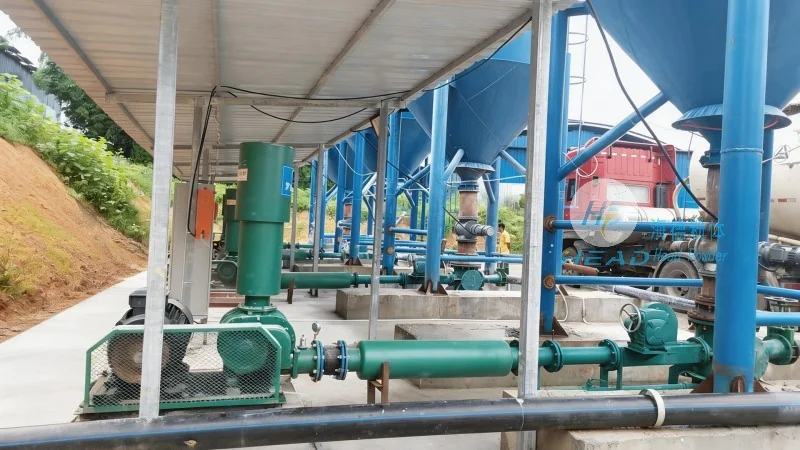
A pneumatic conveying system for food salt operates by creating a flow of air or gas through a closed pipeline system. The salt is suspended in the air stream and transported to the destination. This process is widely used in the food processing industry due to its ability to handle fine powders and granules without the need for direct contact with mechanical parts that could introduce contaminants. The system typically includes components like a hopper for material storage, a rotary valve for controlled discharge, a positive displacement blower or centrifugal fan to generate the air flow, and a separation unit to return the air to the system while capturing the salt.
The Core Components of a Pneumatic Conveying System for Food Salt
The effectiveness of a food salt pneumatic conveying system depends on the integration of several key components. The material hopper is designed to hold the salt and feed it into the system at a controlled rate. A rotary airlock or feeder ensures that the salt flows continuously without creating blockages. The blower or fan provides the necessary pressure and airflow to move the salt through the pipeline. The pipeline itself is constructed from materials that are food-grade and resistant to corrosion, such as stainless steel, to maintain hygiene standards. The separation unit, often a cyclone or filter, captures the salt particles from the air stream and returns them to the process, while the clean air is recirculated or vented as needed.
Design Principles for Efficient Food Salt Conveying
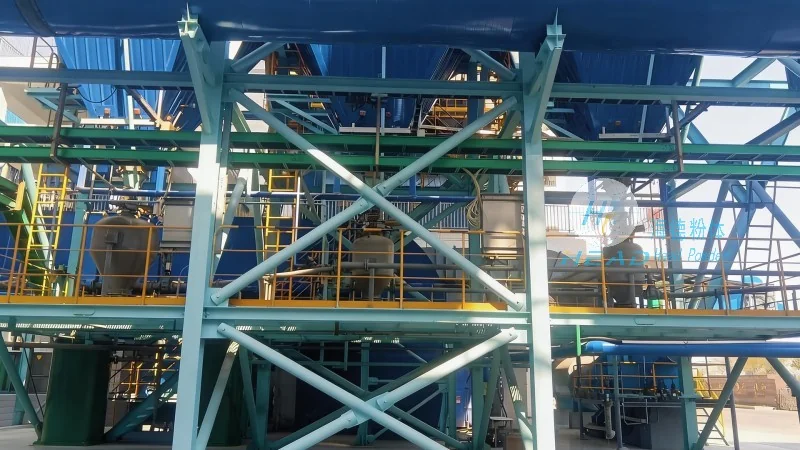
Designing a pneumatic conveying system for food salt involves several critical principles to ensure optimal performance. The system must be designed to handle the specific properties of salt, including its particle size, density, and flow characteristics. The air velocity in the pipeline is a key factor; it must be high enough to keep the salt particles suspended but low enough to prevent excessive wear on the equipment. The pressure drop across the system is another important consideration, as it affects the energy consumption and overall efficiency. Proper sizing of the blower and pipeline diameter is essential to maintain consistent flow rates and avoid pressure losses. Additionally, the system should incorporate features that prevent product degradation, such as minimal exposure to air and temperature control, which is vital for maintaining the quality of food-grade salt.
Applications and Benefits in Food Processing
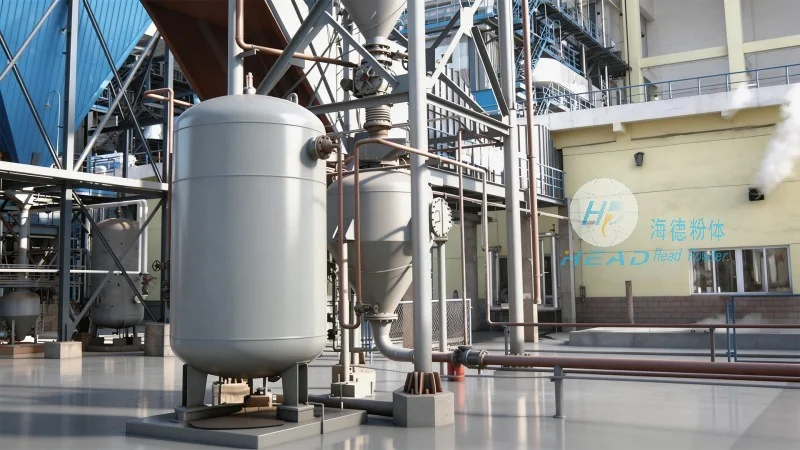
Food salt pneumatic conveying systems are widely employed in various stages of food processing, from raw material handling to final product packaging. In salt production facilities, these systems are used to transport raw salt from storage silos to processing equipment, such as crushers or grinders. In food processing plants, they efficiently move salt from processing lines to packaging machines, ensuring a continuous and hygienic supply. The benefits of using pneumatic conveying for food salt include improved product cleanliness, reduced labor costs due to automated operation, and enhanced safety by minimizing direct human contact with the material. Furthermore, the system's flexibility allows for easy integration into existing production lines and the ability to handle varying salt quantities without significant adjustments.
Conclusion
A pneumatic conveying system for food salt is a sophisticated piece of equipment that combines engineering principles with food safety standards to efficiently transport salt in the food industry. The design principles, including material selection, air velocity control, and system integration, are critical to achieving reliable and hygienic operation. Companies like Shandong HeadPowder Engineering Co., Ltd., based in China, specialize in designing and manufacturing such systems, providing tailored solutions that meet the specific needs of food processing facilities. By adhering to these design principles and leveraging advanced technology, food salt pneumatic conveying systems ensure the efficient and safe handling of this essential ingredient in the food supply chain.