

What is Sorghum Distiller's Grains Powder Pneumatic Conveying? And What Are Its Design Principles?
Sorghum distiller's grains powder pneumatic conveying is a specialized industrial process used to transport fine powders, such as those derived from sorghum distillation processes, through a pipeline using pressurized air or other gas. This method is particularly relevant in the food and beverage industry, where the efficient handling of byproducts like distiller's grains is crucial for maintaining production efficiency and product quality. The following article explores the fundamental aspects of this technology, focusing on its design principles and practical applications.
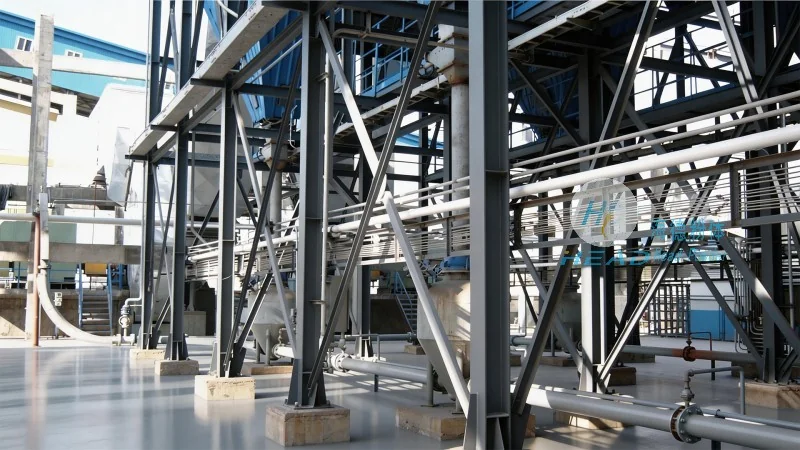
Introduction to Sorghum Distiller's Grains Powder Pneumatic Conveying
Sorghum distiller's grains are a valuable byproduct of the ethanol production process from sorghum. These grains contain nutrients and are often used as animal feed or in other industrial applications. However, their fine, powdery nature makes traditional bulk handling methods inefficient and potentially hazardous. Pneumatic conveying offers a solution by utilizing air to move the powder through a sealed system, minimizing dust emissions and ensuring a controlled, hygienic transport process. This technology is essential for companies dealing with large volumes of distiller's grains, as it streamlines the logistics of moving these materials from production sites to storage or processing facilities.
Design Principles of Pneumatic Conveying Systems for Sorghum Distiller's Grains
The design of a pneumatic conveying system for sorghum distiller's grains powder involves several key principles aimed at optimizing performance, reliability, and cost-effectiveness. The primary goal is to create a system that can handle the specific characteristics of the powder, such as its particle size, moisture content, and flowability. A well-designed system typically includes a combination of components that work in tandem to ensure efficient transport. These components may include a feeder to control the flow rate of the powder, a conveying line with appropriate diameter and length, and a separator to separate the powder from the air at the destination point.
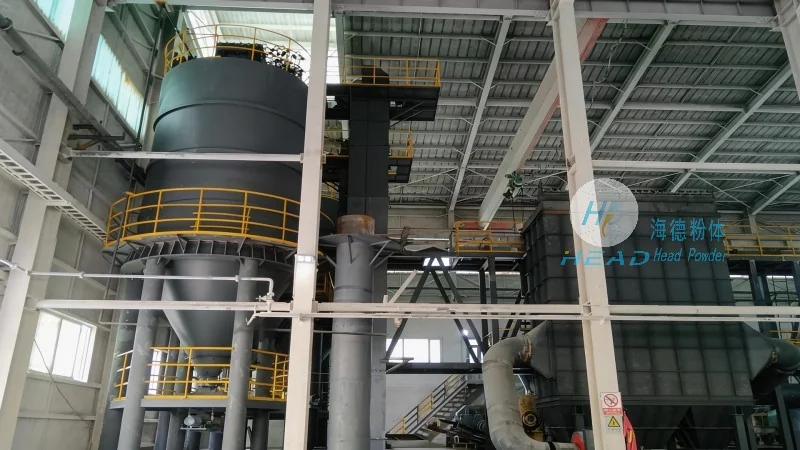
One of the critical design considerations is the choice of conveying air pressure. Systems can be categorized as either positive pressure or negative pressure. Positive pressure systems blow air into the conveying line, pushing the powder forward, while negative pressure systems draw air and powder into the line using a vacuum. For sorghum distiller's grains, positive pressure systems are often preferred due to their ability to handle larger particle sizes and higher flow rates without clogging. The system design also takes into account the material properties of the powder, such as its density and abrasiveness, to select appropriate equipment like rotary valves, airlocks, and filters that can withstand the wear and tear from continuous operation.
Key Components and Their Functions in the System
The effectiveness of a pneumatic conveying system for sorghum distiller's grains powder relies on the proper integration of several key components. The feeder, often a rotary valve or a screw conveyor, is responsible for introducing the powder into the conveying line at a controlled rate. This component must be designed to handle the specific characteristics of the powder, such as its tendency to clump or stick, to prevent blockages. The conveying line itself is typically made of stainless steel or other corrosion-resistant materials to ensure durability and hygiene, as the powder may contain moisture or other substances that could degrade plastic or metal over time.
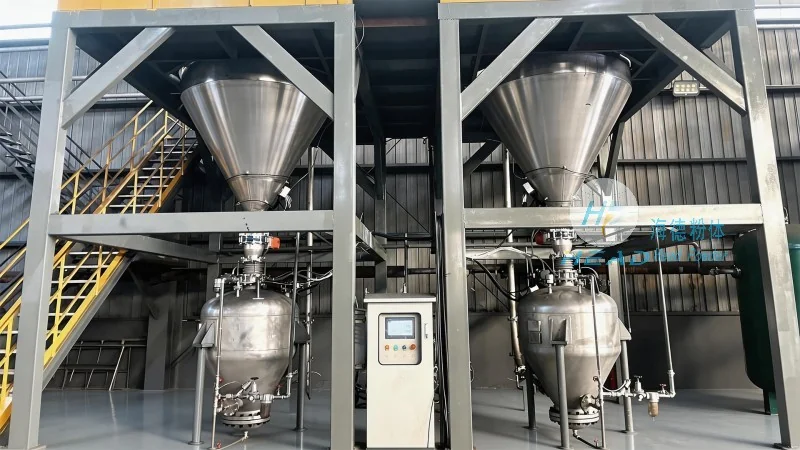
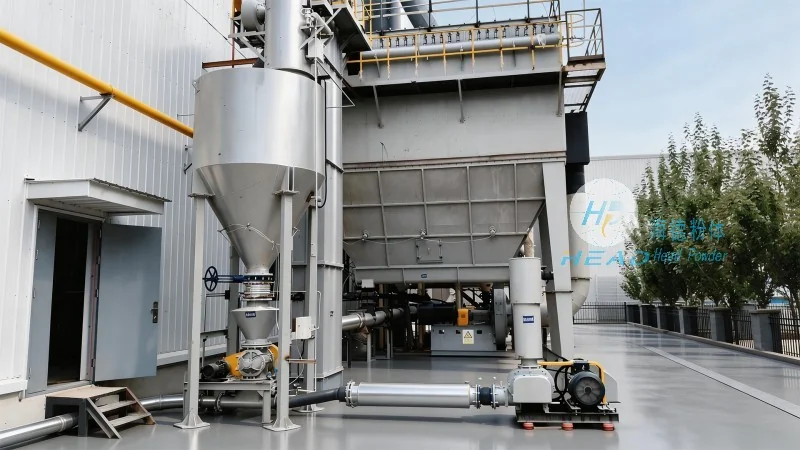
The air compressor or blower provides the necessary pressure to move the powder through the line. The choice of compressor depends on the system's required pressure and flow rate. For high-volume applications, high-pressure blowers are often used, while for longer distances or lower flow rates, vacuum pumps may be more suitable. The separator, located at the end of the conveying line, is a critical component that separates the powder from the air. This is typically achieved through a cyclone separator, which uses centrifugal force to pull the heavier powder particles out of the air stream. The separated powder is then collected in a hopper or storage bin, while the air is either filtered and recirculated or vented to the atmosphere.
Applications and Benefits of Using Pneumatic Conveying for Sorghum Distiller's Grains
Pneumatic conveying systems for sorghum distiller's grains powder find applications in various stages of the distillation process and downstream handling. For example, after the distillation process, the distiller's grains are often dried and ground into a fine powder, which is then conveyed to storage silos or to feed mills for animal feed production. The system can also be used to transport the powder to blending facilities, where it is mixed with other ingredients to create animal feed formulations. The benefits of using pneumatic conveying in these applications are significant. It reduces labor costs by automating the material handling process, minimizes dust exposure for workers, and improves product quality by preventing contamination from external sources. Additionally, the sealed system helps maintain the hygienic standards required in the food and feed industries, ensuring that the final product meets regulatory and quality requirements.
Company Overview: Shandong HeadPowder Engineering Co., Ltd.
Shandong HeadPowder Engineering Co., Ltd. is a leading provider of specialized engineering solutions for powder handling systems, including pneumatic conveying equipment for industries such as food, beverage, and animal feed. With headquarters in Shandong, China, the company has extensive experience in designing and manufacturing systems tailored to the unique needs of its clients. HeadPowder's expertise lies in understanding the specific challenges of handling fine powders like sorghum distiller's grains and developing customized solutions that optimize efficiency, reliability, and cost-effectiveness. The company's commitment to quality and innovation has made it a trusted partner for businesses seeking to improve their material handling processes and enhance overall operational performance.