

What is Loess Powder Pneumatic Conveying? What Are Its Design Principles?
Loess powder pneumatic conveying is a specialized industrial process used for the efficient transport of fine powders, such as loess, through a pipeline using air or gas as the conveying medium. This method is particularly relevant in industries dealing with construction materials, mining, and environmental remediation, where the handling of loose, dry powders is essential. The technology offers a non-contact, low-maintenance solution for moving materials over short to medium distances, making it a preferred choice for applications requiring precise and controlled material transport.
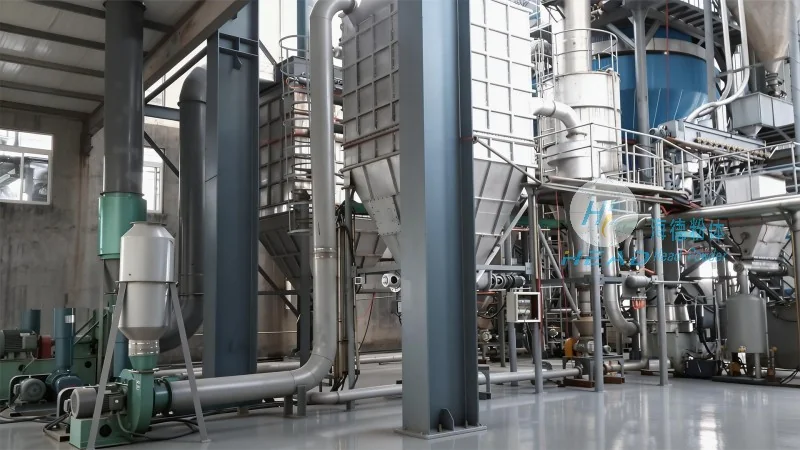
The Core Components of a Loess Powder Pneumatic Conveying System
At the heart of a loess powder pneumatic conveying system are several key components that work in tandem to ensure effective material transport. The primary elements include a material feed hopper, which stores and feeds the loess powder into the system; a conveying line, typically made of metal or flexible tubing, that carries the powder and air mixture; a blower or compressor that generates the necessary air pressure; and a receiver or collection tank where the material is deposited. Additionally, the system may incorporate accessories like filters, cyclones, and pressure regulators to maintain system efficiency and protect equipment from dust and pressure fluctuations.
Design Principles and Key Considerations for Loess Powder Pneumatic Conveying
The design of a loess powder pneumatic conveying system involves several critical principles to ensure optimal performance and reliability. First, the selection of the conveying velocity is crucial; it must be high enough to keep the powder suspended in the air stream but low enough to prevent excessive wear on the pipeline and equipment. Engineers typically calculate the velocity based on the particle size, density, and flow rate of the loess powder, aiming for a velocity that falls within the "inertial" or "drag" conveying regimes. Second, the system's pressure and flow rate must be matched to the material's properties and the required transport distance. High-pressure systems are often used for longer distances or when dealing with more abrasive powders, while low-pressure systems are suitable for shorter runs and less demanding applications.
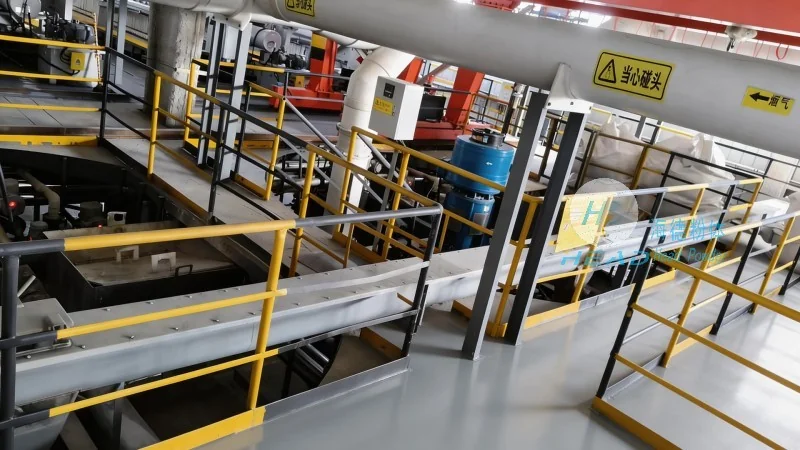
Advantages of Loess Powder Pneumatic Conveying
Loess powder pneumatic conveying offers numerous advantages over traditional mechanical conveying methods. One of the most significant benefits is the lack of mechanical contact between the material and the conveying equipment, which reduces the risk of contamination and equipment wear. This is particularly important for materials like loess, which may contain fine particles that can be easily damaged or contaminated by metal or plastic components. Additionally, the system allows for flexible and compact installations, as the pipeline can be routed around obstacles and in tight spaces, making it ideal for retrofitting existing facilities. The process also enables precise control over material flow, allowing for accurate dosing and batching, which is essential in processes like concrete mixing or pharmaceutical production.
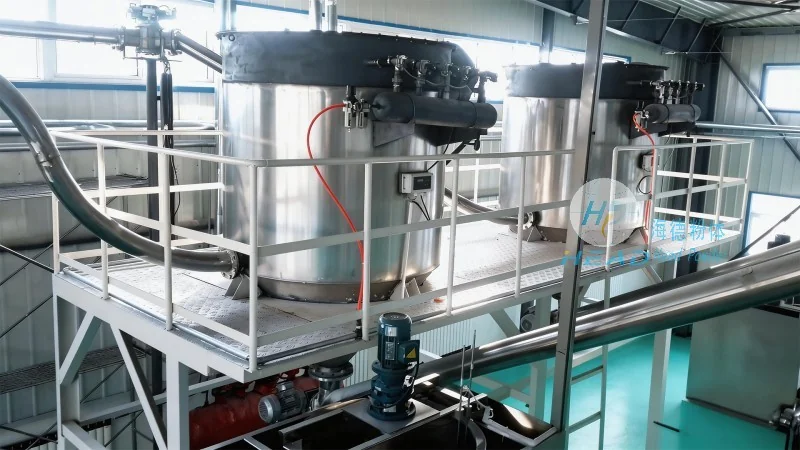
Applications in the Industry
Loess powder pneumatic conveying is widely used in various industrial applications where the handling of fine powders is critical. In the construction industry, it is used to transport loess for concrete production, mortar, and plaster applications. In mining operations, it facilitates the transport of fine ore powders from processing plants to storage or further treatment facilities. Environmental remediation projects also benefit from this technology, as it allows for the safe and efficient removal of contaminated soil or powders from sites. The versatility of the system makes it adaptable to a range of industries, from food processing to chemical manufacturing, where the transport of powders is a common requirement.
Conclusion and Company Overview
Loess powder pneumatic conveying is a sophisticated and efficient method for handling fine powders, offering significant advantages in terms of performance, flexibility, and reliability. The design principles, which focus on material properties, system pressure, and flow control, ensure that the process can be tailored to meet the specific needs of different applications. As a leader in engineering solutions for powder handling, Shandong HeadPowder Engineering Co., Ltd. specializes in designing and manufacturing customized pneumatic conveying systems that meet the unique requirements of clients. With a focus on quality and innovation, the company provides comprehensive solutions for the transport of loess and other fine powders, supporting industries in achieving higher efficiency and operational excellence. Based in Shandong, China, HeadPowder combines technical expertise with practical experience to deliver reliable and effective pneumatic conveying systems that enhance productivity and safety in material handling operations.