

What Are Continuous Material Feeding Conveying Equipment? And What Are Their Design Principles?
Continuous material feeding conveying equipment is a critical component in modern industrial processes, designed to efficiently transport bulk materials from one point to another with minimal interruption. These systems are essential for maintaining smooth production workflows, especially in industries such as manufacturing, mining, and agriculture. The core function of these devices is to ensure a consistent and reliable flow of materials, which directly impacts operational efficiency and productivity. This equipment is provided by Shandong HeadPowder Engineering Co., Ltd., a leading manufacturer based in Shandong, China, specializing in high-quality industrial conveying solutions.
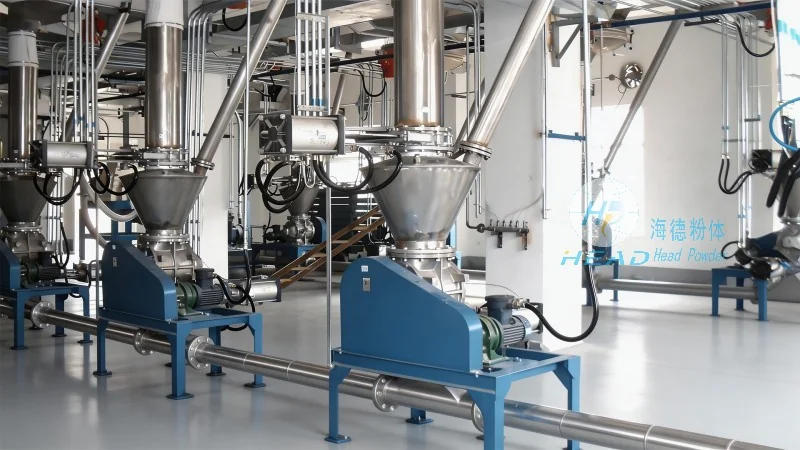
Understanding Continuous Material Feeding Conveying Equipment
At the heart of these systems are mechanisms that enable the continuous movement of materials without the need for manual intervention or frequent stops. This is achieved through various technologies, including belt conveyors, screw conveyors, and pneumatic conveyors, each tailored to specific material characteristics and operational requirements. The equipment is engineered to handle a wide range of materials, from powders and granules to bulk solids, ensuring versatility in industrial applications.
The Design Principles Behind These Conveying Systems
The design of continuous material feeding conveying equipment is guided by several key principles aimed at optimizing performance, durability, and safety. One fundamental principle is the need for a stable and consistent material flow, which is achieved through proper alignment of components and the use of appropriate drive mechanisms. Another critical aspect is the selection of suitable materials for the conveyor components, such as belts, screws, or pipes, to withstand the specific properties of the conveyed materials, including abrasiveness, moisture content, and temperature.
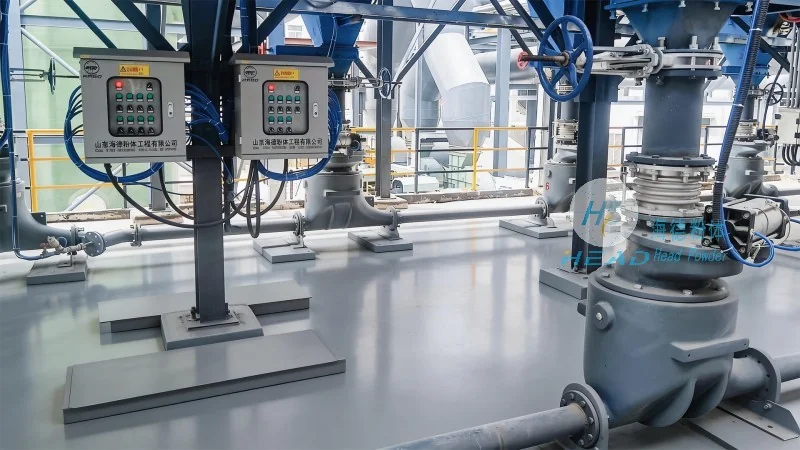
Efficiency is a primary design consideration, with engineers focusing on minimizing energy consumption while maximizing throughput. This involves optimizing the speed of the conveyor, the size of the feed opening, and the overall system layout to ensure that materials are transported with minimal resistance. Additionally, the design incorporates safety features, such as emergency stop buttons and overload protection, to prevent accidents and ensure compliance with industrial safety standards.
Key Components and Their Functions
Continuous material feeding conveying equipment typically consists of several key components, each playing a vital role in the overall operation. The feed hopper is the entry point where materials are loaded into the system, ensuring a uniform flow into the conveyor. The conveyor itself, whether a belt, screw, or pneumatic system, is responsible for the actual movement of materials. The drive system, which may include motors and pulleys or air compressors, provides the necessary power to move the conveyor. Finally, the discharge mechanism, such as a discharge chute or outlet, allows materials to exit the system at the desired location.
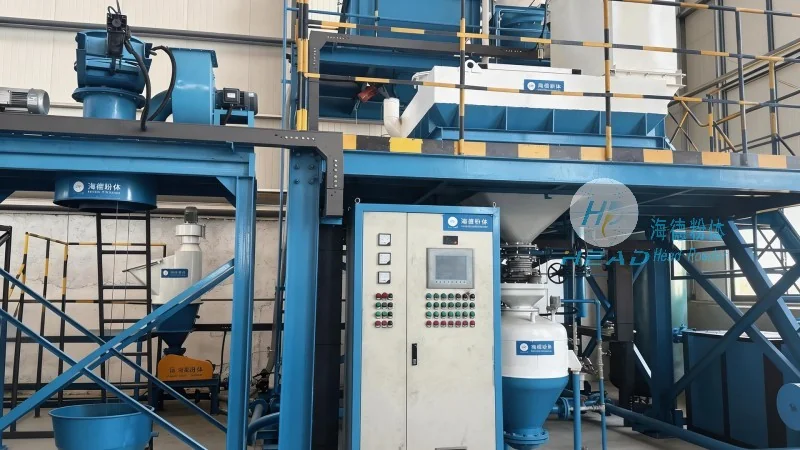
Applications and Industry Impact
These conveying systems find extensive applications across various industries. In manufacturing, they are used to transport raw materials to production lines and finished products to packaging areas. In mining operations, they facilitate the movement of ore and waste materials from extraction sites to processing facilities. In agricultural settings, they help in the handling of grains, seeds, and other bulk agricultural products. The consistent and reliable operation of these systems directly contributes to increased productivity, reduced labor costs, and improved overall operational efficiency in these sectors.
Conclusion
Continuous material feeding conveying equipment, with its robust design and efficient operation, plays a pivotal role in modern industrial operations. By adhering to key design principles and utilizing appropriate components, these systems ensure the smooth and continuous movement of materials, thereby enhancing productivity and operational reliability. As industries continue to evolve, the demand for advanced and reliable conveying solutions will only grow, making these equipment essential for maintaining competitive advantage and operational excellence. Shandong HeadPowder Engineering Co., Ltd. remains committed to delivering innovative and high-performance conveying solutions to meet the evolving needs of industrial clients worldwide.