

Heptahydrate Magnesium Sulfate Material Handling System: What It Is and Its Design Principles
Heptahydrate magnesium sulfate, commonly known as Epsom salt, is a widely used chemical compound in various industrial and agricultural applications. The efficient and reliable transportation of this material from production sites to processing facilities or storage areas is crucial for maintaining operational efficiency and product quality. This article explores the concept of a heptahydrate magnesium sulfate material handling system, detailing its components, operational mechanisms, and the underlying design principles that ensure optimal performance.
Understanding the Heptahydrate Magnesium Sulfate Material Handling System
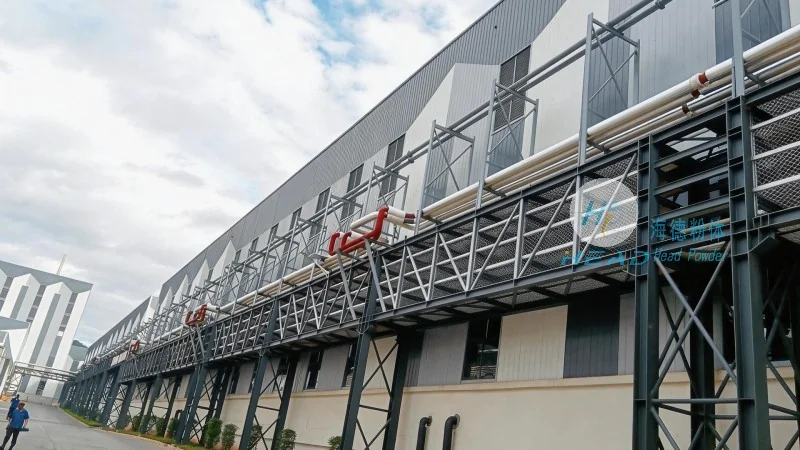
A heptahydrate magnesium sulfate material handling system is a specialized setup designed to manage the movement, storage, and transfer of heptahydrate magnesium sulfate. This system integrates various equipment and processes to ensure the material is handled safely, efficiently, and in compliance with industry standards. The system typically includes components such as bulk storage silos, conveyor systems, feeding mechanisms, and control panels, all working in tandem to facilitate smooth material flow.
Key Components of the Material Handling System
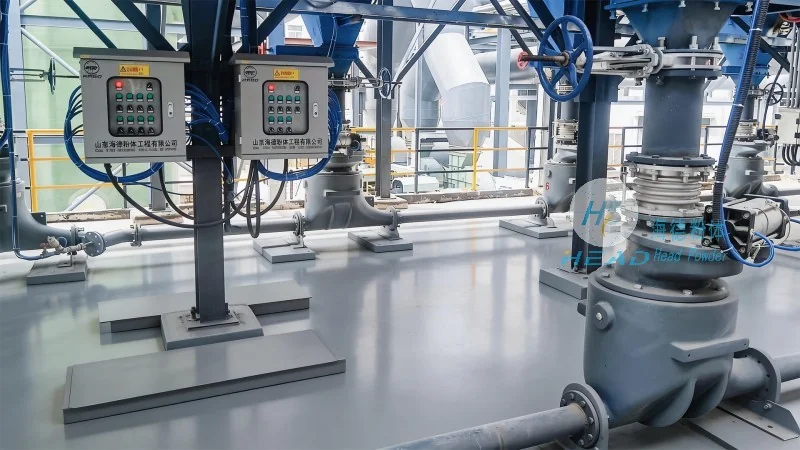
The effectiveness of a heptahydrate magnesium sulfate material handling system relies on its key components, each serving a specific function in the overall operation. Bulk storage silos are used to store large quantities of the material, providing a stable and controlled environment that prevents moisture absorption and material degradation. Conveyor systems, such as belt conveyors or screw conveyors, are employed to transport the material from the storage silos to processing units or packaging areas. Feeding mechanisms, including rotary valves or metering devices, regulate the flow rate of the material, ensuring consistent and precise delivery. Control panels with sensors and automation systems monitor the system's performance, allowing for real-time adjustments and troubleshooting.
Design Principles for Optimal Performance
The design of a heptahydrate magnesium sulfate material handling system is guided by several critical principles to ensure reliability, efficiency, and safety. First, the system must be designed to handle the material's physical properties, such as its granular or crystalline structure, to prevent caking or blockages in the conveying equipment. Second, the system incorporates dust control measures, as heptahydrate magnesium sulfate can generate fine particles during handling, which may pose health and environmental risks. Third, the design emphasizes energy efficiency through the use of variable speed drives and optimized conveyor layouts, reducing operational costs while maintaining performance. Fourth, the system adheres to safety standards, including proper grounding, explosion-proof components, and emergency stop mechanisms, to protect personnel and equipment.
Operational Mechanisms and Process Flow
The operational mechanism of a heptahydrate magnesium sulfate material handling system involves a sequential process that ensures the material is moved from storage to its final destination. The process typically begins with the material being loaded into the bulk storage silo, where it is stored under controlled conditions. From the silo, the material is discharged into a conveyor system, which transports it to a processing or packaging unit. The feeding mechanism regulates the flow rate, ensuring that the material is delivered at the required speed and quantity. Sensors and control systems monitor the system's performance, providing feedback to adjust the flow rate or activate maintenance procedures if necessary. The entire process is automated, minimizing human intervention and reducing the risk of errors or accidents.
Applications and Benefits of the Material Handling System
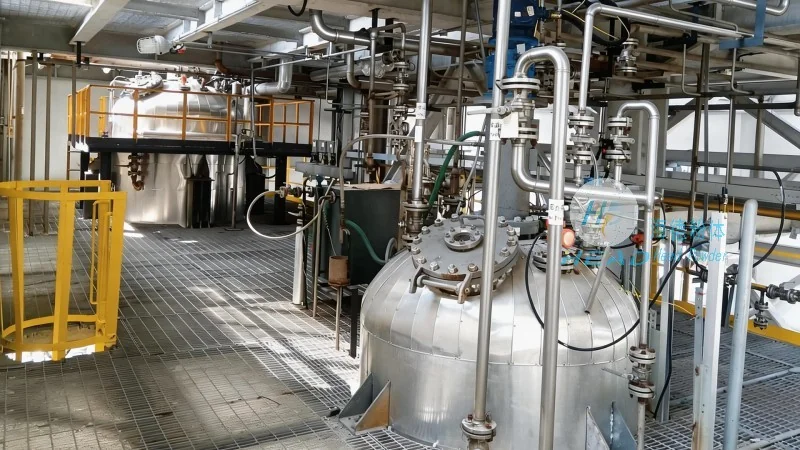
The heptahydrate magnesium sulfate material handling system is widely used in various industries, including pharmaceuticals, agriculture, and water treatment. In pharmaceutical applications, the system ensures the material is handled hygienically and in compliance with GMP (Good Manufacturing Practice) standards, maintaining product purity and quality. In agriculture, the system facilitates the distribution of magnesium sulfate as a fertilizer or soil amendment, ensuring even application and optimal nutrient delivery. In water treatment, the system helps in the processing of magnesium sulfate for industrial water treatment processes, improving water quality and efficiency. The benefits of this system include improved operational efficiency, reduced labor costs, enhanced product quality, and compliance with safety and environmental regulations.
Conclusion
In conclusion, a heptahydrate magnesium sulfate material handling system is a sophisticated and essential component in the industrial processing of this valuable chemical compound. By integrating advanced design principles, specialized equipment, and automation, the system ensures the safe, efficient, and reliable transportation of heptahydrate magnesium sulfate. The system's ability to handle the material's unique properties, control dust and moisture, and adhere to safety standards makes it a critical asset for companies operating in the magnesium sulfate industry. As the demand for heptahydrate magnesium sulfate continues to grow, the importance of a well-designed material handling system becomes increasingly evident, driving the need for continuous innovation and improvement in the field.