

What is a Sodium Stearate Powder Handling System Equipment? And What Are Its Design Principles?
Sodium stearate, a widely used surfactant and emulsifier, often requires efficient handling and transportation in industrial applications. The sodium stearate powder handling system equipment is a specialized solution designed to manage the flow, storage, and transfer of this fine powder. This equipment is crucial for maintaining product quality, ensuring safe operation, and optimizing production processes in various industries such as cosmetics, pharmaceuticals, and food processing.
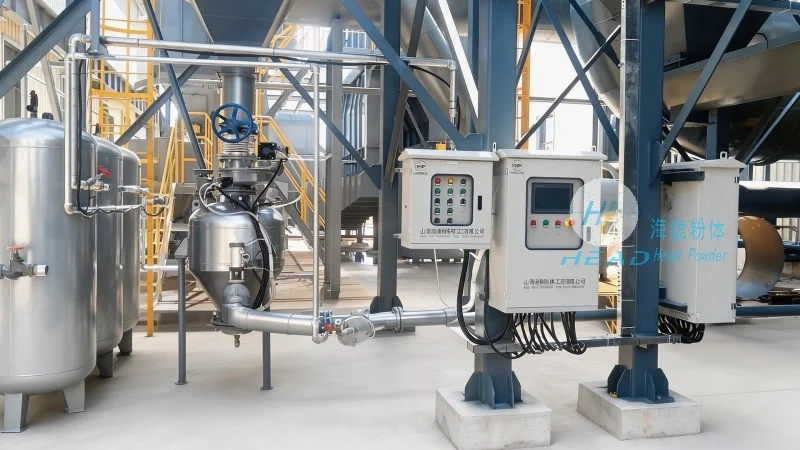
About HeadPowder: A Leading Provider of Powder Handling Solutions
HeadPowder, or Shandong HeadPowder Engineering Co., Ltd., is a reputable company based in Shandong, China, specializing in the design, manufacturing, and supply of advanced powder handling systems. With years of experience in the industry, HeadPowder has developed a strong reputation for delivering high-quality equipment tailored to meet the specific needs of clients. The company's commitment to innovation and customer satisfaction has made it a trusted partner for businesses seeking reliable solutions for their powder handling challenges.
Design Principles of the Sodium Stearate Powder Handling System
The design of a sodium stearate powder handling system equipment involves several key principles aimed at ensuring efficient and safe operation. First, the system must address the unique properties of sodium stearate, including its fine particle size, hygroscopic nature, and potential for dust generation. To mitigate these challenges, the equipment incorporates features such as sealed hoppers, airtight conveying mechanisms, and dust collection systems. The design also focuses on minimizing product degradation, preventing contamination, and ensuring consistent flow rates. Additionally, the system is engineered to comply with industry standards and regulations, ensuring safety and reliability in various operational environments.
Key Components and Features
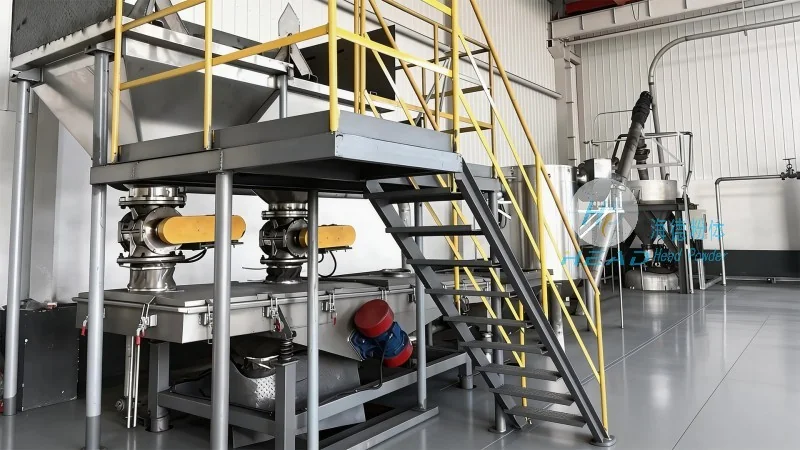
The sodium stearate powder handling system typically consists of several components that work together to achieve optimal performance. These include a hopper for storage, a feeder to control the flow rate, a conveyor system for transportation, and a dust collection unit to manage airborne particles. The hopper is often equipped with a discharge valve to regulate the release of powder, while the feeder may use a rotary valve or a vibratory feeder to maintain a consistent flow. The conveyor system can be a pneumatic or mechanical design, depending on the application requirements. The dust collection system is crucial for maintaining a clean and safe working environment, as sodium stearate powder can be a respiratory hazard if inhaled. Each component is carefully selected and integrated to ensure seamless operation and minimal downtime.
Applications and Benefits
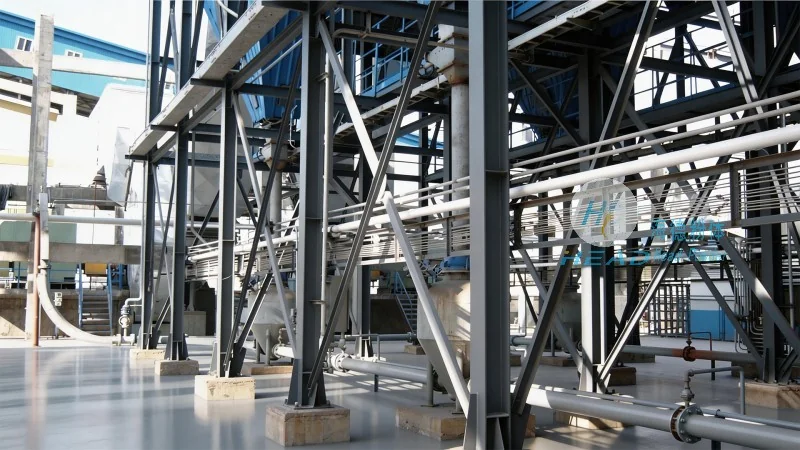
The sodium stearate powder handling system equipment is widely used in various industries due to its versatility and effectiveness. In the cosmetics industry, it is used for the production of soaps, shampoos, and other personal care products. In the pharmaceutical industry, it serves as an excipient in drug formulations, requiring precise handling to maintain product integrity. The food industry also utilizes sodium stearate in the production of baked goods and dairy products. The benefits of using this system include improved product quality, reduced waste, enhanced safety, and increased operational efficiency. By automating the powder handling process, businesses can achieve higher productivity and lower labor costs, making it a valuable investment for any company dealing with fine powders.
Conclusion
The sodium stearate powder handling system equipment, designed with advanced principles and components, plays a vital role in the efficient and safe management of this essential chemical. HeadPowder, with its expertise and commitment to quality, provides reliable solutions that meet the diverse needs of clients. By understanding the design principles and benefits of this equipment, businesses can optimize their operations and achieve better results in their respective industries. The continuous improvement in technology and design ensures that these systems will remain a critical component in the future of powder handling, supporting the growth and success of various sectors.