Steel and lime powder conveying systems are essential in industrial applications, particularly within the steel manufacturing sector. These systems are engineered to handle the transportation of bulk powders like steel dust and lime, which are critical raw materials or byproducts in steel production processes. The design of such systems involves a combination of mechanical components, control mechanisms, and material handling strategies to ensure efficient, safe, and reliable operation.
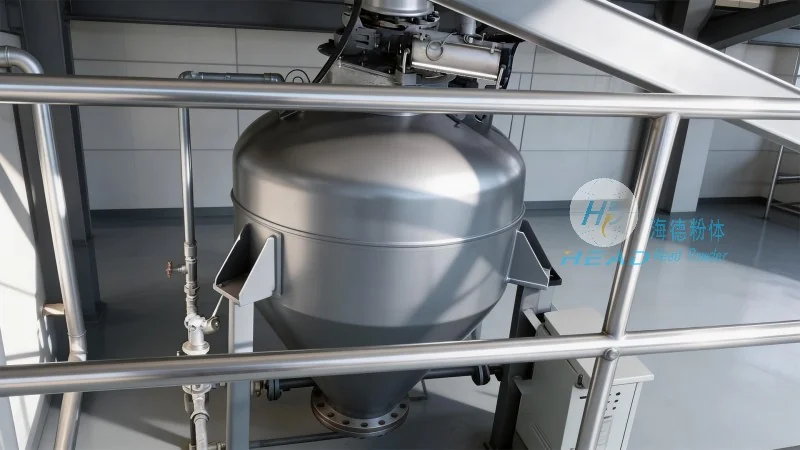
Overview of Steel and Lime Powder Conveying Systems
A steel and lime powder conveying system typically consists of several key components, including hoppers, feeders, conveying lines (such as pneumatic or mechanical conveyors), and control units. The system is designed to move powders from storage areas to processing units or waste management facilities. The choice of conveying method depends on factors like the material's properties, required throughput, and the distance to be covered. Pneumatic conveying systems, for instance, use air to transport powders, while mechanical systems rely on belts, screws, or buckets.
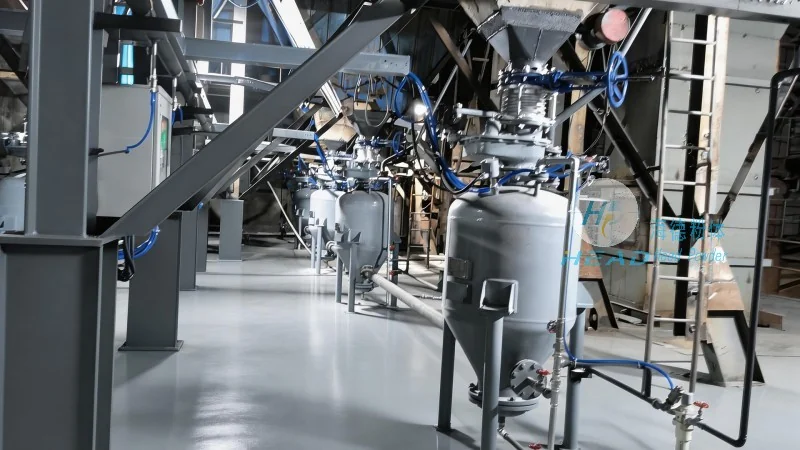
Design Principles for Efficient Powder Conveying
The design principles of a steel and lime powder conveying system focus on maximizing efficiency, minimizing material degradation, and ensuring safety. One critical principle is the prevention of material segregation and agglomeration, which can occur during handling. To address this, the system may incorporate features like agitators, vibration devices, or special hopper designs to maintain a uniform flow. Another key principle is the control of air flow and pressure in pneumatic systems to optimize material transport without causing excessive wear on components. Additionally, the system must be designed to handle the abrasive nature of steel dust and the caustic properties of lime, requiring durable materials like stainless steel or special coatings for components.
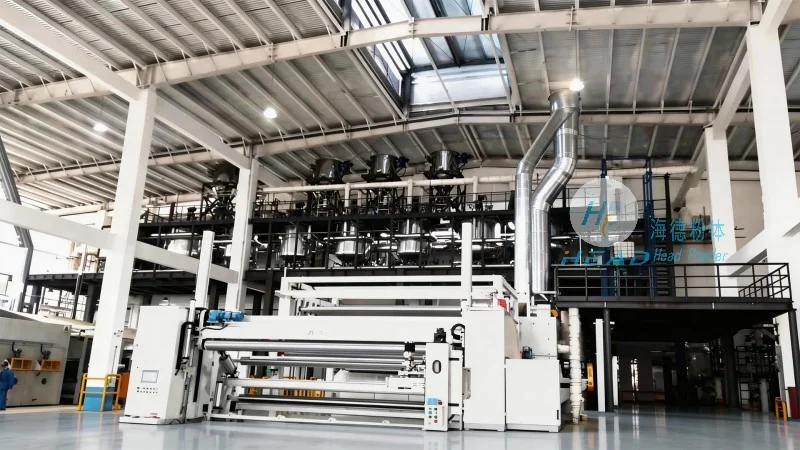
Components and Their Functions
Each component in a steel and lime powder conveying system plays a vital role in the overall operation. The hopper serves as the storage and feeding unit, ensuring a consistent supply of material to the feeder. The feeder, often a rotary or vibratory type, regulates the flow rate of the powder into the conveying line. The conveying line, whether pneumatic or mechanical, transports the material to the destination. Control units, including sensors and valves, monitor and adjust the system's parameters to maintain optimal performance. For example, pressure sensors in a pneumatic system can detect blockages or changes in flow, triggering alarms or adjustments to prevent system failure.
Application in Steel Manufacturing
In the steel industry, steel and lime powder conveying systems are used in various processes, such as desulfurization, dephosphorization, and waste treatment. Steel dust, a byproduct of steelmaking, is often collected and recycled using these systems. Lime, a common flux in steel production, is transported to reactors or storage areas. The efficiency of these systems directly impacts the productivity and cost-effectiveness of steel manufacturing operations. A well-designed system can reduce downtime, minimize material loss, and improve overall plant performance.
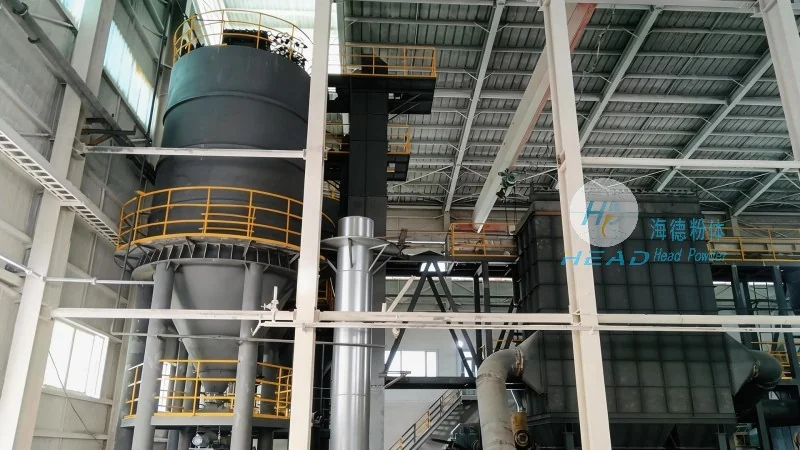
Advantages of Properly Engineered Conveying Systems
Implementing a properly engineered steel and lime powder conveying system offers several advantages. First, it enhances operational efficiency by ensuring a steady supply of materials, reducing the need for manual handling and associated risks. Second, it improves safety by minimizing exposure to dust and preventing accidents caused by material spills or blockages. Third, it reduces maintenance costs by using durable components and efficient control systems. Finally, it contributes to environmental compliance by ensuring proper handling and disposal of steel dust and lime, preventing pollution and regulatory issues.




