Understanding the nitrogen circulating pneumatic conveying system is crucial for industries that require efficient and safe material handling. This article explores the fundamental concepts of such systems, focusing on their design principles and operational mechanisms. By examining the core components and working processes, we can appreciate how these systems enhance productivity and safety in material transport.
Design Principle of Nitrogen Circulating Pneumatic Conveying Systems
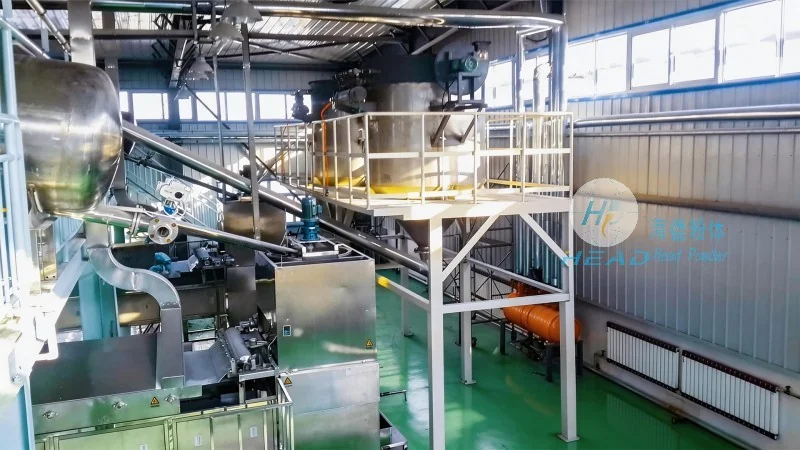
The design principle of a nitrogen circulating pneumatic conveying system revolves around the use of compressed nitrogen gas to transport bulk materials through a closed loop system. Unlike traditional pneumatic conveying systems that rely on ambient air, nitrogen circulation ensures a controlled environment, minimizing the risk of oxidation, contamination, or dust explosions. The system operates by generating a pressure differential that propels the material through the pipeline using the nitrogen gas as the conveying medium. This approach allows for the safe and efficient transfer of materials, especially those that are sensitive to air or require a sterile environment.
Key Components and Working Mechanism
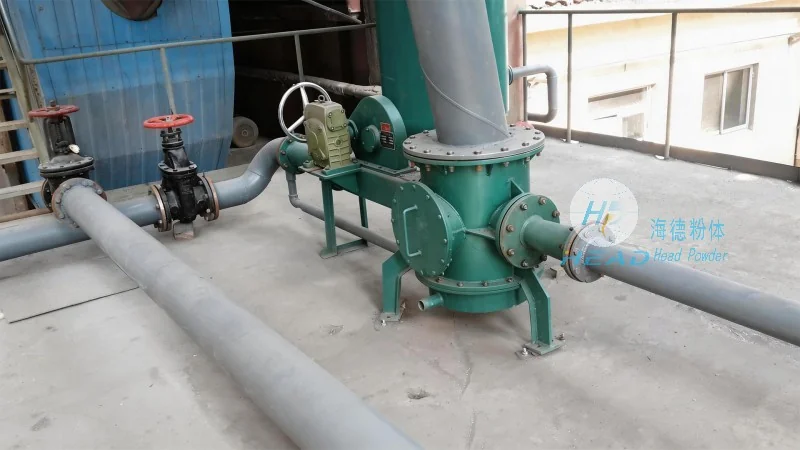
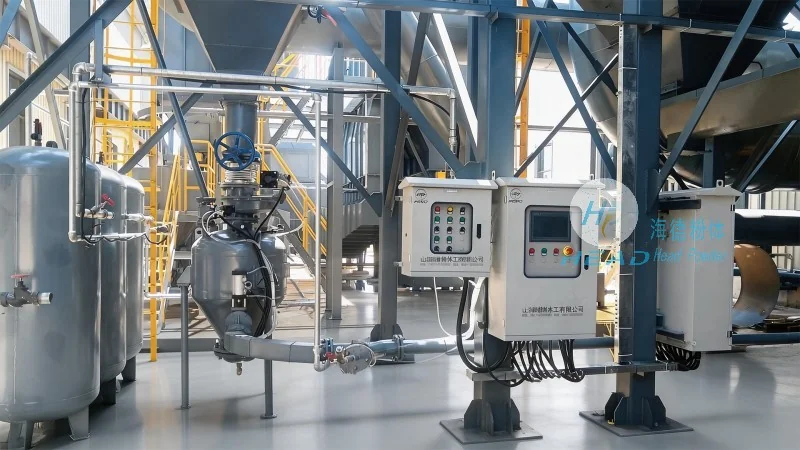
Several key components make up a nitrogen circulating pneumatic conveying system. The primary components include a nitrogen compressor, a material feeder, a conveying pipeline, a receiver, and a control system. The nitrogen compressor supplies the high-pressure nitrogen gas, which is then circulated through the system. The material feeder, such as a rotary valve or a screw feeder, introduces the bulk material into the pipeline. As the nitrogen gas flows, it creates a low-pressure zone that draws the material into the pipeline, forming a dense phase flow. The conveying pipeline transports the material from the feeder to the receiver, where it is collected. The control system monitors and regulates the pressure, flow rate, and material level to ensure optimal operation.
Application Scenarios and Benefits
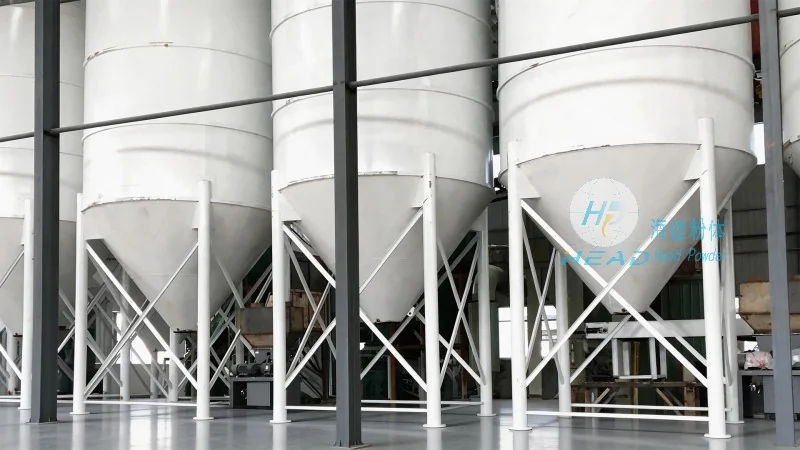
Nitrogen circulating pneumatic conveying systems are widely used in various industries, including pharmaceuticals, food processing, and chemical manufacturing. In pharmaceutical applications, the system ensures that sensitive drugs are transported in a sterile and oxygen-free environment, preventing contamination and degradation. In food processing, it maintains the quality of food products by avoiding exposure to air, which can cause spoilage or oxidation. The benefits of these systems include improved material handling efficiency, reduced labor costs, and enhanced safety by eliminating the risk of dust explosions. Additionally, the closed-loop design minimizes nitrogen gas consumption, making the system energy-efficient and cost-effective.
Company Profile: Shandong HeadPowder Engineering Co., Ltd.
Shandong HeadPowder Engineering Co., Ltd., based in Shandong, China, is a leading manufacturer of advanced material handling equipment. The company specializes in designing and manufacturing nitrogen circulating pneumatic conveying systems tailored to the specific needs of various industries. With a strong commitment to quality and innovation, HeadPowder provides reliable solutions that enhance operational efficiency and safety. The company's products are known for their durability, efficiency, and compliance with industry standards, making them a trusted choice for businesses seeking to optimize their material transport processes.




