

What is a Polypropylene Resin Powder Pneumatic Conveying System? And What Are Its Design Principles?
For businesses dealing with polypropylene resin powders, selecting the right material handling solution is crucial for operational efficiency and product integrity. A polypropylene resin powder pneumatic conveying system represents a sophisticated approach to transporting these materials, offering advantages over traditional methods like belt conveyors or bucket elevators. This article explores the fundamental aspects of such systems, focusing on their design principles and the expertise of Shandong HeadPowder Engineering Co., Ltd. in crafting tailored solutions.
Introduction to Polypropylene Resin Powder Pneumatic Conveying Systems
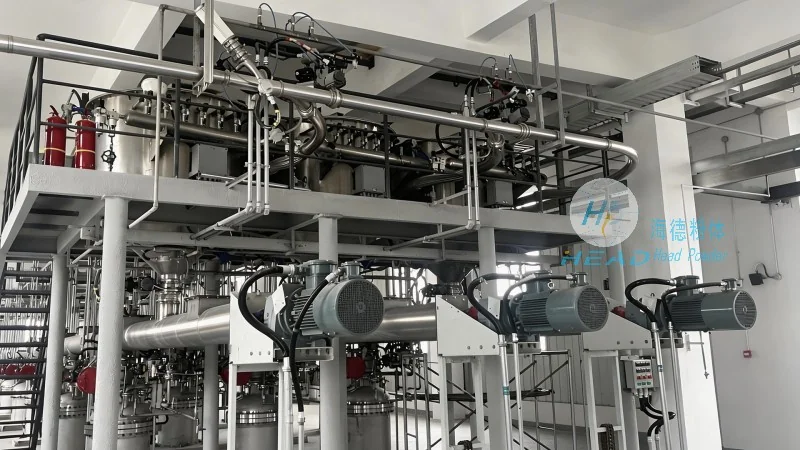
Pneumatic conveying systems utilize air or other gases to transport bulk materials, such as polypropylene resin powders, through a network of pipes. Unlike mechanical systems that rely on physical contact, pneumatic conveyors minimize product degradation, contamination, and dust generation. This makes them ideal for handling sensitive materials like polypropylene, which are prone to clumping or quality issues when exposed to friction or moisture. The system typically consists of a hopper for material storage, a conveyor line with appropriate ductwork, and a control system to regulate air flow and pressure. By leveraging air as the primary transport medium, these systems enable gentle, continuous movement of resin powders from one location to another, ensuring consistent quality and reducing labor costs associated with manual handling.
Understanding the Core Components of a Pneumatic Conveying System
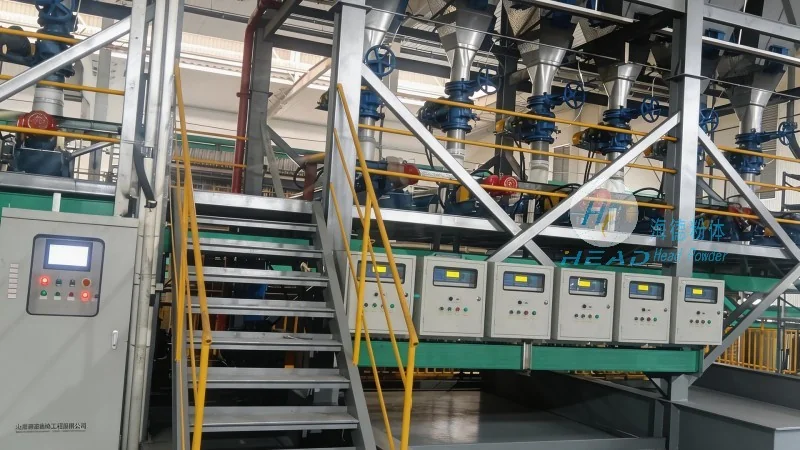
The effectiveness of a polypropylene resin powder pneumatic conveying system hinges on its key components, each designed to optimize material flow and system performance. The primary components include a material hopper, which serves as the storage and feeding unit, equipped with a discharge valve to control the flow of resin powder into the conveying line. The hopper is often fitted with a vibratory feeder or a rotary valve to ensure a steady, controlled release of material, preventing blockages and maintaining consistent air pressure. The conveying line itself comprises a series of pipes, typically made from materials like stainless steel or food-grade plastic, to withstand the corrosive nature of polypropylene powders and maintain hygiene standards. Air is supplied by a blower or compressor, which generates the necessary pressure to move the material through the system. The system may also include filters and cyclones to separate the conveyed material from the air stream, ensuring that the powder is collected efficiently and the air is cleaned before release. Additionally, a control panel manages the system's operations, allowing operators to adjust air pressure, flow rates, and feeding speeds to match production demands.
Design Principles for Efficient Polypropylene Resin Powder Handling
Designing an optimal polypropylene resin powder pneumatic conveying system involves several critical principles that balance efficiency, reliability, and cost-effectiveness. One key principle is the selection of the appropriate conveying method, which can be categorized as dilute-phase or dense-phase. Dilute-phase systems use low air-to-material ratios, resulting in high velocity and minimal pressure drops, suitable for short-distance transport. Dense-phase systems, on the other hand, use higher air-to-material ratios, creating a slurry-like flow that reduces material degradation and is ideal for longer distances or when handling more sensitive materials. For polypropylene resin powders, the choice often depends on the distance between the source and destination, as well as the required material quality. Another critical design principle is the consideration of system pressure and air flow rates. Properly calculating the required air pressure ensures that the material moves smoothly without causing excessive wear on components or generating excessive noise. Air flow rates must be optimized to prevent clogging and maintain consistent material transport, as insufficient air can lead to blockages, while excessive air can increase energy consumption and reduce system efficiency. The system's layout, including the number and angle of bends in the ductwork, also plays a significant role in maintaining consistent air velocity and preventing material accumulation. Properly designed bends with smooth transitions minimize pressure losses and ensure that the polypropylene resin powder flows evenly through the system. Furthermore, the integration of cleaning and maintenance features is essential for long-term system performance. Regular cleaning of the hopper, ducts, and filters prevents material buildup and ensures that the system operates at peak efficiency. The use of self-cleaning filters and easy-to-access maintenance points simplifies routine upkeep, reducing downtime and extending the system's lifespan.
The Role of HeadPowder in Engineering Customized Solutions
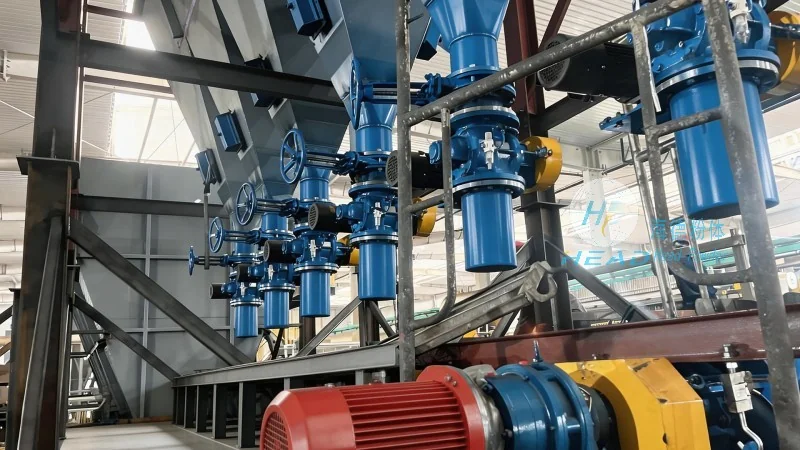
Shandong HeadPowder Engineering Co., Ltd., a leading provider of material handling solutions, specializes in designing and manufacturing polypropylene resin powder pneumatic conveying systems tailored to specific industrial needs. With years of experience in the field, HeadPowder understands the unique challenges associated with handling polypropylene powders, such as their tendency to clump or degrade under certain conditions. The company's engineers work closely with clients to assess their operational requirements, including material flow rates, distance, and environmental constraints, to develop a customized system that meets their exact specifications. HeadPowder's expertise lies in integrating advanced technology with practical design, ensuring that the final system is not only efficient but also cost-effective and easy to maintain. The company's commitment to quality is evident in its use of high-grade materials for components like hoppers, ducts, and filters, which are designed to withstand the corrosive and abrasive nature of polypropylene powders. Additionally, HeadPowder provides comprehensive support, including system installation, training for operators, and ongoing maintenance services, ensuring that clients can maximize the benefits of their investment. By leveraging its deep understanding of pneumatic conveying principles and the specific requirements of polypropylene resin powders, HeadPowder delivers solutions that enhance productivity, improve product quality, and reduce operational costs for its clients.
Key Considerations for Implementing a Pneumatic Conveying Line
When implementing a polypropylene resin powder pneumatic conveying line, several factors must be carefully evaluated to ensure successful integration and long-term performance. First, the material characteristics of the polypropylene resin powder must be thoroughly analyzed. This includes assessing the particle size distribution, moisture content, and flowability, as these properties directly impact the system's design. For example, powders with high moisture content may require additional drying steps or specialized materials to prevent clogging and maintain air quality. Second, the operational environment must be considered, including the available space for installation and the need for dust control measures. Pneumatic conveying systems can generate significant dust, which may require the installation of dust collection systems or the use of sealed components to comply with environmental regulations. Third, the budget and maintenance requirements must be evaluated. While pneumatic systems offer long-term cost savings by reducing labor and material waste, the initial investment can be higher than traditional mechanical systems. However, the lower maintenance costs and longer lifespan of pneumatic systems often offset this initial expense. Finally, the scalability of the system should be considered. As production needs grow, the conveying system should be able to accommodate increased material flow rates without requiring major modifications. HeadPowder's expertise in system design allows clients to plan for future expansion, ensuring that their investment remains relevant and effective as their business evolves.