

Principle of Vinyl Ester Resin Pneumatic Conveying Equipment
For industrial applications requiring efficient and reliable material handling, the vinyl ester resin pneumatic conveying system stands out as a sophisticated solution. This equipment is designed to transport vinyl ester resin powders or granules through an air-driven system, combining the benefits of low maintenance, high efficiency, and adaptability to various production environments. Understanding the underlying principles of this technology is crucial for optimizing its performance and ensuring seamless integration into manufacturing processes.
Pneumatic Conveying Fundamentals
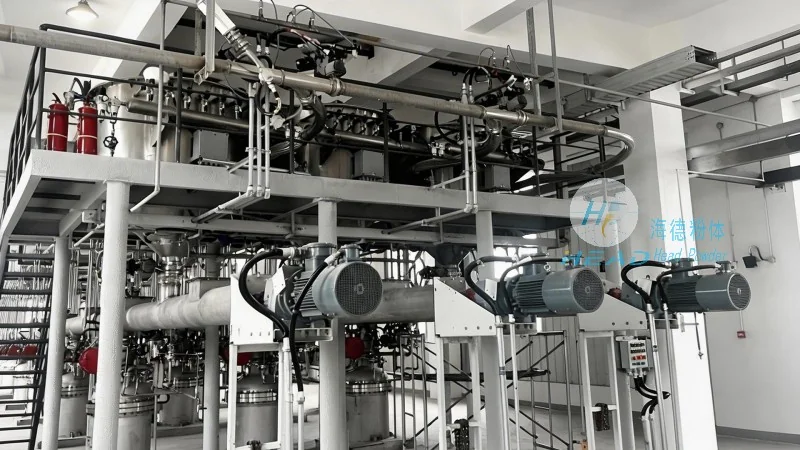
The core of the vinyl ester resin pneumatic conveying equipment lies in the air flow mechanism that propels the resin particles. The system typically operates on either pressure or vacuum principles. In pressure systems, compressed air is introduced into the conveying line, creating a pressure differential that moves the resin. Conversely, vacuum systems use a vacuum pump to draw the resin from the source to the destination. The choice between pressure and vacuum depends on factors such as the distance of transport, the material's properties, and the desired flow rate. The vinyl ester resin, known for its excellent chemical resistance and mechanical strength, is particularly suited for applications involving aggressive chemicals or harsh environments, making the pneumatic conveying system an ideal choice for handling such materials.
Key Components and Their Functions
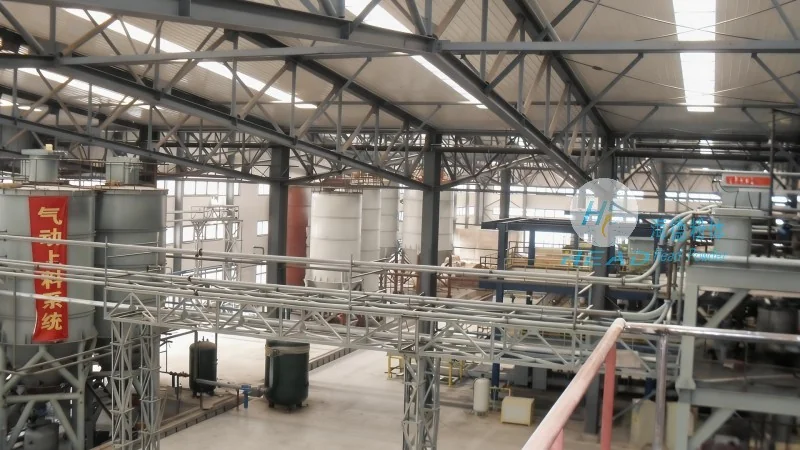
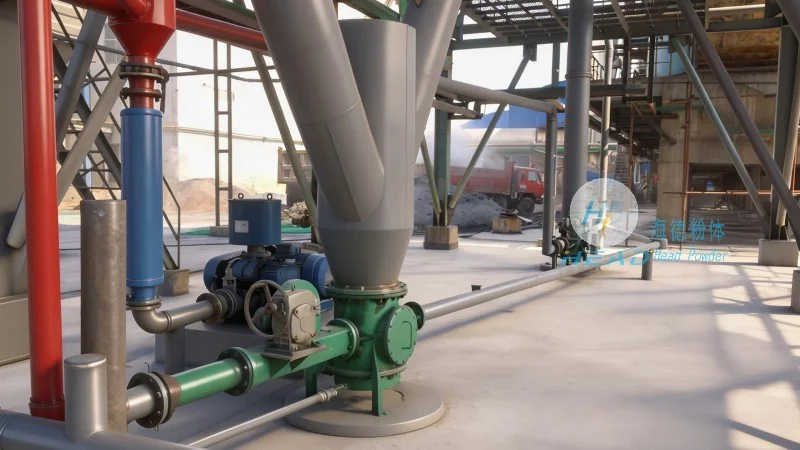
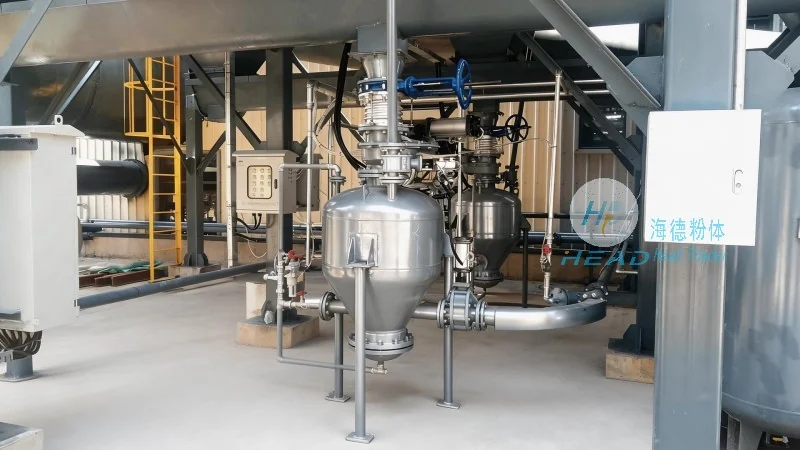
The vinyl ester resin pneumatic conveying equipment comprises several critical components, each playing a vital role in the overall operation. The hopper or feed hopper is the starting point, where the resin is stored and fed into the system. The feeder, often a rotary valve or a screw feeder, controls the flow rate of the resin, ensuring a consistent and controlled input. The conveying line, usually made of stainless steel or other corrosion-resistant materials, transports the resin and air mixture. The air compressor or vacuum pump provides the necessary pressure or vacuum to drive the material. The filter or cyclone separator is essential for cleaning the air and recovering any resin particles that may have escaped the conveying line. Finally, the discharge hopper or collection bin receives the resin at the end of the process. Each component must be carefully selected and maintained to ensure the system operates efficiently and reliably, minimizing downtime and maximizing productivity.
Advantages of Vinyl Ester Resin Pneumatic Conveying
Compared to traditional mechanical conveying methods, the vinyl ester resin pneumatic conveying system offers several advantages. Firstly, it eliminates the need for moving parts in the conveying line, reducing wear and tear and maintenance costs. The air-driven system also allows for flexible routing, enabling the resin to be transported to multiple destinations from a single source. This flexibility is particularly beneficial in complex manufacturing setups where space is limited or where the production layout may change over time. Secondly, the system provides excellent control over the flow rate, allowing for precise dosing of the resin in downstream processes. This is critical for applications such as resin mixing, where the exact amount of vinyl ester resin is essential for achieving the desired properties. Additionally, the system is highly effective in handling fine powders or granules, preventing clogging and ensuring a smooth flow. The corrosion resistance of the vinyl ester resin, combined with the air-driven mechanism, makes the system suitable for handling materials that are sensitive to moisture or other environmental factors.
Application Scenarios
The vinyl ester resin pneumatic conveying equipment is widely used in various industries, including chemical manufacturing, aerospace, and marine construction. In chemical plants, it is used to transport vinyl ester resin for the production of fiberglass-reinforced composites, which are used in tanks, pipes, and other equipment requiring high chemical resistance. In the aerospace industry, the resin is used to manufacture components such as aircraft parts and structural panels, where the high strength and durability of the resin are critical. The marine industry also utilizes this system to transport vinyl ester resin for the construction of boat hulls and other marine structures, where the resin's resistance to saltwater and UV radiation is essential. The system's ability to handle fine powders and its adaptability to different production environments make it a versatile solution for a wide range of applications.
About Shandong HeadPowder Engineering Co., Ltd.
HeadPowder, the manufacturer of the vinyl ester resin pneumatic conveying equipment, is a leading company in the field of industrial material handling solutions. With its headquarters in Shandong, China, HeadPowder has established itself as a trusted provider of high-quality equipment and services. The company specializes in the design, manufacturing, and installation of pneumatic conveying systems tailored to the specific needs of its clients. HeadPowder's team of experienced engineers and technicians ensures that each system is carefully designed and manufactured to meet the highest standards of quality and performance. The company's commitment to innovation and customer satisfaction has earned it a reputation for reliability and excellence in the industry. HeadPowder provides comprehensive support, including installation, training, and maintenance services, to ensure that its clients can maximize the benefits of their equipment and achieve their production goals.
Technical Support and Maintenance
HeadPowder understands that the performance of the vinyl ester resin pneumatic conveying equipment is directly related to its proper maintenance. The company offers a range of maintenance services to ensure that the system operates at optimal levels. Regular inspections of the components, such as the air compressor, filter, and conveying line, are conducted to identify and address any potential issues before they become major problems. The company's technicians are trained to handle all aspects of the equipment, from routine maintenance to major repairs. HeadPowder also provides technical support to its clients, offering guidance on system operation, troubleshooting, and optimization. By working closely with its clients, HeadPowder ensures that the equipment remains in good condition and continues to deliver high performance, minimizing downtime and maximizing productivity. The company's commitment to customer support and technical expertise makes it a preferred choice for businesses seeking reliable and efficient material handling solutions.