

What is PP Pellet Pneumatic Conveying? An Introduction to the Working Principle of Powder Handling S
Pneumatic conveying systems have become essential in various industrial applications, particularly for handling bulk materials like polypropylene (PP) pellets. These systems utilize air or other gases to transport solid particles through a pipeline, offering a flexible and efficient method for material transfer. Understanding the working principle of such systems is crucial for optimizing performance and ensuring reliable operation in manufacturing processes.
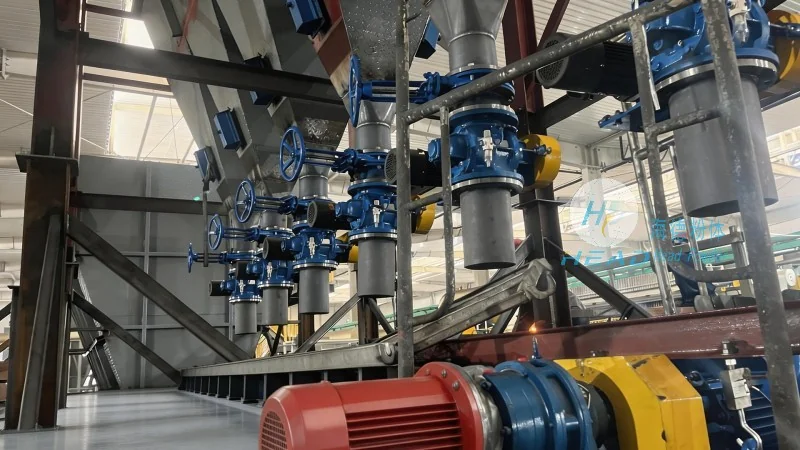
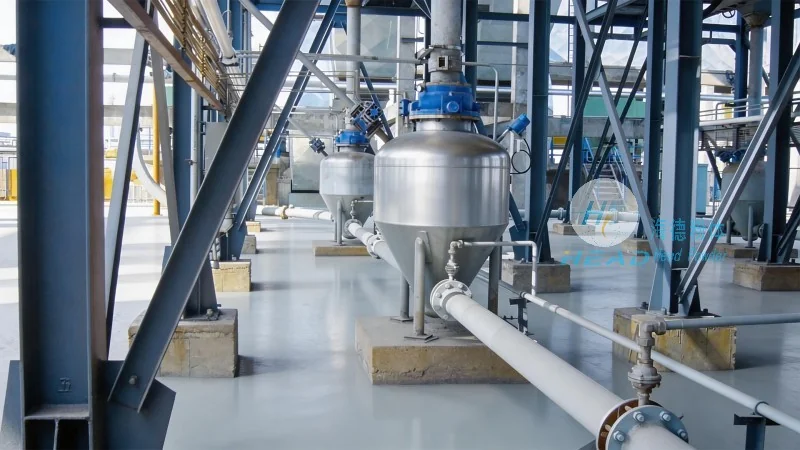
The process of PP pellet pneumatic conveying involves several key components and steps. At its core, the system relies on the creation of a pressure differential or vacuum to move the material. The primary components include a hopper for material storage, a feeder to control the flow rate, a conveying line (usually made of metal or plastic), and a receiver for the discharged material. The system may also incorporate a blower or compressor to generate the necessary air flow, and a filter to capture any fine particles that might be carried along with the material.
Types of Pneumatic Conveying Systems for PP Pellets
The working principle can be categorized into two main types: pressure and vacuum systems. In pressure systems, the conveying line is maintained at a higher pressure than the ambient air, and the material is pushed through the line by the pressurized air. This method is suitable for long-distance or high-volume transport. Conversely, vacuum systems create a lower pressure in the conveying line compared to the surroundings, drawing the material into the line using suction. Vacuum systems are often preferred for shorter distances or when the material needs to be transported from multiple sources.
For PP pellets, the choice of system depends on factors such as the material's characteristics, the distance to be covered, and the required flow rate. PP pellets are lightweight and can be easily suspended in air, making them well-suited for pneumatic transport. However, their low density and potential for static charge require careful consideration in system design to prevent material buildup or blockages.
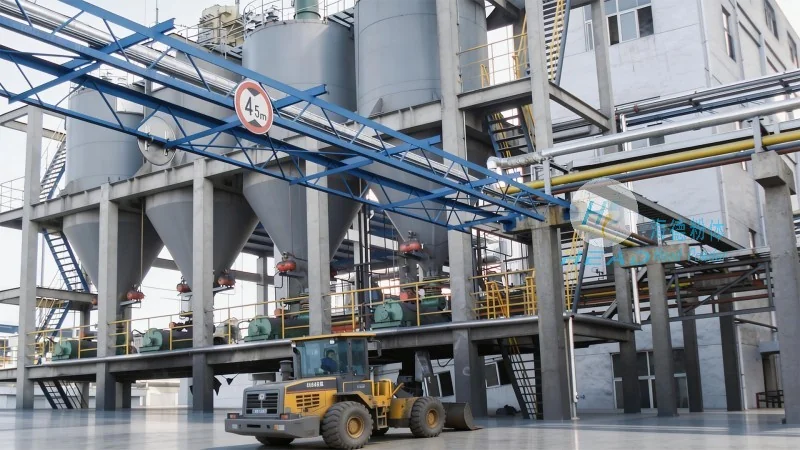
Key Components of a PP Pellet Pneumatic Conveying System
The hopper plays a critical role in ensuring a consistent material feed. It is typically equipped with a rotary valve or a screw feeder to regulate the flow, preventing overfilling and maintaining a steady supply to the conveying line. The feeder's design must account for the material's flow properties, such as angle of repose and cohesion, to avoid bridging or rat-holing.
The conveying line is designed to withstand the pressure or vacuum conditions and the abrasive nature of PP pellets. Materials like stainless steel or high-density polyethylene are commonly used to prevent corrosion and wear. The line's diameter and length are optimized to minimize pressure drop and energy consumption, ensuring efficient transport.
At the receiving end, a receiver or silo collects the conveyed material. It may include a dust collection system to capture any fines and prevent environmental contamination. The receiver is often equipped with a discharge valve to control the material release, matching the downstream process requirements.
Energy Efficiency and System Maintenance
Energy efficiency is a key consideration in pneumatic conveying systems. The blower or compressor must be sized appropriately to provide sufficient air flow without excessive energy consumption. Variable frequency drives (VFDs) can be used to adjust the air flow rate based on the material demand, reducing energy waste during low-load periods.
Maintenance of the system is essential for long-term reliability. Regular cleaning of the hopper, feeder, and conveying line is necessary to prevent material accumulation and blockages. The filter system must be checked and replaced as needed to maintain air quality and prevent system failure. Additionally, the blower or compressor should be inspected for wear and tear, and lubricated as per the manufacturer's recommendations.
Role of Shandong HeadPowder Engineering Co., Ltd. in PP Pellet Pneumatic Conveying Solutions
Companies like Shandong HeadPowder Engineering Co., Ltd., based in China, specialize in designing and implementing customized pneumatic conveying systems tailored to the specific needs of industries handling PP pellets. With years of experience, they provide comprehensive solutions that integrate advanced technology and robust engineering to ensure efficient material transport, minimal downtime, and optimal performance. Their expertise in material handling and system design helps clients achieve cost-effective and reliable operations in their production processes.
In conclusion, PP pellet pneumatic conveying is a versatile and efficient method for handling bulk materials. By understanding the working principles and system components, manufacturers can optimize their operations, improve material flow, and enhance overall productivity. The expertise of companies like Shandong HeadPowder Engineering Co., Ltd. plays a vital role in designing and implementing these systems to meet the specific needs of various industries.