

Types, Features, and Applications of Metal Particle Pneumatic Conveying
Metal particle pneumatic conveying is a critical technology in material handling, particularly for transporting metal powders and granules efficiently. This method involves using air or gas to move particles through a pipeline, offering advantages over traditional mechanical conveying systems. The technology is widely adopted across various industries due to its flexibility, cleanliness, and ability to handle a wide range of metal materials.
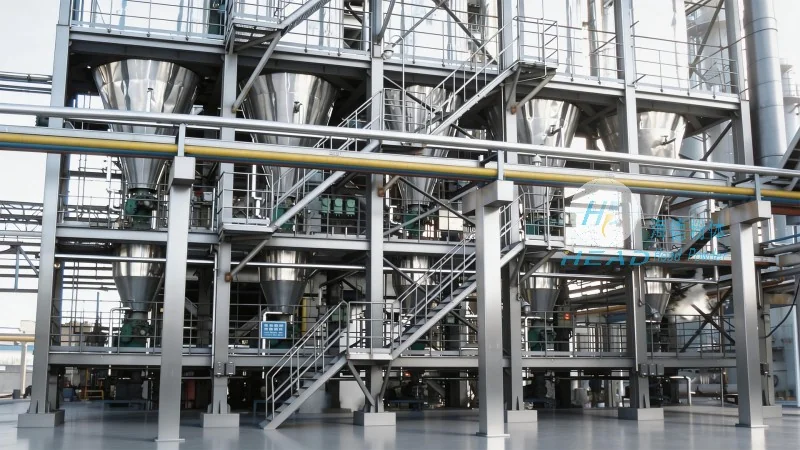
Types of Metal Particle Pneumatic Conveying Systems
There are primarily two main types of metal particle pneumatic conveying systems: pressure and vacuum systems. Pressure systems use compressed air to push the material through the pipeline, while vacuum systems use a vacuum to draw the material. Each type has distinct characteristics and is suitable for different operational conditions and material properties.
Pressure systems are often preferred for long-distance or high-volume conveying, as they can maintain consistent pressure and flow rates. They are particularly effective for handling abrasive or corrosive metal powders. Vacuum systems, on the other hand, are ideal for short-distance conveying or when the material needs to be collected from multiple points. They are commonly used in applications where the material is sensitive to pressure or where the conveying distance is limited.
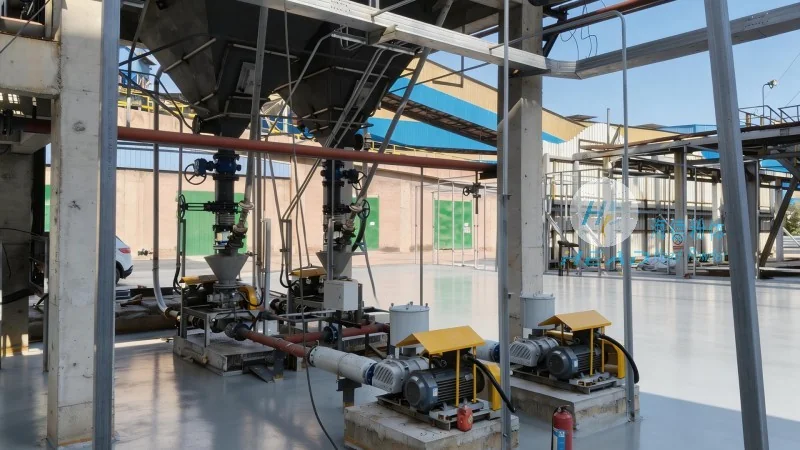
Key Features of Metal Particle Pneumatic Conveying
Several key features make metal particle pneumatic conveying an attractive option for industrial applications. One of the most significant advantages is its ability to handle fine or cohesive metal powders without clogging the system. The enclosed pipeline design ensures that the material remains clean and free from contamination, which is crucial for high-purity metal applications such as pharmaceuticals or electronics.
Another important feature is the system's flexibility. Pneumatic conveying systems can be easily integrated with other processing equipment, such as mixers, classifiers, or reactors. This integration allows for seamless material flow from one stage to the next, improving overall process efficiency. Additionally, the system can handle varying particle sizes and shapes, making it versatile for different metal processing needs.
Energy efficiency is also a notable feature. Compared to mechanical conveying systems, pneumatic conveying can reduce energy consumption, especially for long-distance or high-volume operations. The use of compressed air or vacuum can be optimized to minimize energy use while maintaining optimal conveying performance. This makes the technology cost-effective and environmentally friendly.
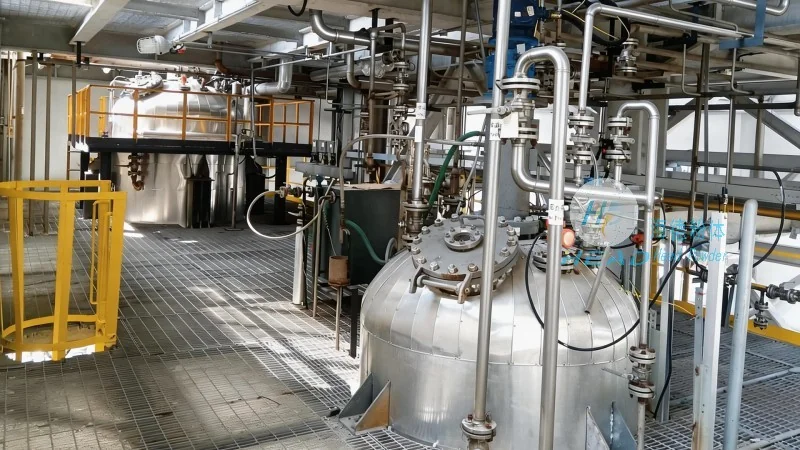
Application Ranges of Metal Particle Pneumatic Conveying
Metal particle pneumatic conveying is widely used across various industries due to its adaptability. In the metal processing industry, it is commonly used for transporting metal powders used in powder metallurgy, such as aluminum, copper, and steel powders. These powders are often used in the production of metal parts through sintering or other manufacturing processes.
In the chemical industry, the technology is applied for conveying metal-based catalysts or pigments. These materials are often sensitive to moisture or air exposure, and the enclosed system of pneumatic conveying helps maintain their quality and stability. The system can also handle corrosive or reactive metal powders, ensuring safe and efficient transport.
In the food and pharmaceutical industries, metal particle pneumatic conveying is used for transporting metal powders that are used as additives or ingredients. The clean and enclosed system ensures that the material remains free from contamination, meeting the stringent quality standards required in these sectors. This is particularly important for metal powders used in food supplements or pharmaceutical formulations.
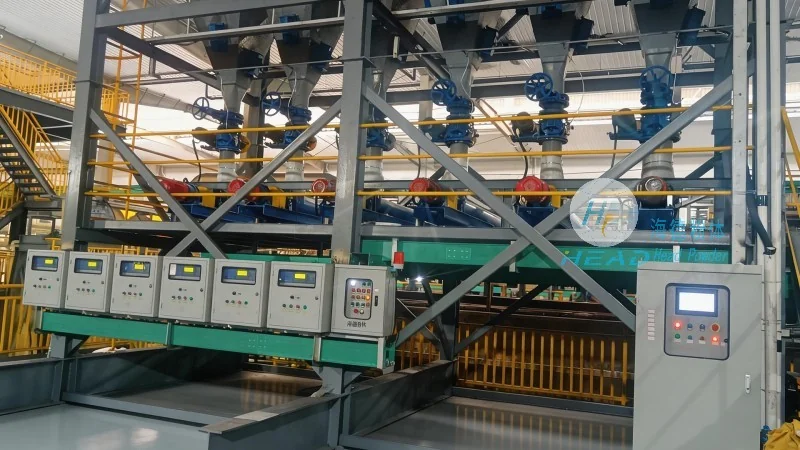
Other applications include the handling of metal powders in the aerospace and automotive industries. For example, in the production of aerospace components, metal powders are used in additive manufacturing processes. Pneumatic conveying systems can efficiently transport these powders to the 3D printers or other processing equipment, ensuring consistent material supply and quality.
About Shandong HeadPowder Engineering Co., Ltd.
Shandong HeadPowder Engineering Co., Ltd., operating under the brand name headpowder, specializes in the design, manufacturing, and installation of advanced metal particle pneumatic conveying systems. With a focus on innovation and quality, the company provides customized solutions tailored to the specific needs of its clients. Headpowder's expertise lies in developing efficient and reliable conveying systems that meet the highest industry standards. The company's facilities are located in Shandong, China, where it leverages local resources and expertise to deliver top-tier products and services to the global market.