

Types, Characteristics, and Applications of Cement Particle Pneumatic Conveying
Understanding the various types, key characteristics, and practical applications of cement particle pneumatic conveying is essential for industries relying on efficient material handling solutions. This article provides a comprehensive overview, focusing on the different methods used to transport cement particles through air, along with their specific advantages and typical use cases.
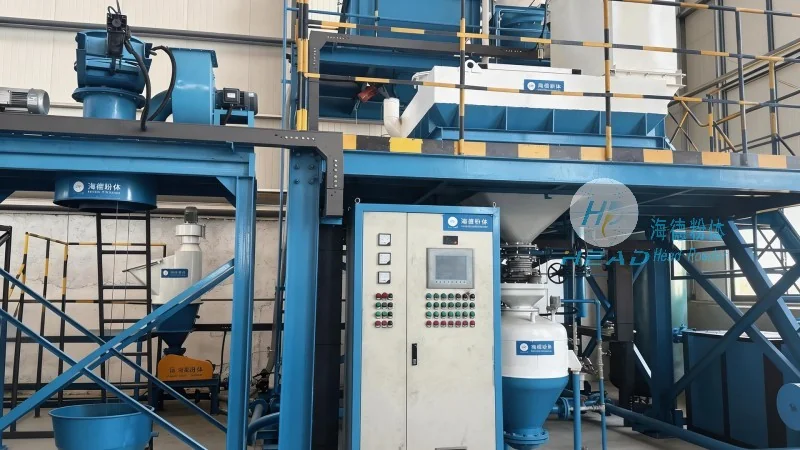
Pneumatic Conveying Types for Cement Particles
There are primarily two main categories of pneumatic conveying systems for cement particles: dilute-phase and dense-phase systems. Each type operates on distinct principles and is suited to different operational requirements.
Dilute-Phase Pneumatic Conveying
Dilute-phase systems, also known as low-pressure or vacuum systems, transport cement particles in a relatively low concentration within the air stream. This method is ideal for short to medium-distance applications and is commonly used in industries where the material needs to be conveyed from a central storage point to processing units. The key characteristic of dilute-phase conveying is its ability to handle high flow rates with minimal pressure drops, making it suitable for large-scale cement handling operations. The system typically operates at pressures ranging from atmospheric to slightly above, using fans or blowers to create the necessary airflow. This approach is particularly effective for conveying fine cement powders over distances of up to several hundred meters, ensuring consistent and reliable material transport without significant particle degradation.
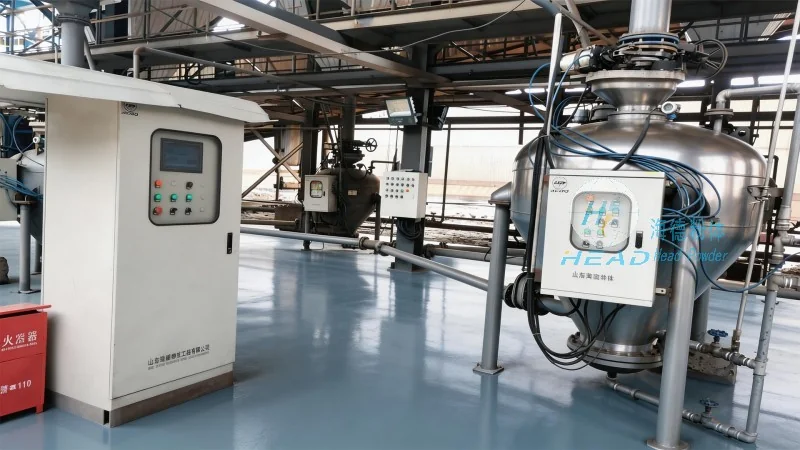
Dense-Phase Pneumatic Conveying
In contrast, dense-phase systems transport cement particles in a higher concentration, often at higher pressures. These systems are designed for longer distances and are particularly useful when transporting cement through pipelines that may have bends or obstacles. The primary advantage of dense-phase conveying is its ability to maintain a more stable flow, reducing the risk of particle segregation and ensuring a consistent delivery of cement to the destination. This method is often employed in applications where the material must be delivered to specific locations with precise control over flow rates and pressure. Dense-phase systems typically operate at pressures ranging from 5 to 15 bar, utilizing positive displacement blowers or compressors to achieve the necessary pressure levels. The higher pressure allows for the transportation of cement over longer distances, often exceeding 1 kilometer, while maintaining the integrity of the cement particles and minimizing the risk of blockages or system inefficiencies.
Key Characteristics of Cement Particle Pneumatic Conveying
Regardless of the specific type, cement particle pneumatic conveying systems share several important characteristics that contribute to their effectiveness and reliability. One of the most significant advantages is the ability to handle fine, dusty materials without the need for additional equipment such as conveyors or elevators. This reduces the risk of material degradation and contamination, which is critical in cement processing where particle size and purity directly impact the final product quality. Another key characteristic is the system's flexibility in terms of layout and installation. Pneumatic conveying systems can be easily integrated into existing production lines, allowing for modular expansion and adaptation to changing operational needs. The use of air as the conveying medium also minimizes the need for mechanical components like belts or chains, reducing maintenance requirements and extending the service life of the equipment. Furthermore, these systems are generally more energy-efficient compared to traditional methods, as they can achieve higher material throughput with lower power consumption, making them a cost-effective solution for large-scale cement handling.
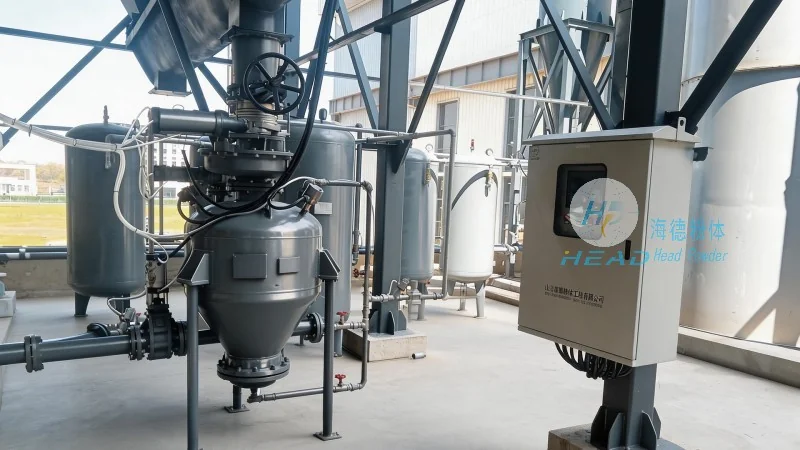
Application Ranges of Cement Particle Pneumatic Conveying
The application ranges of cement particle pneumatic conveying systems are diverse and cover a wide array of industrial processes. In the cement manufacturing industry, these systems are commonly used to transport raw materials such as limestone, clay, and iron ore from storage silos to the grinding mills. This ensures a continuous and efficient supply of raw materials, which is crucial for maintaining production rates and product consistency. Additionally, pneumatic conveying is widely used in the delivery of finished cement products from the production plant to distribution centers or construction sites. This method allows for the safe and efficient transportation of large quantities of cement, reducing the need for manual handling and minimizing the risk of spills or accidents. Beyond the cement industry, pneumatic conveying systems are also employed in other sectors where fine powders need to be transported, such as in the chemical, pharmaceutical, and food processing industries. For example, in the chemical industry, these systems are used to convey various powders and granules, including additives and raw materials, ensuring a consistent supply for manufacturing processes. In the pharmaceutical industry, pneumatic conveying is utilized to transport active ingredients and other fine powders, maintaining strict hygiene and contamination control standards. The versatility of cement particle pneumatic conveying makes it a valuable solution across multiple industries, supporting efficient material handling and process optimization.
Conclusion
In summary, the types, characteristics, and applications of cement particle pneumatic conveying systems offer significant benefits for industries requiring reliable and efficient material handling solutions. Whether using dilute-phase or dense-phase systems, these methods provide a flexible and effective means of transporting cement particles over various distances and in different operational conditions. The key characteristics, including the ability to handle fine materials, minimize degradation, and reduce maintenance, make pneumatic conveying an attractive option for large-scale cement processing and distribution. As industries continue to seek more efficient and sustainable solutions, the application of cement particle pneumatic conveying is likely to expand, supporting the growth and development of the cement and related industries.